
How Tradition and Progress Coexist in Country Music
Country music star Kelsea Ballerini publicly supported fellow artist Stella Lefty following a recent social media interaction involving the Grand Ole Opry. Ballerini’s comments came in response to an Instagram post by the historic venue that sparked debate among fans and artists about inclusivity and tradition in country music. The exchange took place online after the Opry shared content that drew criticism from some quarters, prompting Ballerini to speak out in defense of Lefty’s artistic expression and the evolving nature of the genre.
Culture picks
 Katt Williams' Viral Exit and Arena Fills Signal a New Era in Comedy
 Marc Jacobs and Disney Launch Retro Ski-Themed Mickey Mouse Kids Collection
 James McAvoy Pitched a Star Trek Prequel to Solve a Picard Mystery
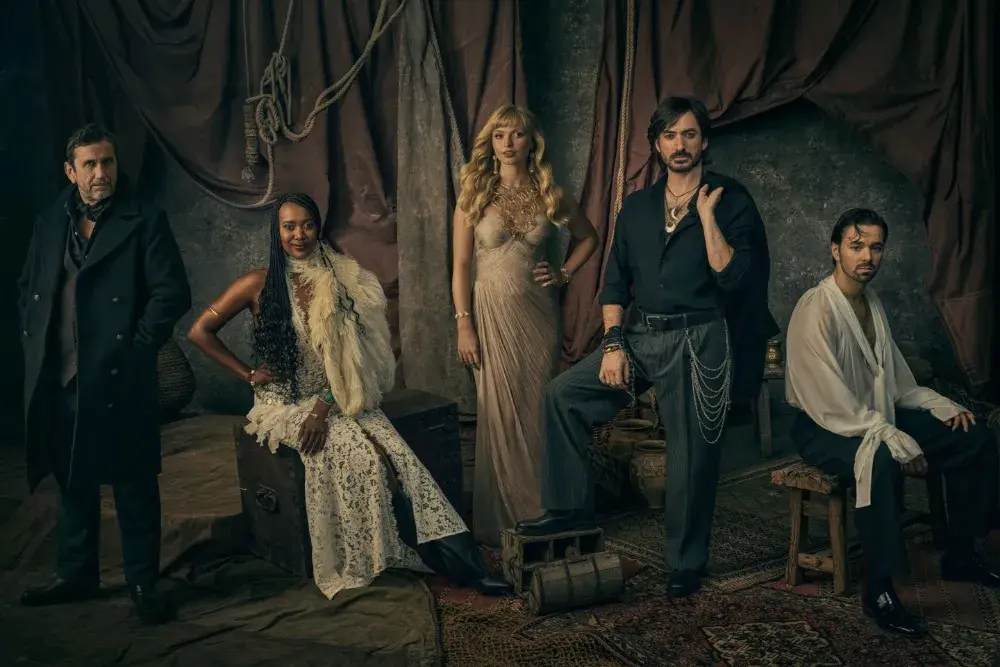 Secret Cinema Extends London Run For Pirates of the Caribbean
Ballerini emphasized that the Grand Ole Opry has long served as a cornerstone of country music while also adapting to reflect changing times and diverse voices. She argued that celebrating music „as the Opry does” means honoring its legacy without excluding artists who push creative boundaries. Her remarks highlighted the tension between preserving institutional traditions and embracing innovation within the country music community, particularly as younger and more diverse artists seek recognition on established platforms.
What Does It Mean to Celebrate Music Like the Opry?
The singer pointed to the Opry’s own history of featuring groundbreaking acts as evidence that the institution can uphold its roots while welcoming new perspectives. Ballerini noted that artists like Stella Lefty contribute to the genre’s vitality by bringing fresh sounds and stories that resonate with modern audiences. She stressed that criticism of such artists often stems from resistance to change rather than any lack of musical merit, and urged fans and institutions alike to consider what makes country music relevant today.
Ballerini questioned whether true celebration of the Opry’s spirit involves rigid adherence to past norms or active encouragement of artistic evolution. She suggested that the venue’s enduring strength lies in its ability to balance reverence for history with openness to innovation. By defending Lefty, Ballerini positioned herself as an advocate for a more inclusive vision of country music—one where legacy and progress are not mutually exclusive but mutually reinforcing.
Why did Kelsea Ballerini defend Stella Lefty? Ballerini defended Lefty after perceiving criticism directed at the artist following a Grand Ole Opry social media post, arguing that such feedback undermined the Opry’s own tradition of embracing evolving musical voices.
Frequently Asked Questions
What did Ballerini say about the Grand Ole Opry’s role? She stated that the Opry celebrates music in a way that honors its legacy while adapting to contemporary artists, and that this balance should include supporters of innovative acts like Stella Lefty.
How does this reflect broader trends in country music? The exchange highlights ongoing discussions about inclusivity and change within the genre, as established institutions navigate pressures to remain relevant while honoring their historical significance.