How Bot Streams Skewed the Spotify Chart
A Kalshi user alleges that a song by Malcolm Todd was artificially boosted on Spotify’s charts using streaming bots, allowing the trader to profit from a prediction market bet on the platform. The accusation surfaced in early June, and a WIRED investigation confirmed that bot streams altered the song’s ranking, though the source of the bots remains uncertain.
Culture picks
 Riza and Pablo Alborán unveil „Deditos Cruzados,” born at Billboard Latin Music Week
 SZA Praises Hayley Williams' Live Performance of Live Love Galore
 Abadi Al Johar: Five Decades Shaping Saudi Music
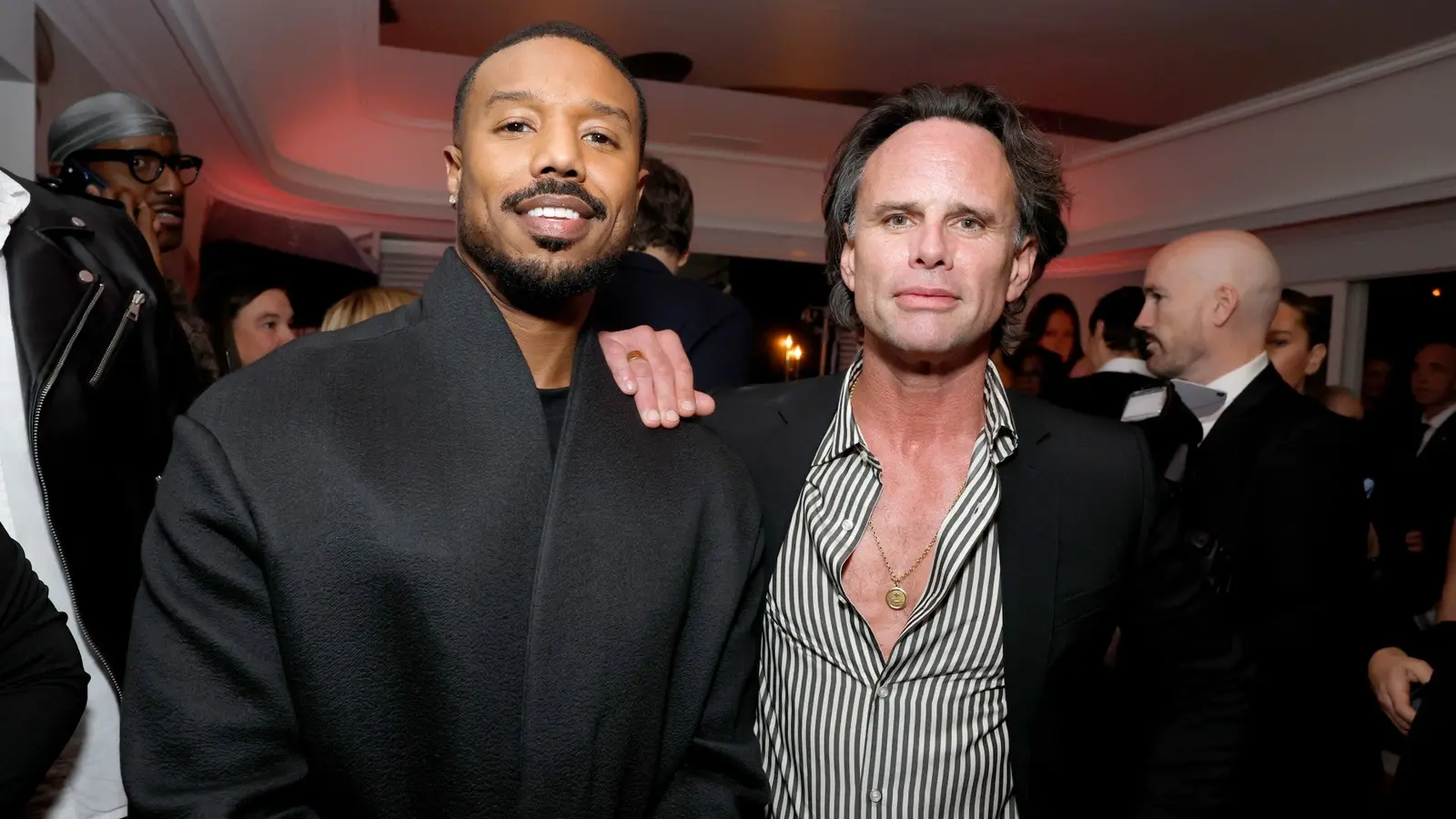 Walton Goggins to Star as Villain in Upcoming Miami Vice '85 Revival
The trader says the inflated chart position was used to trigger a lucrative outcome on Kalshi’s music‑prediction market, where participants wager on streaming performance. By inflating plays, the trader could meet the bet’s conditions and collect the payout. Kalshi, a regulated U. S. exchange for event contracts, has not yet commented on whether its users coordinated the bot activity or if the manipulation originated elsewhere.
Spotify’s algorithm ranks songs based on a combination of streams, user engagement, and playlist placements. When bots generate thousands of artificial streams, the algorithm registers the activity as genuine popularity, pushing the track higher on curated and algorithmic playlists. The WIRED report traced a sudden surge in plays for Todd’s track, noting a spike that far exceeded typical growth patterns for emerging artists. This surge coincided with the opening of a Kalshi contract that paid out if the song reached a specific chart threshold within a set period.
Did Kalshi Traders Orchestrate the Fake Streams?
Industry analysts warn that such manipulation undermines the integrity of both music charts and prediction markets. „When artificial streams feed into market bets, it creates a feedback loop that rewards dishonest behavior,” said a digital‑media researcher familiar with the case. The trader’s claim suggests a coordinated effort to exploit this loop, but no direct evidence links Kalshi participants to the bot network.
Kalshi’s platform allows users to create and trade contracts on a wide range of outcomes, including music‑streaming milestones. The question remains whether the trader acted alone or coordinated with other market participants to deploy the bots. Kalshi’s compliance team has launched an internal review, focusing on transaction logs and communication channels for signs of collusion. So far, the exchange has not disclosed any disciplinary actions, and regulators have not opened a formal inquiry.
If the investigation confirms that traders deliberately used bots, Kalshi could face sanctions from the Commodity Futures Trading Commission, which oversees prediction markets. The incident also raises broader concerns about the vulnerability of streaming platforms to manipulation, prompting calls for stricter verification of play counts and more transparent reporting mechanisms.
Frequently Asked Questions
What is Kalshi’s music‑prediction market? Kalshi offers contracts that pay out if a song reaches predefined streaming or chart milestones within a set timeframe. Traders buy or sell these contracts based on their expectations of the song’s performance.
How do streaming bots affect Spotify rankings? Bots generate artificial plays that Spotify’s algorithm counts as legitimate streams. A large volume of such plays can artificially inflate a song’s popularity, moving it up charts and playlists.
What actions are being taken against the alleged manipulation? Kalshi has initiated an internal compliance review, while Spotify is reportedly enhancing its detection tools. Regulators may become involved if evidence shows coordinated market abuse.