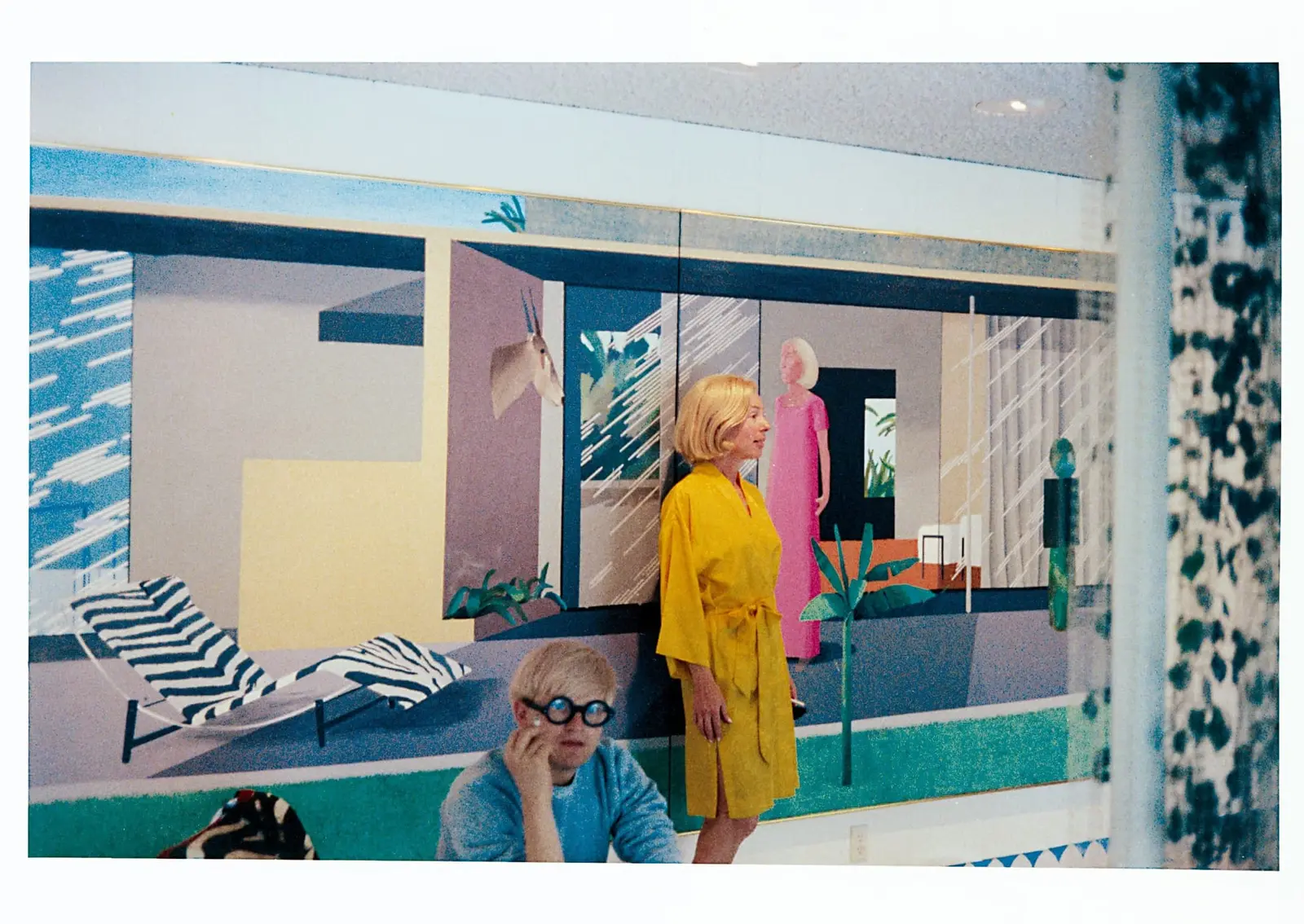
A Window into 1960s Wealth and Style
In the summer of 1966, British artist David Hockney began painting „Beverly Hills Housewife,” a portrait of arts patron Betty Freeman. The work depicts Freeman on her garden patio, framed by blue sky and green lawn.
Culture picks
 Crew Member Dies on Set of Netflix's „Dept. Q” Season 2
 Jamie Dornan Faces Pressure to Match Viggo Mortensen in New Lord of the Rings Film
 Avengers: Doomsday poised to dethrone Spider-Man: Brand New Day at the box office
 Ryan Phillippe's Two-Part Action Thrillers Dominate Paramount+ For Weeks
The painting features sleek modernist architecture and status symbols, including a William Turnbull sculpture. Hockney’s brushwork is bold and colorful, reflecting the vibrant energy of mid-century Los Angeles.
The portrait serves as a cultural snapshot of postwar American affluence. Freeman’s home represents the modernist aesthetic that defined Beverly Hills in the 1960s. Hockney captured not just a person, but an era of optimism and material comfort.
Why This Painting Still Resonates Today
Art critics note that the painting’s composition emphasizes space and light. The strips of sky and lawn create a sense of openness, contrasting with the structured lines of the house. This visual balance makes the work feel both intimate and expansive.
Decades later, „Beverly Hills Housewife” remains a reference point for studying Hockney’s early American period. It illustrates how art can document social change. The painting’s enduring appeal lies in its honest depiction of a specific moment in time.
Collectors and museums continue to study the work for its technical mastery and cultural significance. It stands as a testament to Hockney’s ability to blend personal portraiture with broader social commentary.
Frequently Asked Questions
When did Hockney paint this work? Hockney began the painting in the summer of 1966. The piece was completed during his formative years in Los Angeles.
Who is the subject of the portrait? The subject is Betty Freeman, a prominent arts patron living in Beverly Hills. Her home and garden setting are central to the composition.
What makes this painting historically significant? It captures the aesthetic and social dynamics of 1960s Beverly Hills. The work is valued for its vibrant colors and modernist influences.