From Songwriter to Executive
The road to the top of a major label is rarely linear. Lewis began in Atlanta studios, not boardrooms. His creative background proved essential to his business approach. „When I walked into the company building, I realized my songwriting career and the success I achieved was a true miracle,”he explains. He was fascinated by how music moves through corporate structures, finding a new calling to guide creators through the music industry.
Culture picks
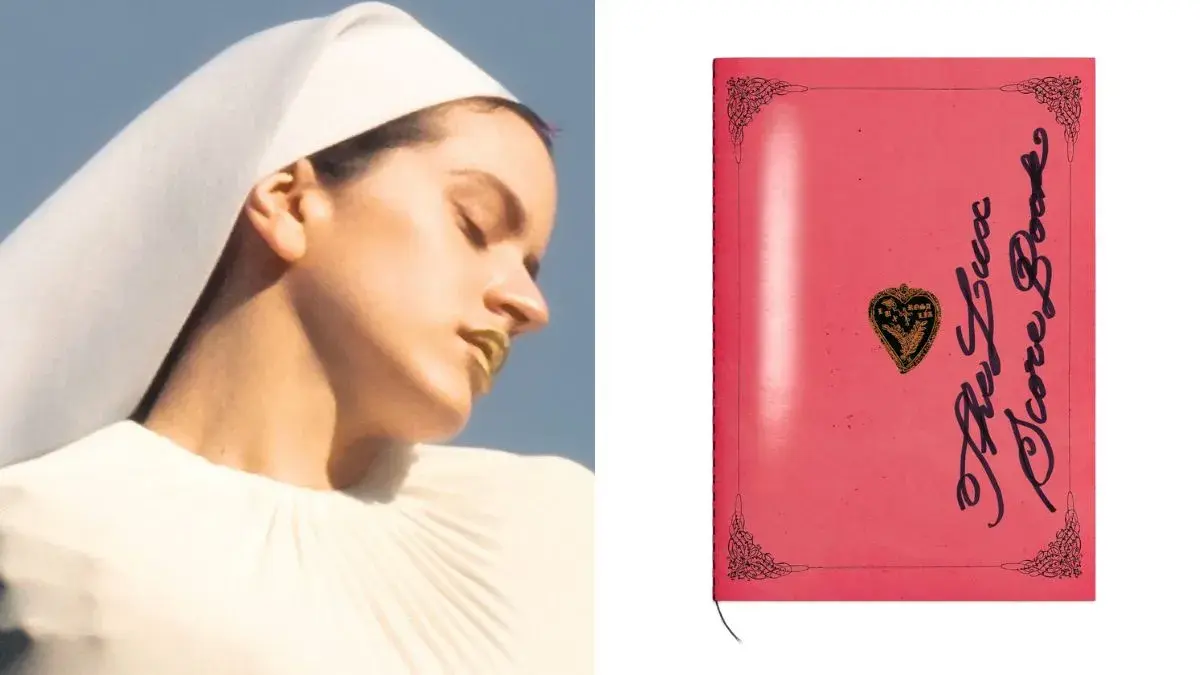 Rosalía's LUX Scorebook Sells Out in Europe in Under an Hour
 Wildwood 4K Steelbook Now Available for Pre-Order
 Jennifer Lawrence Sparks Controversy Over „Team Jeremiah” Comments on Summer Romance Series
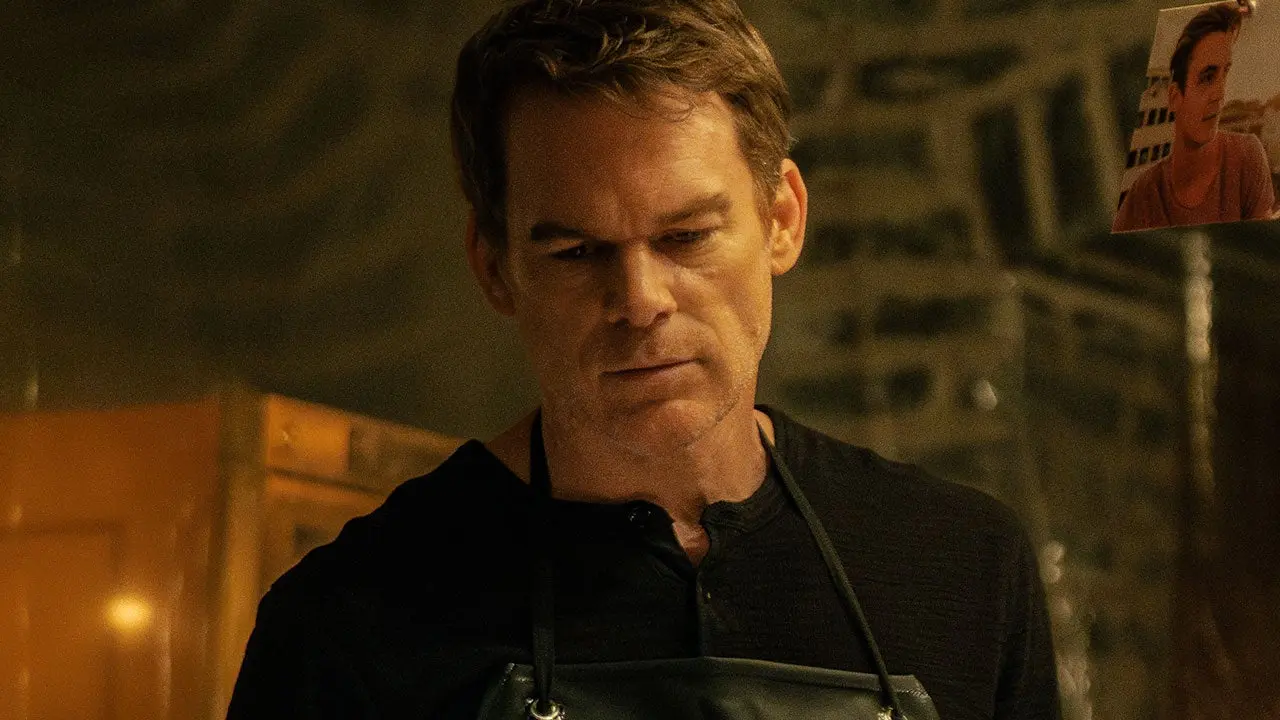 Dexter Returns for a Second Round of Resurrection
Before reaching the top, Lewis built his own publishing house, Bar Music Group. He then joined Motown Records' A&R department. He climbed the ranks until 2018, when he left as Senior Vice President of A&R. There, he worked with legendary executive Sylvia Rhone. She taught him to be „meticulous, not to get drunk, and not to take no for an answer.”When Rhone moved to Sony Music's Epic Records, she recruited Lewis to identify the next generation of talent.
The Motown Years
As Lewis advanced at Epic, he played a key role in shaping careers of artists like 21 Savage, Madison Beer, BIA, Black Eyed Peas, DDG, Future, GIVĒON, Zara Larsson, Mariah the Scientist, Travis Scott, Southside, Meghan Trainor, and Tyla. When Rhone retired in 2025, succession rumors swirled. In March, it was officially confirmed that Lewis was named CEO and President of Epic.
In the latest episode of Billboard On the Record, sponsored by ASCAP, Lewis discusses managing a successful brand in 2026. He talks about his A&R approach and how his songwriting career shaped his leadership. The episode is available on YouTube and other streaming platforms. An edited excerpt from the conversation follows.
Leading Epic
You've built your entire music career in A&R. Historically, this role was often held by creative people. We remember George Martin, producer and A&R head for The Beatles, as an iconic example. Today, however, A&R is more data-oriented and usually not held by creatives. Why have we abandoned creative experience in A&R? I don't accept that. I hear many people saying the A&R job has changed, and I think: ' Actually, it hasn't.' I believe the A&R role has always been, and will always be, to creatively direct and collaborate with the artist on the musical direction, reach, taste, and feel of a project. I don't think it has changed. Obviously, people put research in the A&R box, but research is something else. A&R is something else.
Structuring the Department Now that you lead Epic, how do you structure the A&R department, given your philosophy?
On the Record
There is a research aspect in A&R and then what I call recording production A&R. There are two different aspects, and we engage with artists where needed. Each artist needs different things. Established artists like Future might just want your opinion on something, maybe you help them clean up the tracklist, or maybe they ask for advice. Travis Scott — another example where he is a force in himself — but, for instance, for the Jack Boys project, he actually asked for my help to bring Tyla to one of those recordings. So it's a light touch. It depends on what artists need, and some need much more.„ Collaborating with Artists ”How do you navigate this? You don't want to offer an artist stepping in and taking control of their project. You have to be invited, and upon invitation, you must add value.
What is a project where you feel you worked shoulder-to-shoulder with the artist, helping them shape their music? It has to be Tyla. Obviously, it started with signing her from Johannesburg and then cultivating every aspect of the creation process for her first album and even her second.„ The Factor X ”In Tyla's case, you signed her on Zoom during the pandemic. When you courted her to sign with Epic, could you still see she had the X factor through the screen? Absolutely. And that is the hardest aspect to articulate in the A&R process, which is the start of the process. It's the intangible nature of that X factor you describe in words, but absolutely, you could see immediately that she would be someone important.„ TikTok and Discovery ”Don't underestimate how much TikTok and short-form video have changed the rules for promoting albums.
Defining A&R
Before TikTok, there were still ports a brand could sound for breaking a song — Spotify playlist curators, DJs, press. Then TikTok comes and everything becomes algorithm-driven discovery. How much can one study the algorithm, it is ultimately unintelligible. How do you think this change has impacted what a record label can offer an artist?„ Creating Opportunity ”I always say our job, both in A&R and as a team in general, is to create opportunities where magic can happen. And you want to put the artist in a space where their best parts can be highlighted. Then, at that point, if the right people see it, you can trigger the algorithm... because you created the environment where that magic could happen. In Tyla's case, it was when she performed in Rwanda.
We supported her with tourism support and other things at that time, and she was able to be there and came up with this brilliant idea to pour water on her back while performing the song.