The Macklemore Controversy and Its Ripple Effects
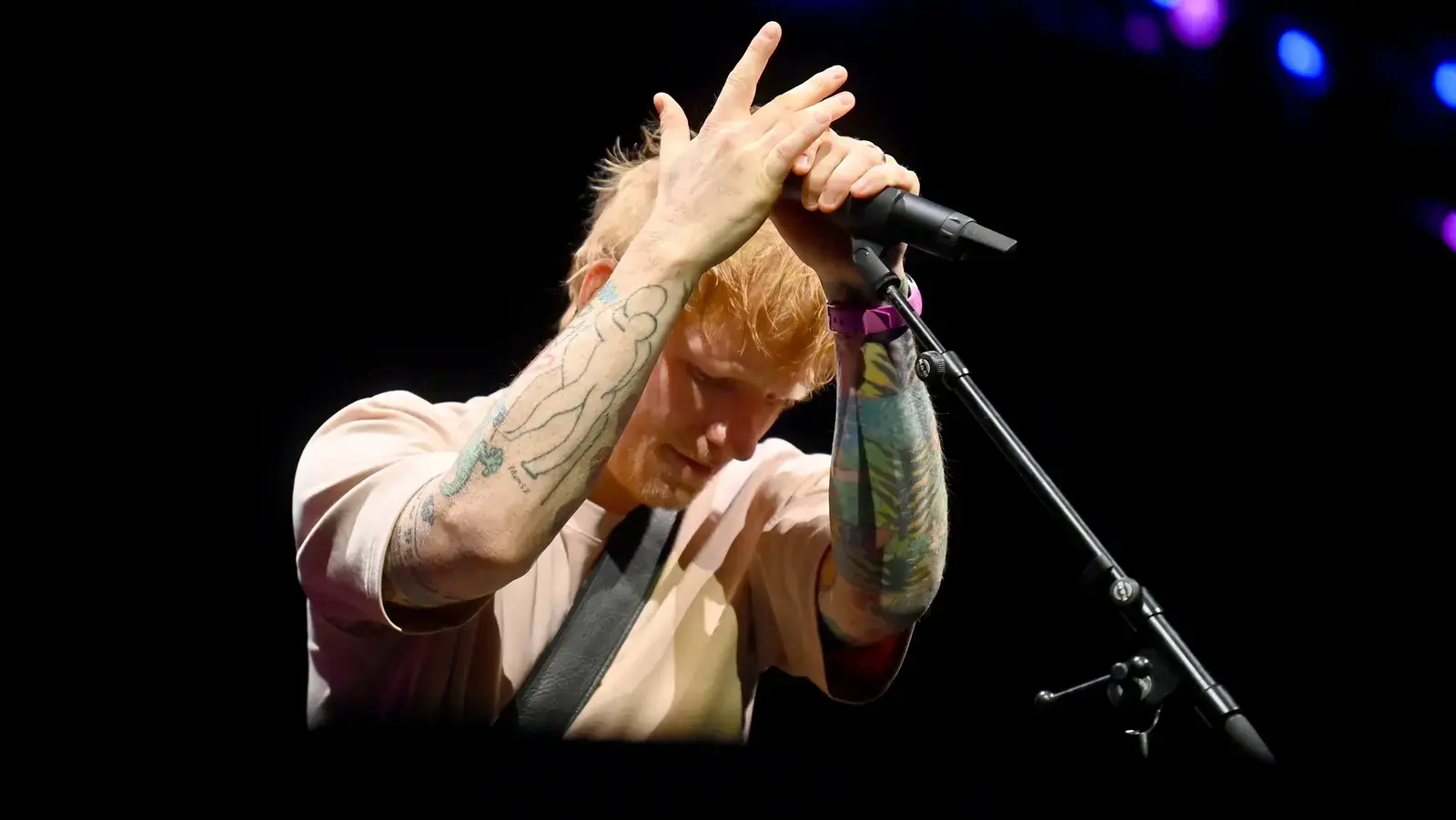
Ed Sheeran performed in Philadelphia on Saturday as part of his Loop Tour, drawing a crowd that included a group of pro‑Palestine protesters. The event took place at Lincoln Financial Field, a venue known for its large capacity and lively atmosphere. The artist's return to the city sparked controversy, especially after his decision to remove Macklemore from the tour following backlash over the rapper's onstage comments about Palestine.
Culture picks
 StarCraft Reboot Shifts to Open-World Third-Person Action in 2030
 39 Years Since a Cartoon Sparked an Animation Revolution
 Naomi Watts Honors David Lynch with Donostia Award at San Sebastian Film Festival
 Melissa Barrera Comments on Macklemore Receiving Support After Ed Sheeran Tour Cancellation
The protest unfolded as Sheeran took the stage, with demonstrators holding signs and chanting slogans. The crowd’s reaction was intense, leading to a tense moment before the performance began. Sheeran responded with a brief, profanity‑laden statement directed at the protesters, a move that drew media attention and sparked debate about the role of musicians in political discourse. The incident added to the growing scrutiny of artists who engage in activism or face pressure from fans and sponsors.
Macklemore had been scheduled to join Sheeran on the Loop Tour, but his inclusion was cut short after he made remarks about Palestine that many fans found offensive. The backlash forced Sheeran’s management to drop the rapper from the tour. The decision was not only a response to public outcry but also a reflection of the complex relationship between celebrity, politics, and commercial interests. The removal of Macklemore set a precedent, prompting other artists to reconsider their touring partners and the political statements they make.
How Protesters Influenced the Concert Experience
The fallout from this decision reached Philadelphia, where the city’s diverse population and history of activism made it a focal point for protest. The demonstrators’ presence at the concert highlighted the broader conversation about artists’ responsibilities and the limits of free expression. While some praised Sheeran for standing by his principles, others criticized his handling of the situation, arguing that he should have addressed the concerns more calmly.
The protest disrupted the usual flow of the event. Security staff had to manage the crowd, and some fans were unable to see the stage for a brief period. The atmosphere shifted from a typical concert to a more confrontational setting. Despite the tension, Sheeran completed his set, delivering several of his popular hits and engaging with the audience. The incident forced the venue to re‑evaluate its security protocols for future shows, especially those that might attract politically active crowds.
The protest also sparked discussions on social media, with fans sharing videos of the confrontation. Some posts highlighted the artist’s frustration, while others called for a more respectful dialogue. The conversation extended beyond the concert, influencing how other performers plan their tours and interact with their audiences.
The outcome of the protest remains uncertain. While it has raised awareness about the political dimensions of music tours, it has also highlighted the challenges artists face when navigating public opinion. The incident may lead to tighter security measures and clearer policies regarding political content in future shows.
Frequently Asked Questions
Why did Macklemore leave the Loop Tour? Macklemore was removed after making remarks about Palestine that drew strong backlash from fans and sponsors. The decision was a response to the controversy surrounding his comments.
What was Ed Sheeran’s reaction to the protest? Sheeran responded with a brief, profanity‑filled statement aimed at the protesters. He later apologized for the disruption and emphasized the importance of respectful dialogue.
Will the protest affect future tours? The incident is likely to prompt tighter security and clearer policies on political statements. Artists may also become more cautious about the content they share during performances.