
Why These Films Still Resonate Today
The Walt Disney Animation Studios golden era produced timeless classics that continue to captivate generations, with Bambi standing as a pinnacle achievement in animated storytelling. Released during a transformative period for the studio, these films established narrative and artistic benchmarks that influence animation today. Critics and audiences alike revisit these works for their emotional depth and technical innovation, which remain remarkably relevant nearly a century after their creation.
Culture picks
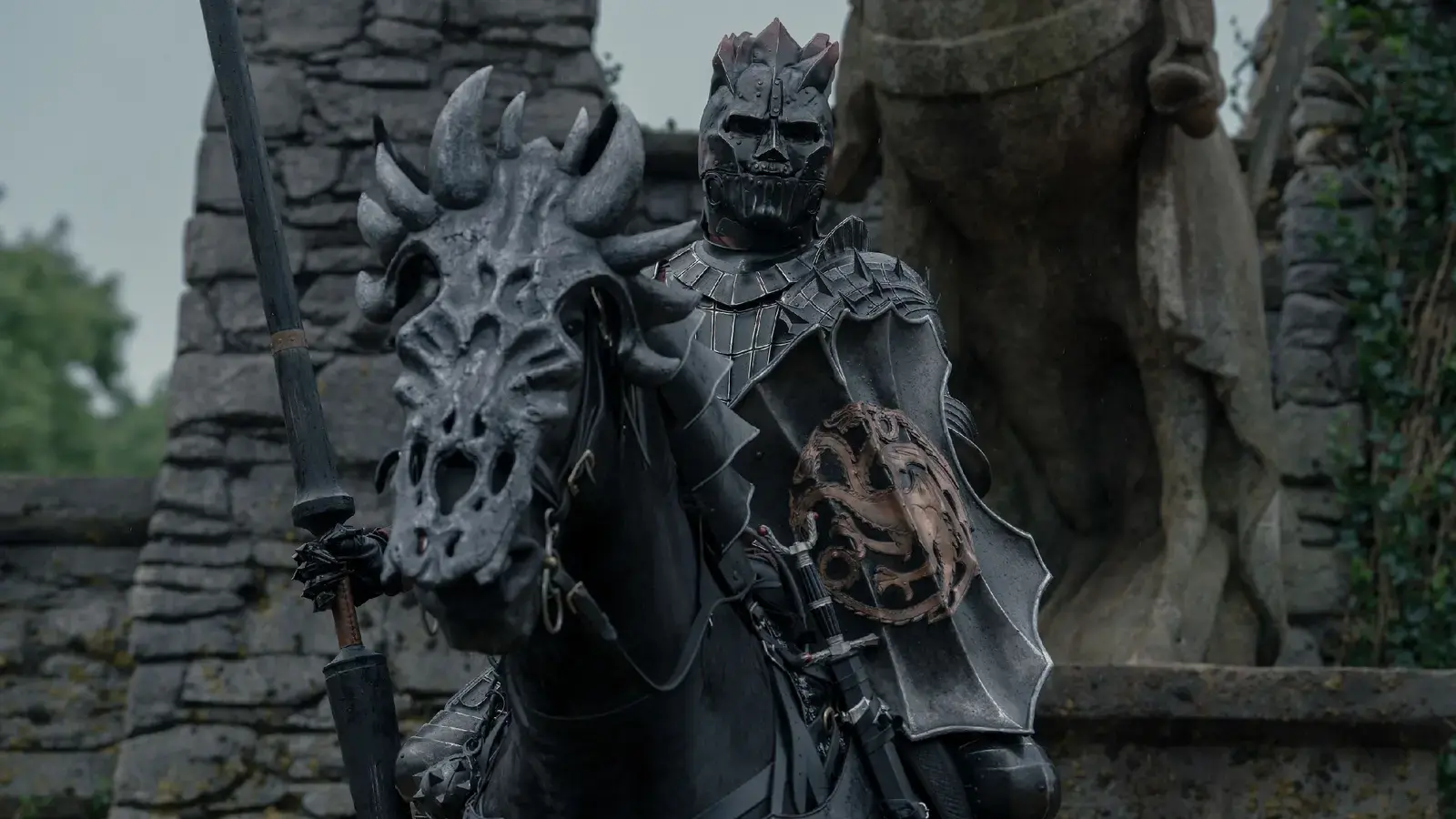 A New Fantasy Epic Stands Apart from the Shadow of Dragons and Thrones
 Jean Smart Makes Emmy History With Fifth Outstanding Lead Actress Win
 SZA, Tonya Lee, and Spike Lee Appointed Honorary Chairs for Alvin Ailey Season-Opening Gala
 Hulu's 2-Season Drama Jumps to No. 2 on Disney+ 11 Days After Return
The ranking highlights five essential films from this period, emphasizing their enduring cultural significance and rewatchability. Bambi claims the top position for its revolutionary approach to depicting nature and loss through simple yet profound visual storytelling. Snow White and the Seven Dwarfs follows as the groundbreaking first feature that launched the studio into feature-length animation. Pinocchio earns recognition for its moral complexity and technical achievements in effects animation. Dumbo and Fantasia complete the list, each representing different facets of Disney's experimental spirit during the 1930s and 1940s.
What Makes Bambi the Ultimate Rewatch Experience
These animations succeeded by balancing universal themes with unprecedented technical craftsmanship. Bambi's forest sequences, particularly the meeting between the young prince and Thumper, demonstrate how Disney used animal characters to explore human emotions with remarkable subtlety. The studio's multiplane camera technique created depth that still impresses modern viewers, while hand-drawn artistry provided warmth that computer-generated imagery often struggles to replicate. Contemporary animators frequently cite these works as foundational influences on their approach to character movement and environmental storytelling.
Bambi's enduring appeal lies in its ability to convey complex life cycles through accessible visual metaphors. The film's treatment of seasonal change mirrors human growth patterns, allowing viewers of different ages to discover new meanings upon each revisit. Unlike many contemporaries that relied on dialogue-heavy exposition, Bambi communicates primarily through visual rhythm and musical accompaniment. This approach creates an immersive experience that transcends language barriers, explaining why the film maintains strong international appeal decades after its initial release.
What defines Disney's Golden Age period? Disney's Golden Age refers to the studio's early feature-length animated films produced primarily between 1937 and 1942, establishing core animation techniques and storytelling principles still used today.
Frequently Asked Questions
Why is Bambi considered superior to other classics from this era? Bambi ranks highest due to its innovative visual storytelling, emotional depth without heavy dialogue, and groundbreaking nature animation that set new standards for environmental depiction in animation.
How do these films influence modern animation? Contemporary studios study these works for their principles of squash and stretch, secondary motion, and how to convey personality through movement rather than dialogue alone, techniques visible in current Pixar and Disney productions.