How 9/11 Changed the Canvas of American Art
As the 25th anniversary of the September 11 attacks passed this week, artists, curators, and cultural institutions across New York grappled with how to commemorate a moment that reshaped both the city and the global art landscape. The reflections came amid broader shifts in the cultural sector, including the sudden departure of Smithsonian Secretary Lonnie Bunch, whose tenure was marked by efforts to diversify museum narratives and expand community engagement.
Culture picks
 Crew Girl Soundtrack Features Tina Turner and Soulwax Tracks
 Drake Unveils Teaser for Upcoming Project Titled Fear of Missing Out
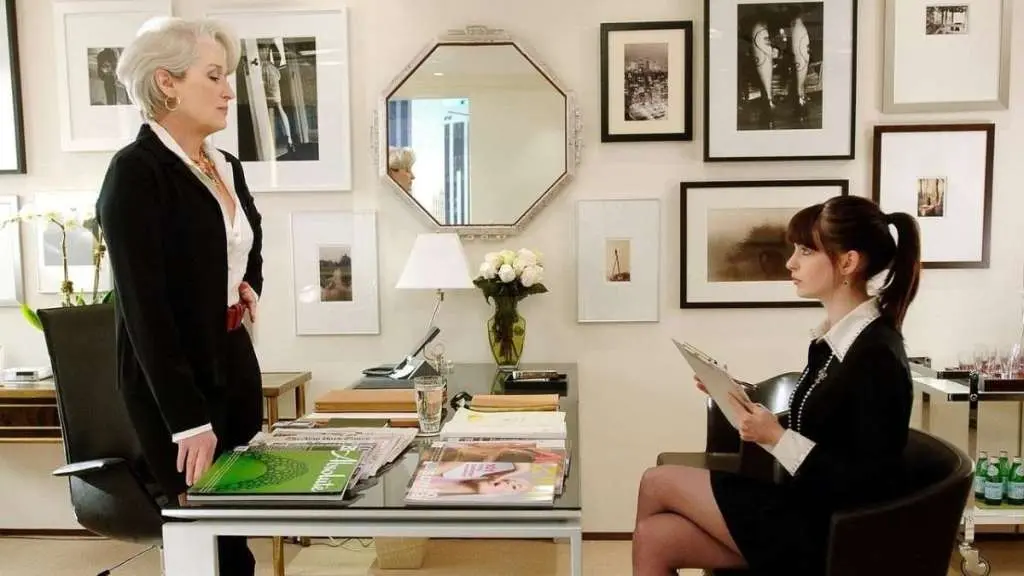 The Devil Wears Prada Lands on Netflix
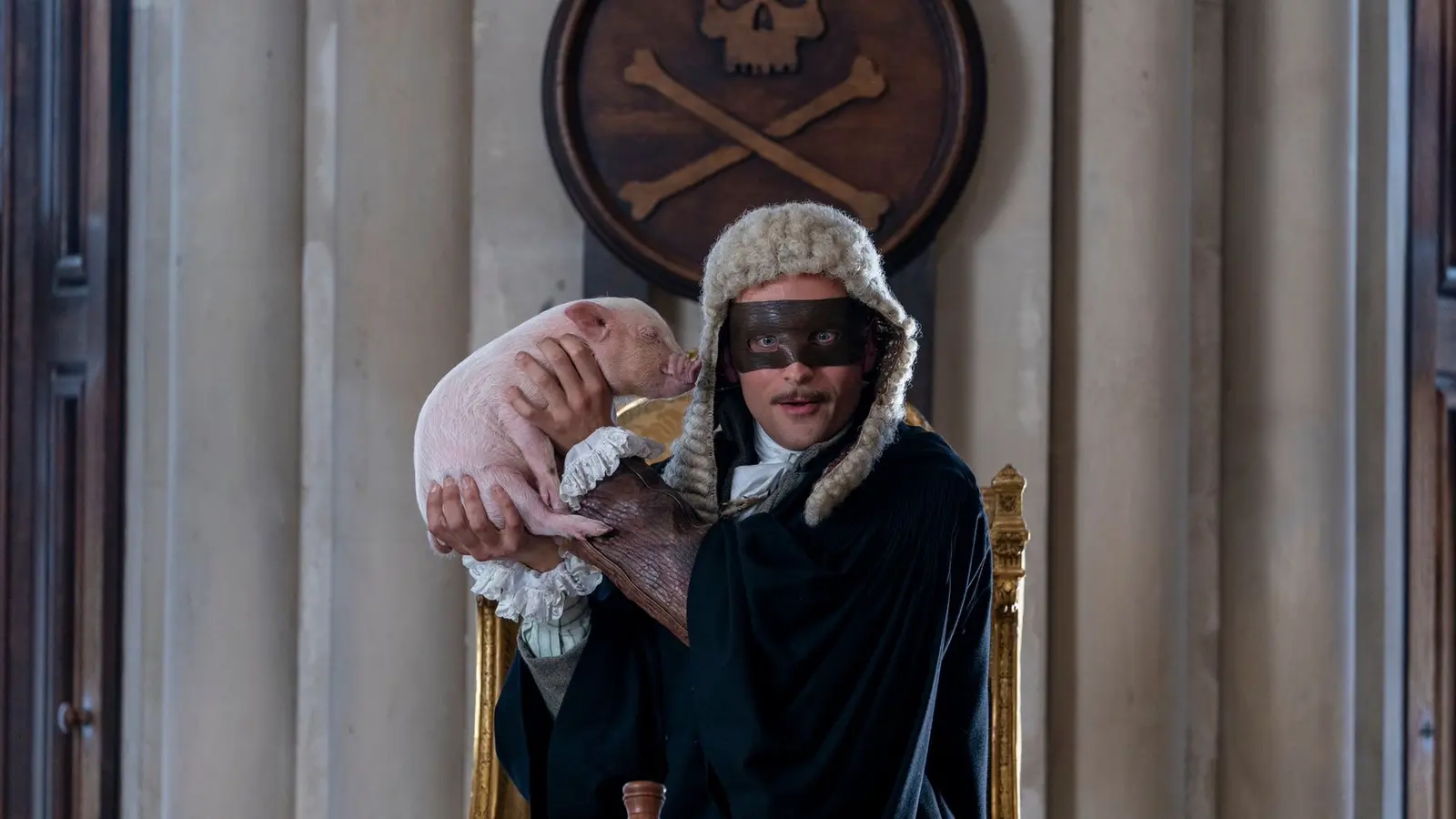 HBO’s Nine‑Hour Watchmen Saga Redefines the Superhero Narrative
The anniversary sparked a wave of exhibitions, performances, and public art projects that revisited themes of trauma, resilience, and collective memory. Many artists returned to works created in the immediate aftermath of the attacks, while others presented new pieces responding to ongoing questions about security, identity, and belonging. Galleries in Lower Manhattan, not far from Ground Zero, hosted intimate memorials that blended personal testimony with political commentary.
The attacks of September 11, 2001, left an indelible mark on the creative community, prompting a generation of artists to confront loss and uncertainty through their work. In the years that followed, art institutions began incorporating more socially engaged programming, moving beyond traditional aesthetics to address real-world events. This shift influenced everything from museum acquisitions to public art commissions, as cultural leaders sought to make their spaces more relevant to everyday life.
What Comes Next for Cultural Memory and Museum Leadership?
The Smithsonian under Bunch’s leadership played a significant role in this transformation, launching initiatives that highlighted underrepresented voices and encouraged dialogue around difficult histories. His exit, announced unexpectedly last month, has raised questions about who will carry forward his vision for inclusive storytelling in America’s most prominent cultural institutions.
As institutions look toward the future, they face the challenge of honoring the past without becoming trapped by it. The conversation around 9/11 continues to evolve, shaped by new generations of artists who did not experience the attacks firsthand but still feel their reverberations. Meanwhile, the search for Bunch’s successor signals a pivotal moment for the Smithsonian and other major museums as they navigate changing political climates and shifting public expectations.
The intersection of remembrance and reinvention remains central to how culture responds to tragedy. Whether through curated retrospectives or spontaneous street performances, the art world continues to ask: how do we remember, and why does it matter?
Frequently Asked Questions
What role did 9/11 play in reshaping American art? The attacks prompted artists to explore themes of grief and patriotism, leading to more politically charged and community-focused work. Museums responded by expanding their outreach and incorporating more diverse perspectives into their collections.
Why did Lonnie Bunch leave the Smithsonian? Bunch cited personal reasons for stepping down after seven years, though his departure coincides with internal debates over funding, staffing, and the direction of national cultural policy.
How are younger artists engaging with 9/11 today? Many emerging creators approach the topic indirectly, using digital media and performance to examine inherited trauma and the long-term effects of state surveillance and war.