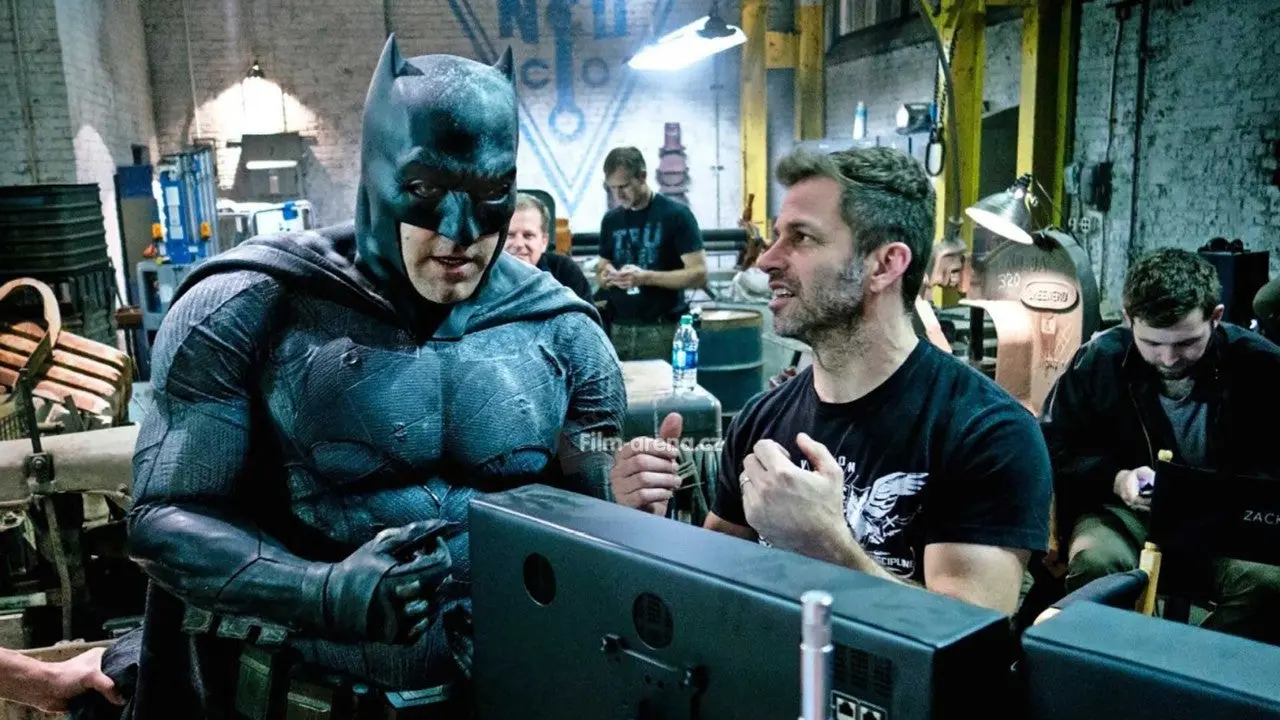
A Fractured Creative Vision
Director Zack Snyder recently revealed that a former Warner Bros. executive expressed deep remorse regarding their past conflicts over his DC cinematic universe. During a candid interview published this week, Snyder described the collapse of his planned superhero franchise as a significant low point in his professional career and creative journey.
Culture picks
 Former Pro Dancer Returns to Dancing With the Stars for Season 35
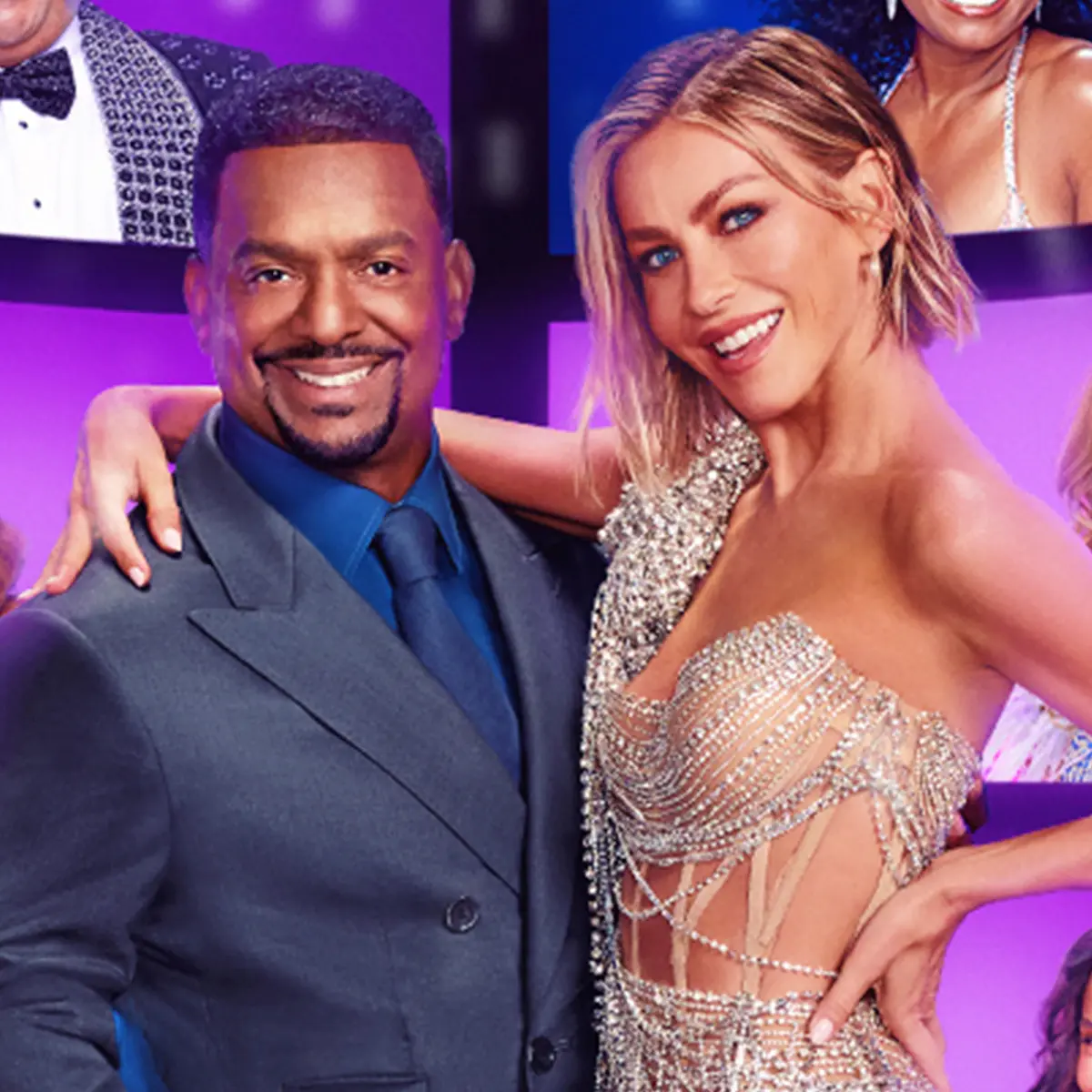 Dancing With the Stars Season 35 Premiere Eliminates First Celebrity in Shocking Twist
 Mayci Neeley and Layla Taylor Face Exit Rumors on Mormon Wives Show
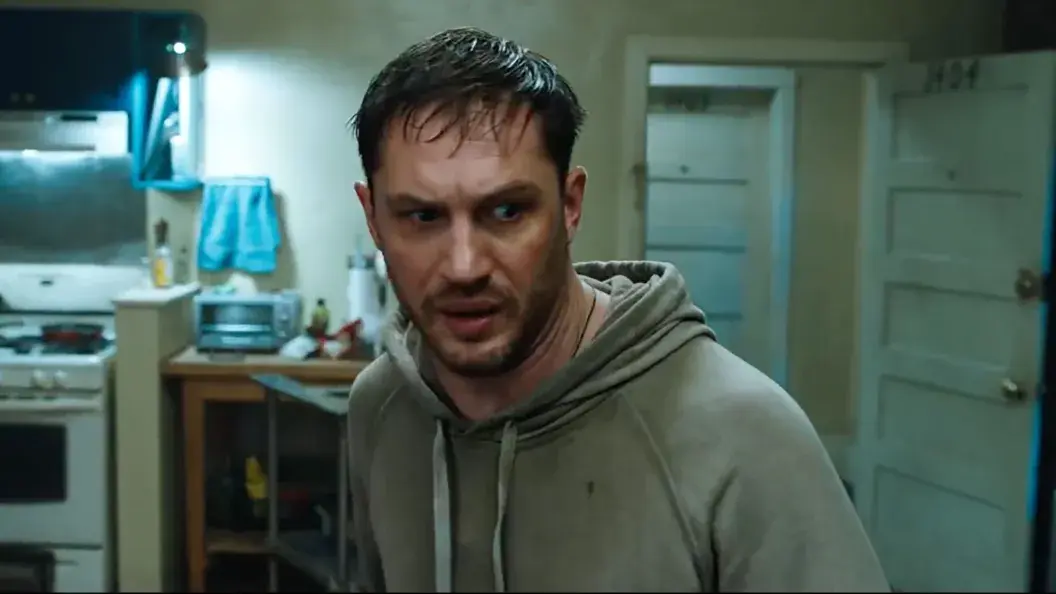 Eight Years Later, Tom Hardy's Best Comic Book Film Becomes a Streaming Hit
The filmmaker explained that the executive reached out to acknowledge that Snyder’s original creative instincts were correct all along. This admission marks a major shift in the narrative surrounding the studio’s internal friction during the production of various DC blockbusters. The director noted that the executive felt genuine regret for the aggressive pushback he faced while attempting to build his interconnected world.
For years, the relationship between Snyder and the studio was defined by creative differences and public disputes. The director’s ambitious plans for the DC Extended Universe were frequently altered or abandoned by studio leadership. These interventions led to a disjointed final product that alienated many fans who supported his darker, more stylized approach to comic book storytelling.
Was the Studio Conflict Avoidable?
Snyder described the period following his departure from the franchise as a difficult time. He felt his vision was misunderstood and systematically dismantled by those in charge. Hearing an executive finally admit that he was right about his structural and thematic choices provided a sense of personal vindication after years of public scrutiny.
The admission highlights the volatile nature of large-scale studio filmmaking. When creative control is split between visionary directors and corporate executives, the results can often lead to artistic compromise. Many industry analysts now wonder if the DC universe could have flourished had the studio trusted Snyder’s initial roadmap from the beginning.
Frequently Asked Questions
The revelation underscores the ongoing tension between artistic integrity and corporate mandates in Hollywood. While the studio has moved on to a new era of DC films, this retrospective apology serves as a reminder of the lost potential of the Snyder-led era. It remains a cautionary tale about the dangers of studio interference in complex creative projects.
What did the executive tell Zack Snyder? The executive admitted that Snyder was right about everything regarding his DC vision and expressed regret for the conflicts that occurred during production.
Why did Snyder call this period a low point? Snyder felt that the studio’s interference and the eventual collapse of his planned cinematic universe were deeply frustrating and personally taxing experiences.