He noted that test audiences reacted strongly to the bleakness
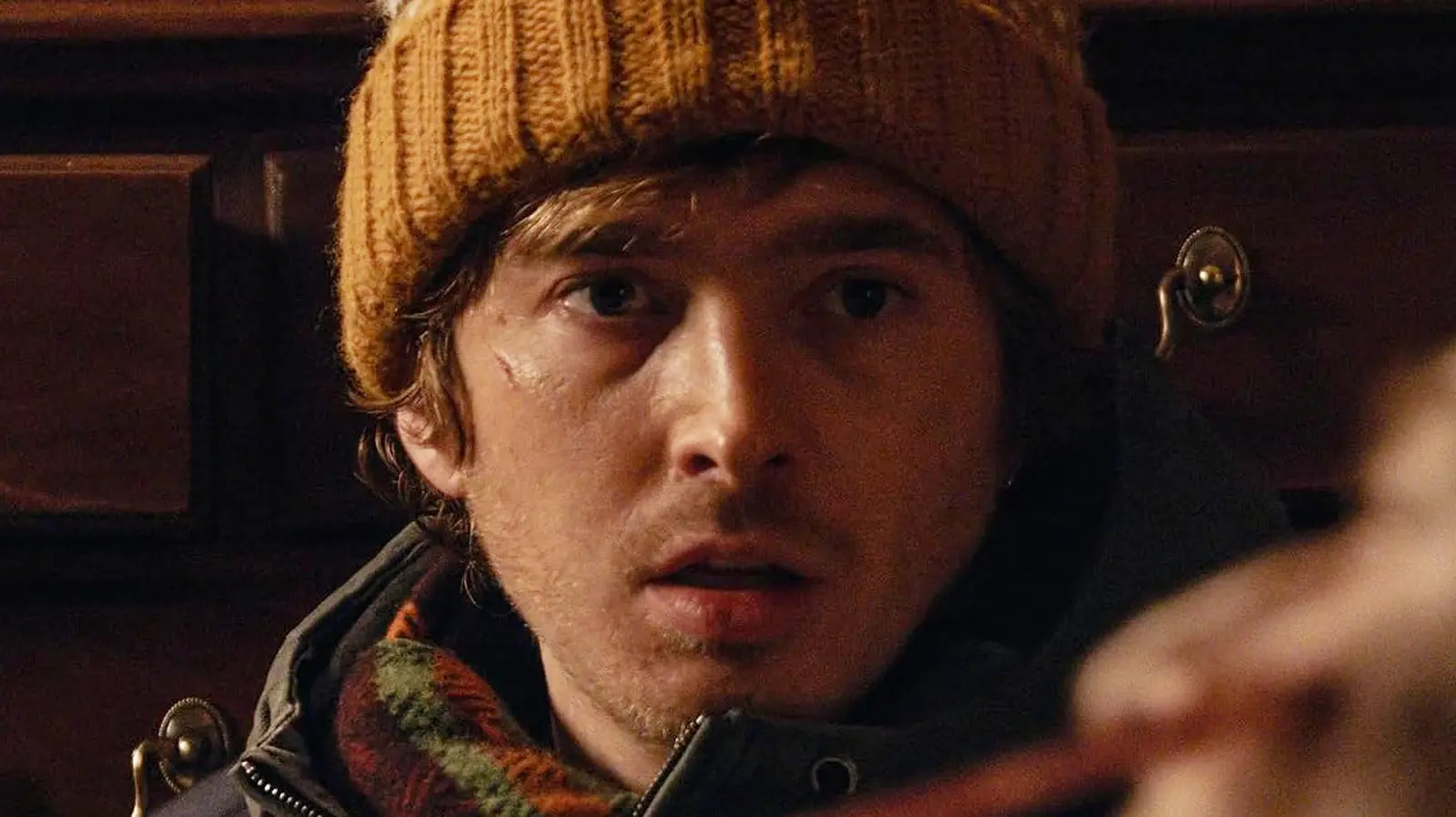
Zach Cregger's original vision for the Resident Evil film ending was significantly darker than what audiences ultimately saw. The co-writer and director revealed that an earlier version of the conclusion featured a far more somber fate for the protagonists, reflecting his intent to emphasize the horror and futility of the viral outbreak. This alternate ending would have deepened the film's bleak tone, aligning more closely with the despairing atmosphere of the source material. The initial concept involved a prolonged sequence where the surviving characters faced inevitable demise, with no hope of escape or rescue. Cregger described how this version leaned into the nihilistic undertones of the Resident Evil universe, where corporate greed and biological horror leave little room for triumph.
Culture picks
 The X-Files Returns to Pop Culture Spotlight with New Reboot and Director's Cut Release
 Star Trek Kelvin Timeline Returns for New Era
 Indie Developer Accuses Rival of Using AI to Clone Viral Potato Peeling Game
 Game of Thrones Star Reveals Hope for New Spinoff Series
He noted that test audiences reacted strongly to the bleakness, prompting Sony Pictures to push for a revised ending that offered a sliver of hope, even if ambiguous. How Test Screenings Shaped the Final Cut Feedback from early screenings played a decisive role in altering the film’s conclusion. According to Cregger, viewers found the original ending too emotionally draining, which risked undermining the film’s entertainment value despite its artistic intent. The studio’s concern centered on balancing thematic depth with audience engagement, particularly for a franchise known for its action-driven appeal. As a result, the final cut was adjusted to include a more open-ended resolution, allowing for potential sequels while preserving the film’s core horror elements. Could a Darker Ending Have Changed the Film’s Legacy?
Had the bleaker ending remained, the film might have been remembered more as a stark horror drama than a mainstream action-horror hybrid.
Cregger believes such a version could have appealed to fans seeking a purer
Cregger believes such a version could have appealed to fans seeking a purer adaptation of the game’s tone, though it may have limited broader accessibility. He maintains that the released film still captures essential themes of isolation and corporate malfeasance, even if softened for wider consumption. The alternate ending remains a notable footnote in the film’s development, illustrating the tension between artistic vision and commercial expectations in franchise filmmaking. Frequently Asked Questions Why did Zach Cregger want a darker ending for Resident Evil? Cregger aimed to stay true to the grim, hopeless atmosphere of the Resident Evil games, where survival often feels temporary and victories are hollow. He believed a bleaker conclusion would better reflect the consequences of unchecked scientific experimentation and corporate corruption. How did the studio respond to the original ending?
Sony Pictures expressed concern that the initial ending was too bleak for general audiences, fearing it would negatively impact reception and box office performance. This led to revisions that introduced a more ambiguous, hopeful tone. Does the released film still reflect Cregger’s original intentions? While the ending was altered, Cregger asserts that the film’s underlying themes of dread, isolation, and institutional failure remain intact. He views the final product as a compromise that preserves the story’s essence while accommodating franchise expectations.