A Bold Shift in Narrative Stakes
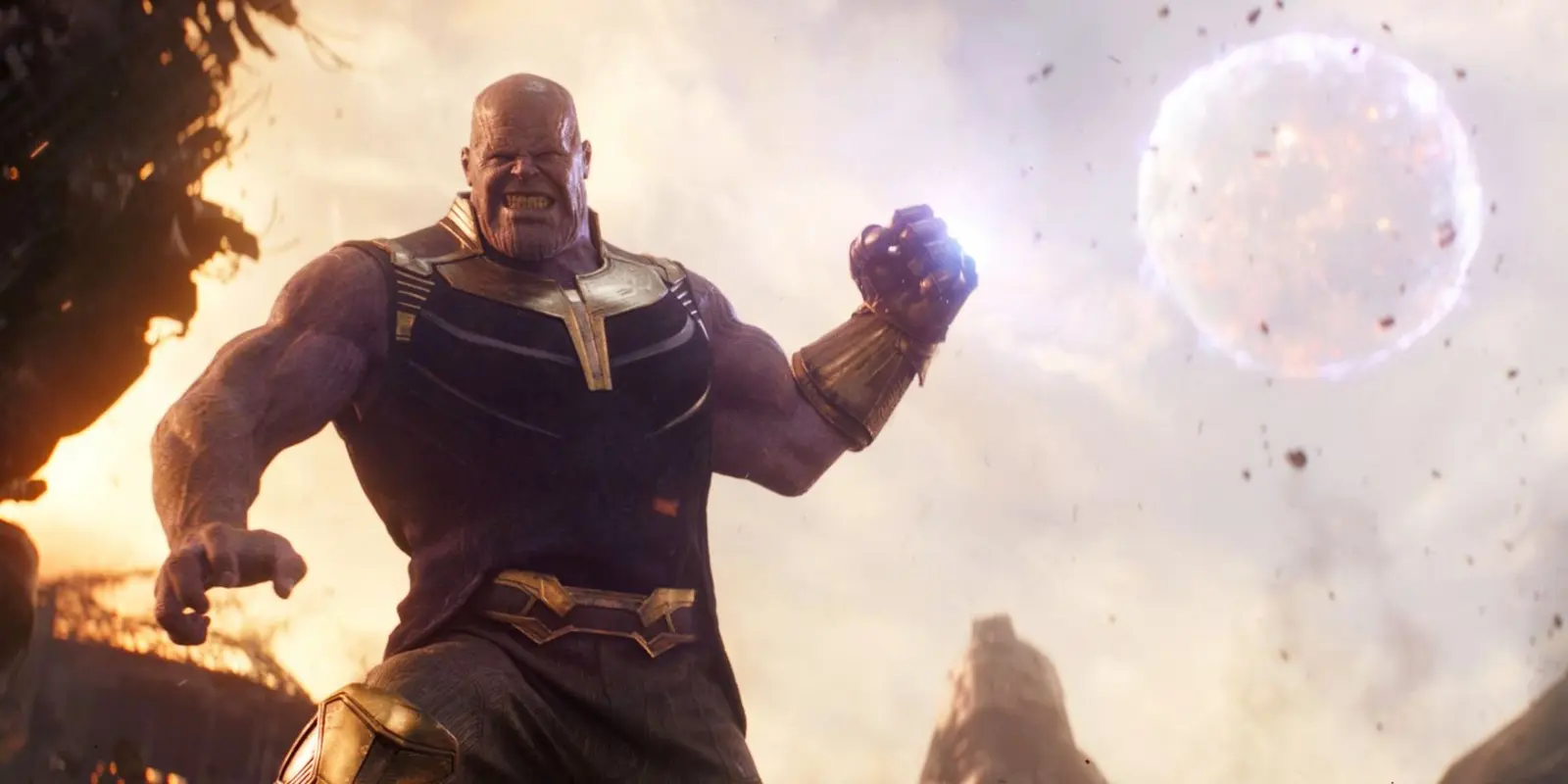
Avengers: Infinity War stands as a monumental achievement in cinematic history, marking a decade of storytelling within the Marvel Cinematic Universe. Released as the culmination of years of interconnected narratives, the film redefined the superhero genre by delivering high stakes, emotional depth, and a narrative scope rarely seen in blockbuster filmmaking.
Culture picks
 The Real Ghostbusters’ Janine Melnitz Was More Than Just a Secretary
 DC Studios Casts Animated Mister Miracle Series
 Marvel Studios' VisionQuest debuts on Disney+
 Netflix Sci-Fi Hit Supacell Becomes Platform’s Most Popular Genre Series
The film successfully balances a massive ensemble cast while maintaining a cohesive and urgent plot. By focusing on Thanos as a complex antagonist, the story moves beyond standard hero-versus-villain tropes. It forces the audience to confront the reality of failure, creating a tension that permeates every scene from start to finish.
Unlike its predecessors, Infinity War refuses to offer a clean, predictable resolution. The narrative structure is relentless, pushing the heroes to their physical and psychological limits across multiple planets. This pacing keeps viewers engaged, as the threat of total annihilation feels genuine rather than merely performative or temporary.
Does the Villain Make the Movie?
The film’s visual ambition matches its storytelling, blending grand cosmic battles with intimate character moments. By weaving together disparate storylines, the directors crafted a tapestry that feels both epic and personal. It serves as a masterclass in managing large-scale production without losing the human element that defines these iconic characters.
Thanos serves as the driving force behind the film’s success, providing a clear motivation that challenges the Avengers' moral framework. His presence transforms the movie from a standard action flick into a philosophical exploration of sacrifice and necessity. This focus on the antagonist provides a refreshing change of pace for the franchise.
Frequently Asked Questions
The emotional weight of the final act leaves a lasting impression, setting a new standard for consequences in comic book cinema. By dismantling the team's sense of security, the film ensures that the audience remains invested in the future of the universe. It remains the high-water mark for the entire series.
Why is Thanos considered a standout villain? Thanos is unique because he believes he is the hero of his own story. His clear, albeit twisted, motivation provides a compelling contrast to the Avengers' traditional heroism.
Did the film change the future of the franchise? Yes, the movie established a new tone for the series by proving that major characters could face permanent defeat. This shifted the stakes for all subsequent Marvel films.