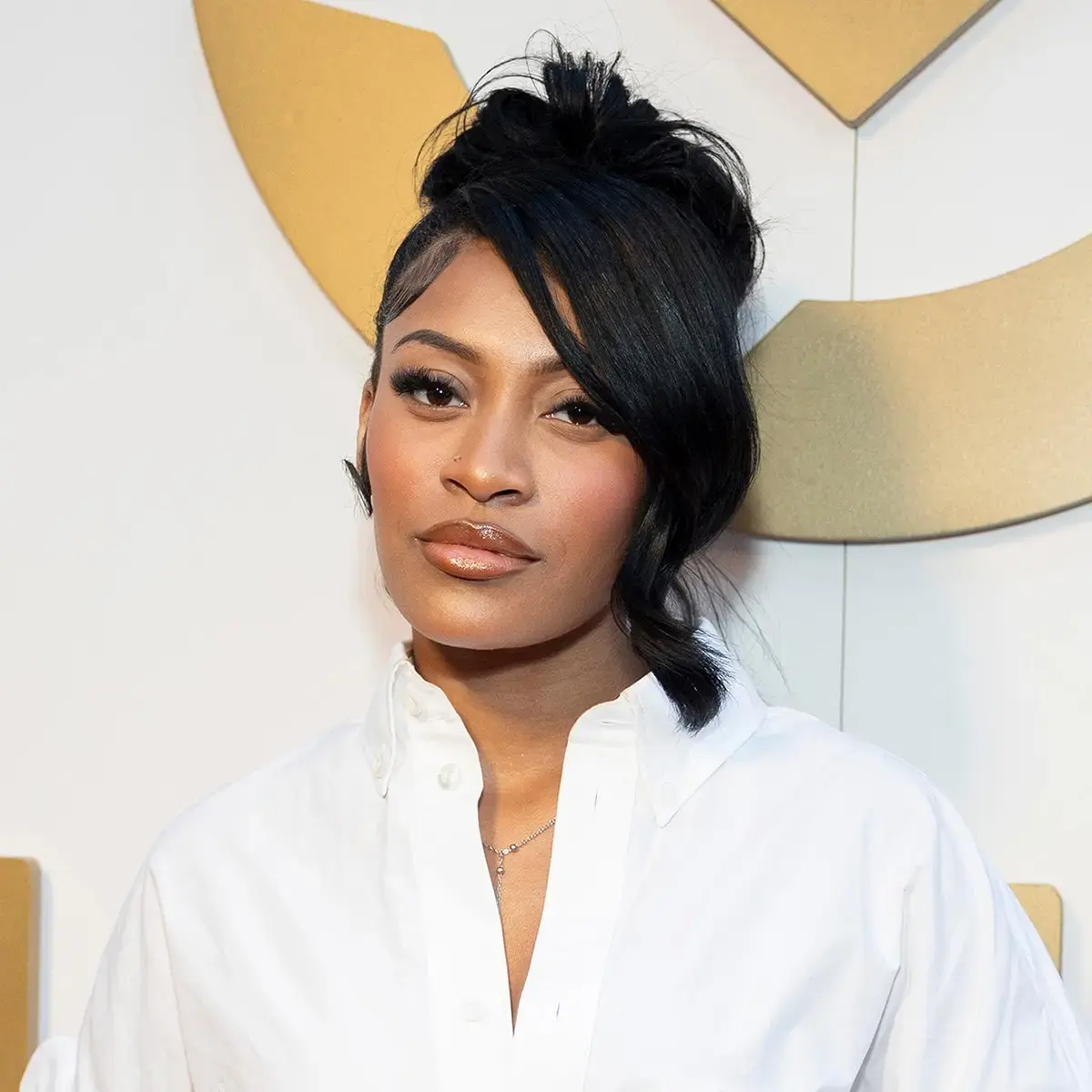
AI‑Animated Podcasts: A New Frontier for Film Promotion
Warner Bros. released an artificial‑intelligence‑crafted announcement for its upcoming thriller „The End of Oak Street” on August 9, 2026. The AI‑animated podcast teaser, produced in partnership with a tech startup, sparked immediate criticism from fans and industry insiders. The move marks a bold, yet contentious, shift in how major studios promote new releases.
Culture picks
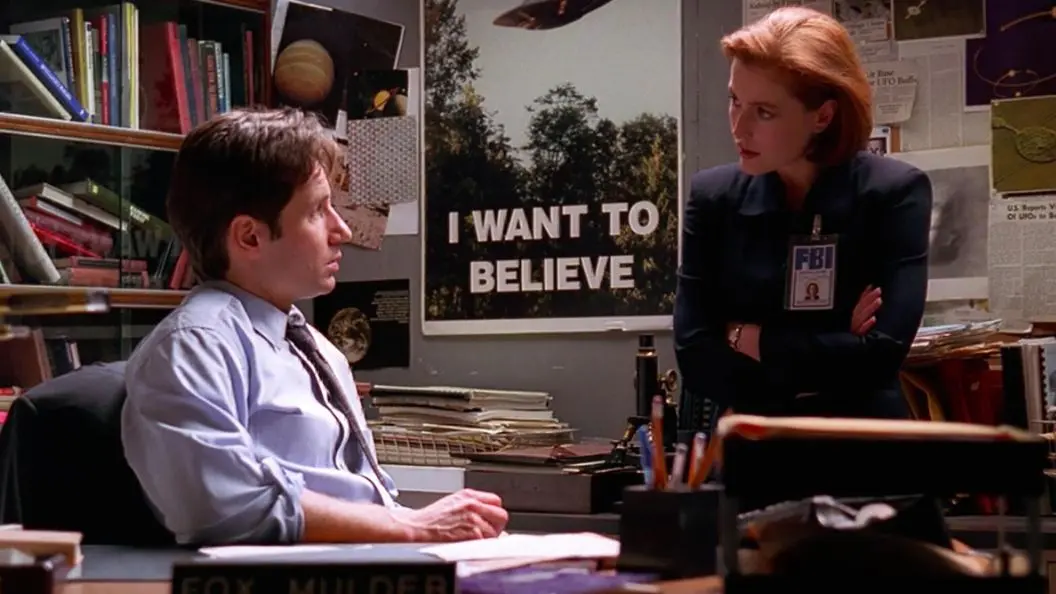 The X-Files Returns to Pop Culture Spotlight with New Reboot and Director's Cut Release
 Star Trek Kelvin Timeline Returns for New Era
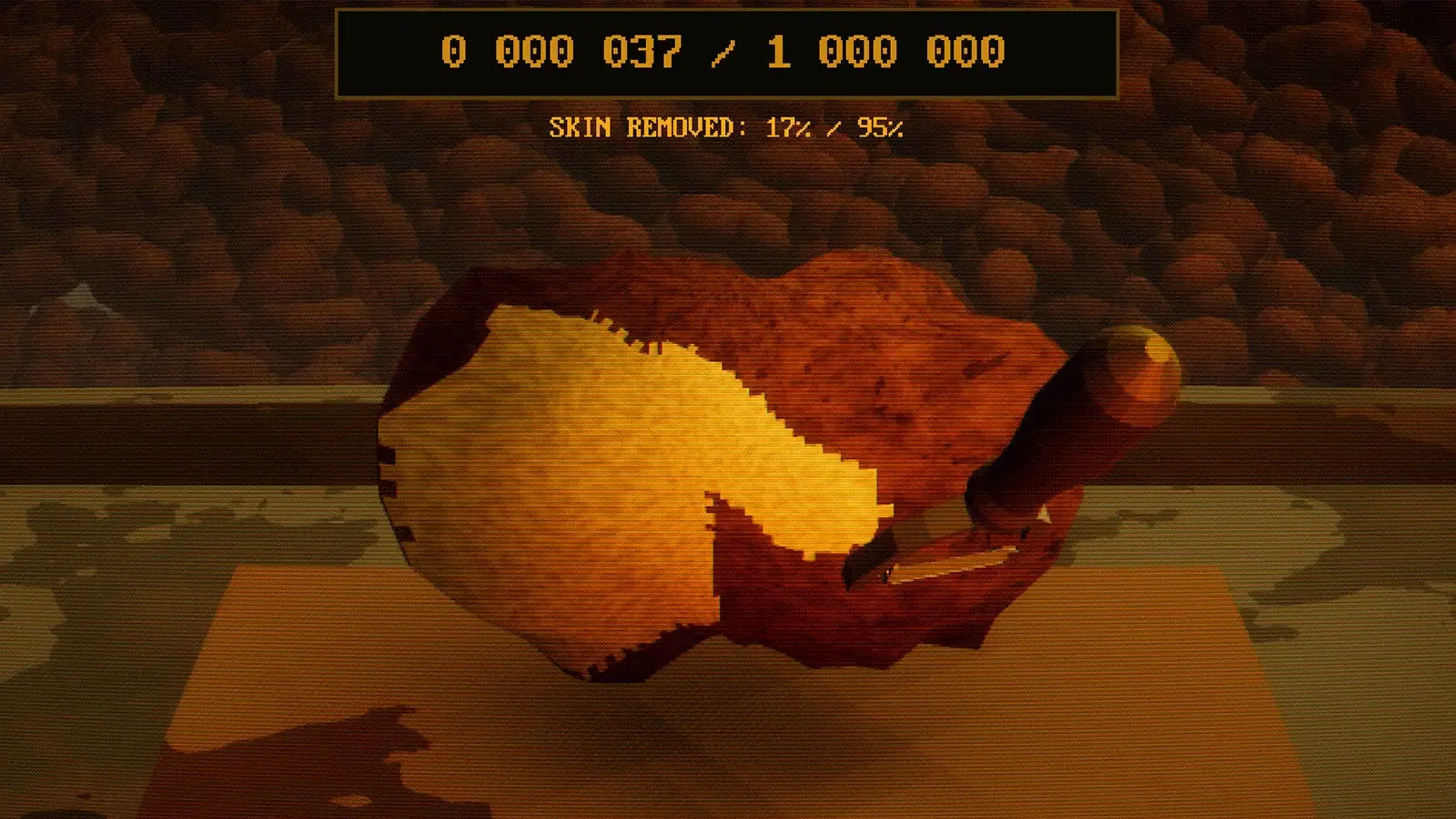 Indie Developer Accuses Rival of Using AI to Clone Viral Potato Peeling Game
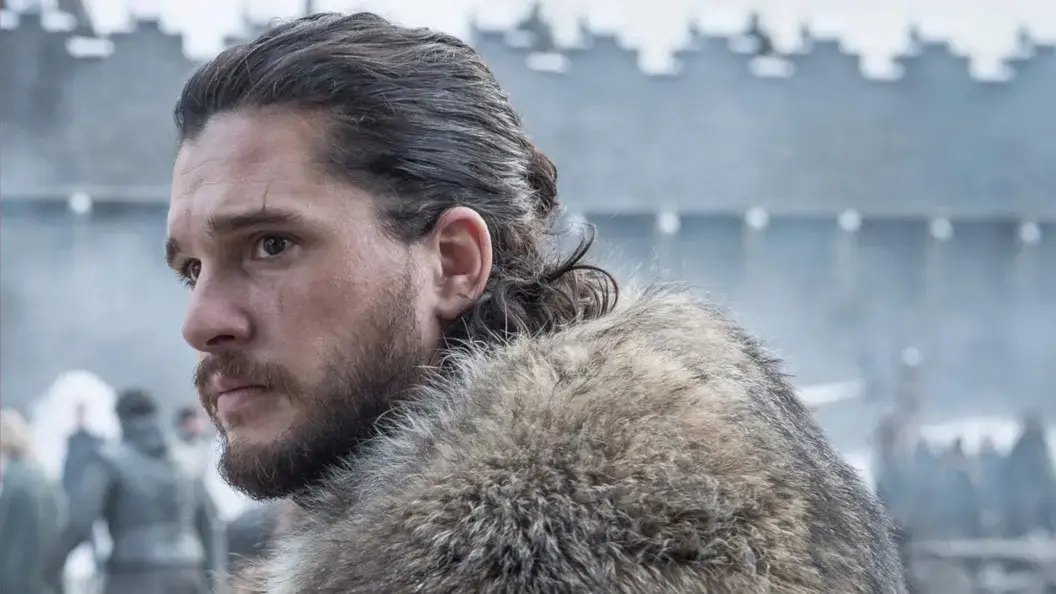 Game of Thrones Star Reveals Hope for New Spinoff Series
The studio teamed up with an AI‑driven podcast that creates animated scenes and voiceovers without human actors. Warner Bros. hoped the novelty would generate buzz and reach younger audiences on social platforms. Critics argue the approach undermines traditional creative labor and raises ethical concerns about deep‑fake technology. The controversy highlights a growing tension between innovation and authenticity in entertainment marketing.
The partnership leverages generative‑AI models that synthesize realistic dialogue and visuals based on script excerpts. Warner Bros. executives said the teaser was designed to „showcase cutting‑edge storytelling tools while teasing the film’s core mystery.” The AI podcast episode runs for three minutes, featuring a synthetic voice that mimics the film’s lead actor. Observers note that the technology allows rapid content creation, cutting production costs and timelines dramatically.
Will Audiences Embrace AI‑Driven Marketing or Reject It?
However, labor unions representing voice actors and animators have condemned the move, calling it „a slippery slope toward replacing human talent.” A spokesperson for the Screen Actors Guild warned that unchecked AI use could erode job security across the industry. Meanwhile, digital‑rights advocates raised concerns about consent, questioning whether the actor’s likeness was used with full permission. Warner Bros. has not disclosed the specific terms of its agreement with the AI provider.
Early reactions on social media are mixed. Some users praised the futuristic aesthetic, describing the teaser as „eerily compelling” and „a glimpse into the future of cinema.” Others expressed discomfort, labeling the synthetic performance „creepy” and accusing the studio of „cheating” the audience. Film critics have begun debating whether AI‑generated content can ever match the nuance of human‑crafted storytelling. The debate may influence how studios allocate marketing budgets in the coming years.
The fallout from the AI announcement could reshape promotional strategies across Hollywood. If Warner Bros. sees a measurable lift in pre‑release interest, other studios might follow suit, accelerating the adoption of AI tools. Conversely, sustained backlash could force studios to adopt stricter guidelines and seek broader consent from talent. The industry appears poised at a crossroads, balancing technological advancement with the preservation of creative integrity.
Frequently Asked Questions
What exactly was the AI‑generated content? Warner Bros. released a three‑minute animated podcast teaser created entirely by generative‑AI, featuring synthetic voice and visuals derived from the film’s script.
Why is the AI approach controversial? Critics argue it threatens jobs for voice actors and animators, raises consent and deep‑fake concerns, and may diminish the authenticity of promotional material.
How might this affect future film marketing? If the AI teaser drives strong audience engagement, studios may increase AI use; however, continued criticism could lead to tighter regulations and a return to traditional, human‑driven campaigns.