
From Harlan County to Union Town: A Half‑Century of Labor Filmmaking
Veteran documentary director Barbara Kopple will premiere her latest film, „Union Town,” at the Venice Film Festival this week. The project marks the 50th anniversary of her landmark 1976 work „Harlan County, USA,” and returns to the American heartland to explore contemporary battles between workers and corporate interests. The film debuted in the festival’s competition slate on Thursday and is already generating buzz among critics and labor activists alike.
Culture picks
 Taylor Swift earns first CMA nomination in four years
 BTS Sets First Live Screening in South America
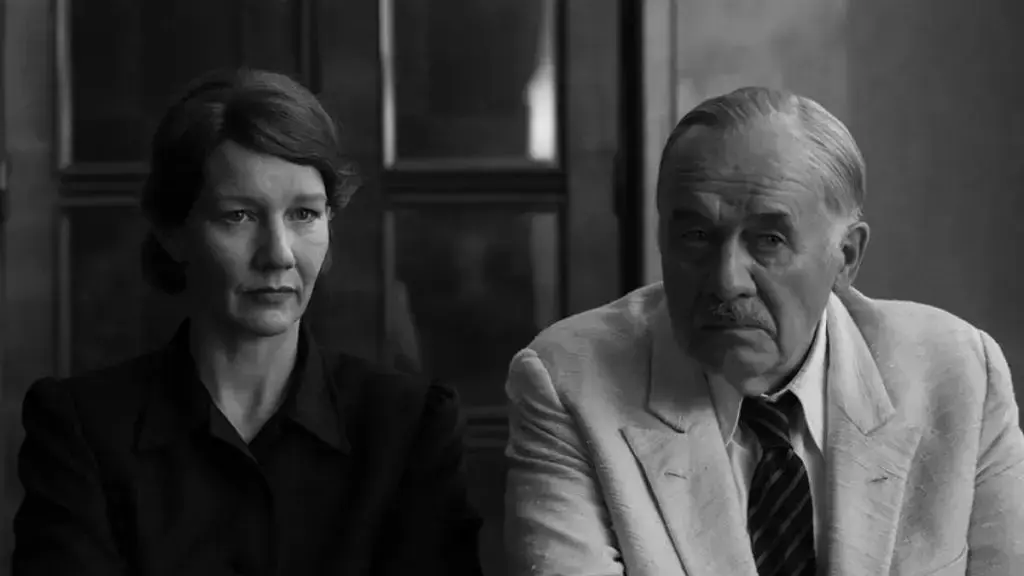 Fatherland Trailer Reveals Cold War Drama Starring Sandra Hüller
 Marvel’s Wolverine Delivers a Gritty, Linear X-Men Adventure
Kopple, a two‑time Oscar winner, spent months embedded in a small Midwestern town where a manufacturing plant is slated for closure. She followed union organizers, plant employees, and local officials as they negotiated a fraught future. The documentary blends archival footage from the 1970s with present‑day interviews, highlighting how the tactics of corporate restructuring have evolved while the core struggle for dignity and fair wages remains unchanged. Kopple said she was drawn back to the subject because „the fight for workers’ rights is a story that never ends, and the new generation faces challenges we could only imagine half a century ago.” The film also features commentary from labor economists and historians who contextualize the town’s plight within broader national trends of deindustrialization.
Kopple’s career has been defined by her willingness to stand alongside the people she films. In „Harlan County, USA,” she captured the violent clash between coal miners and company security forces in Kentucky, earning critical acclaim and an Academy Award. „Union Town” follows a similar immersive approach, with the director and her crew living in the community for weeks, gaining trust, and documenting private moments that reveal the human cost of economic change. The documentary’s opening sequence juxtaposes footage of a 1970s strike rally with today’s silent factory floor, underscoring the continuity of labor’s fight for respect.
Will „Union Town” Spark New Momentum for Labor Organizing?
The film also delves into the role of technology, showing how automation and global supply chains have altered bargaining power. Interviews with plant workers reveal a mix of resignation and resilience; one veteran assembler remarked, „We’ve seen the same promises broken over and over, but we still show up because our families depend on us.” Kopple’s camera captures these raw emotions without sensationalism, allowing the audience to hear the workers’ voices directly.
Critics hope the documentary will reignite public conversation about unionization at a time when legislative efforts to protect collective bargaining are under attack in several states. Labor leaders have already scheduled screenings of „Union Town” at union halls and community centers across the country, hoping the film’s emotional impact will translate into grassroots action. Kopple’s reputation for influencing policy debates—her earlier work contributed to heightened scrutiny of mining safety regulations—adds weight to expectations that „Union Town” could become a rallying point for contemporary labor movements.
The Venice premiere concluded with a panel discussion featuring Kopple, union representatives, and economists who debated the film’s implications. While the documentary does not prescribe specific solutions, its vivid portrayal of workers’ perseverance may encourage policymakers to reconsider the balance of power between corporations and labor. As the festival audience filed out, many expressed a renewed sense of urgency about protecting workers’ rights in an increasingly precarious economy.
Frequently Asked Questions
What is „Union Town” about? The documentary follows a Midwestern manufacturing town confronting plant closure, focusing on the struggles of workers, union organizers, and community leaders as they fight to preserve jobs and dignity.
How does the film connect to „Harlan County, USA”? Both films use immersive, on‑the‑ground storytelling to document labor conflicts, linking past and present by showing how tactics have changed while the core issues of fairness and safety remain constant.
Why is the film premiering at Venice? Venice offers a global platform that amplifies socially relevant cinema, allowing „Union Town” to reach an international audience and spark broader discussions about labor rights worldwide.