The Art of Deliberate Movement
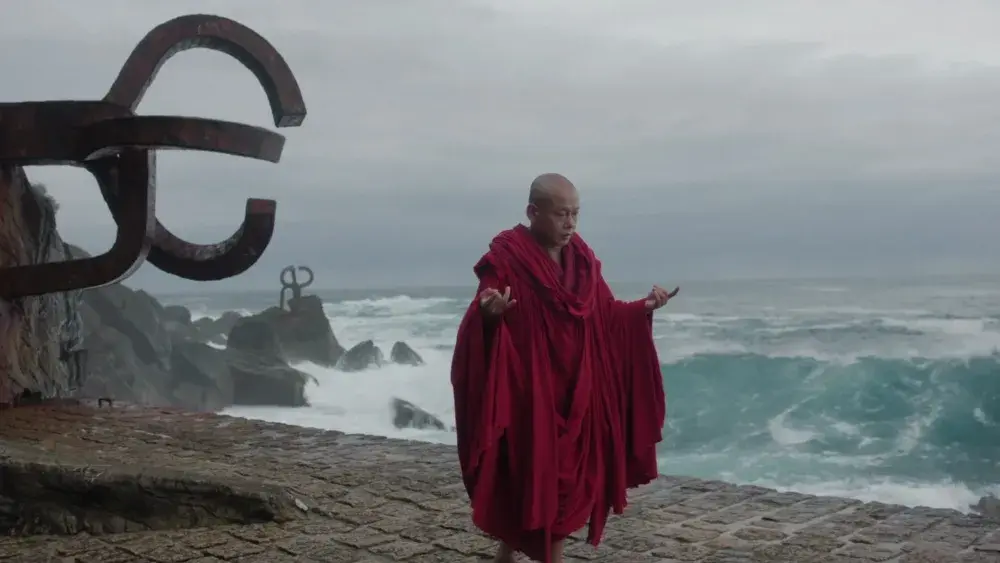
Celebrated filmmaker Tsai Ming-liang is currently captivating audiences at the Venice and San Sebastian film festivals. His latest project, titled Dust, features a monk in a red robe walking barefoot across the landscape. This meditative performance highlights the director’s signature commitment to slow cinema and deliberate, minimalist storytelling techniques.
Culture picks
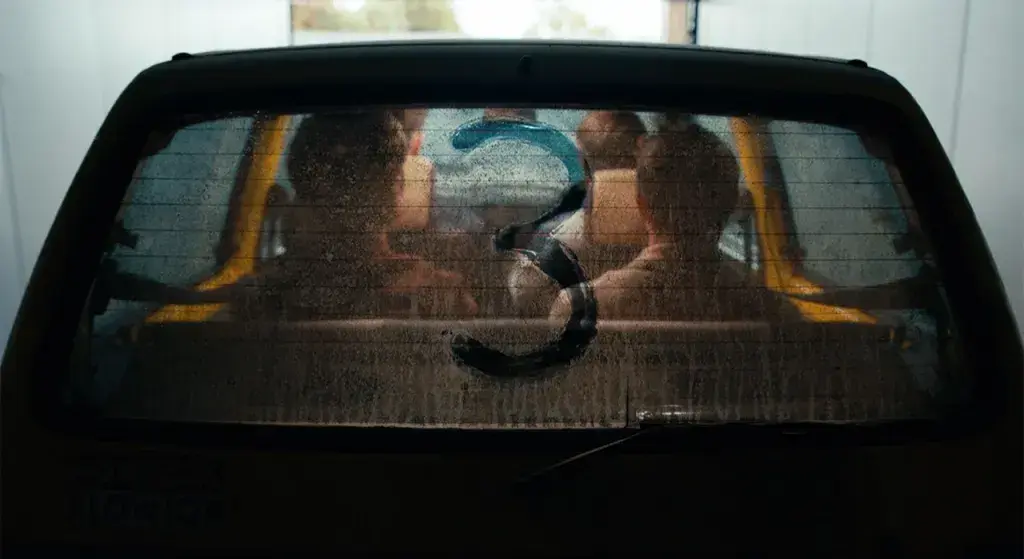 The Inbetweeners Return for Highly Anticipated Reunion Movie
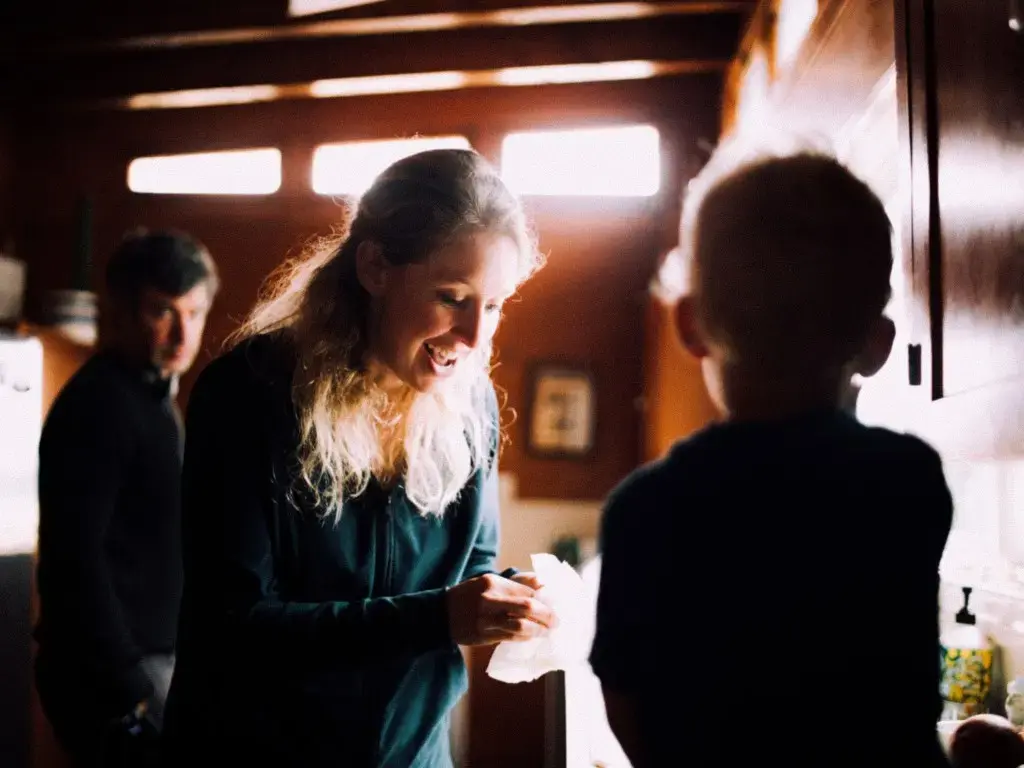 A Fresh Look at the Elizabeth Holmes Saga Through a Surreal Lens
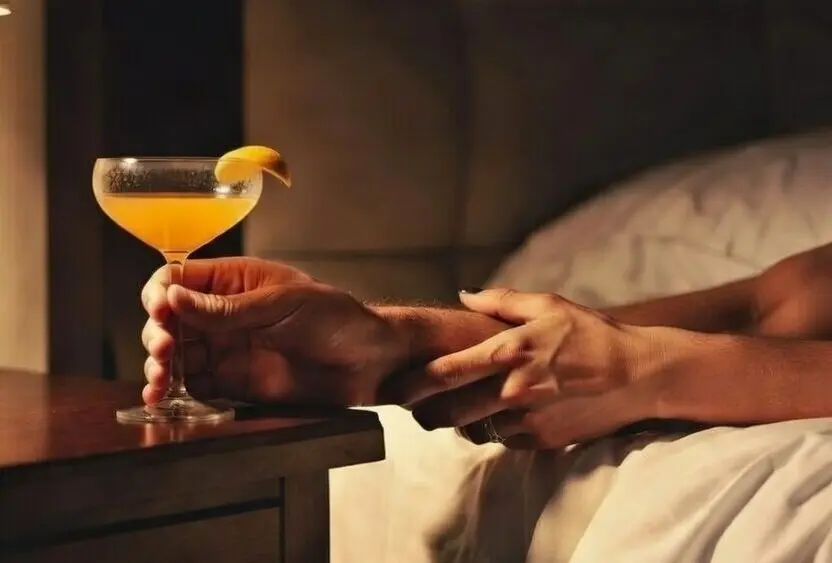 Jorge Perugorría and Thiago Lacerda Star in New Havana Drama Hotel Nacional
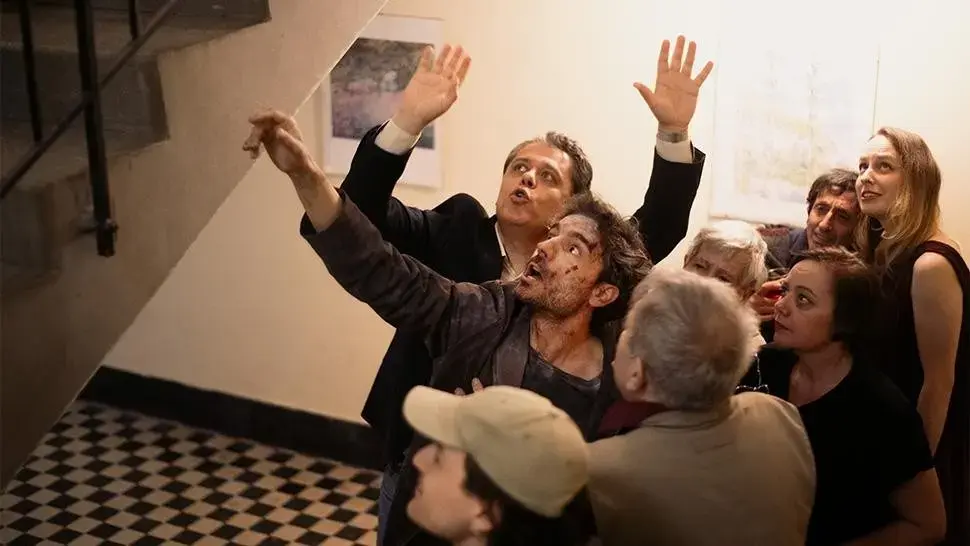 A Satirical Look at Bureaucratic Decay in New Hungarian Film Ground Floor
The film captures the monk’s slow journey along the iconic La Concha beach in San Sebastian. By forcing the viewer to observe every step, Tsai challenges the frantic pace of modern life. He treats the act of walking as a form of quiet rebellion against a world obsessed with speed and constant stimulation.
Tsai’s cinematic philosophy centers on the idea that stillness reveals hidden truths. In Dust, the camera lingers on the monk’s rhythmic movements, stripping away traditional narrative structures. This approach allows the audience to experience time differently, focusing on the texture of the environment and the physical presence of the performer.
Why Does Slow Cinema Still Matter Today?
The director remains deeply committed to his long-term creative partnership with actor Lee Kang-sheng. Their decades-long collaboration has defined the aesthetic of Tsai’s work, emphasizing human endurance and isolation. By placing Lee in these meditative roles, Tsai explores the intersection of spiritual discipline and artistic expression.
In an era of rapid-fire content, Tsai’s films serve as a necessary counterpoint. He believes that slowing down is essential for genuine human connection and reflection. His work does not aim to entertain in the conventional sense, but rather to invite the viewer into a meditative state of observation.
Frequently Asked Questions
The reception at major festivals demonstrates a growing appetite for contemplative art. As Tsai continues to refine his minimalist style, he proves that silence can be more powerful than dialogue. His focus on the human body moving through space remains a profound statement on the nature of existence.
What is the primary theme of Tsai Ming-liang’s latest work? The film explores the concept of slowness as a form of rebellion against modern life. It uses the image of a walking monk to emphasize meditation and physical endurance.
How does the partnership with Lee Kang-sheng influence the film? Lee Kang-sheng’s long-standing collaboration with Tsai provides a consistent emotional anchor for the director's minimalist style. Their work together focuses on the quiet, often solitary, experience of the human condition.