The Formula Behind an Enduring Trilogy
The entertainment world continues to celebrate ten movie trilogies that have stood the test of time, from the time‑bending adventures of „Back to the Future” to the galaxy‑spanning saga of „Star Wars.” Compiled by a young film analyst, the list highlights series that consistently draw audiences and critics alike, proving their lasting appeal across generations.
Culture picks
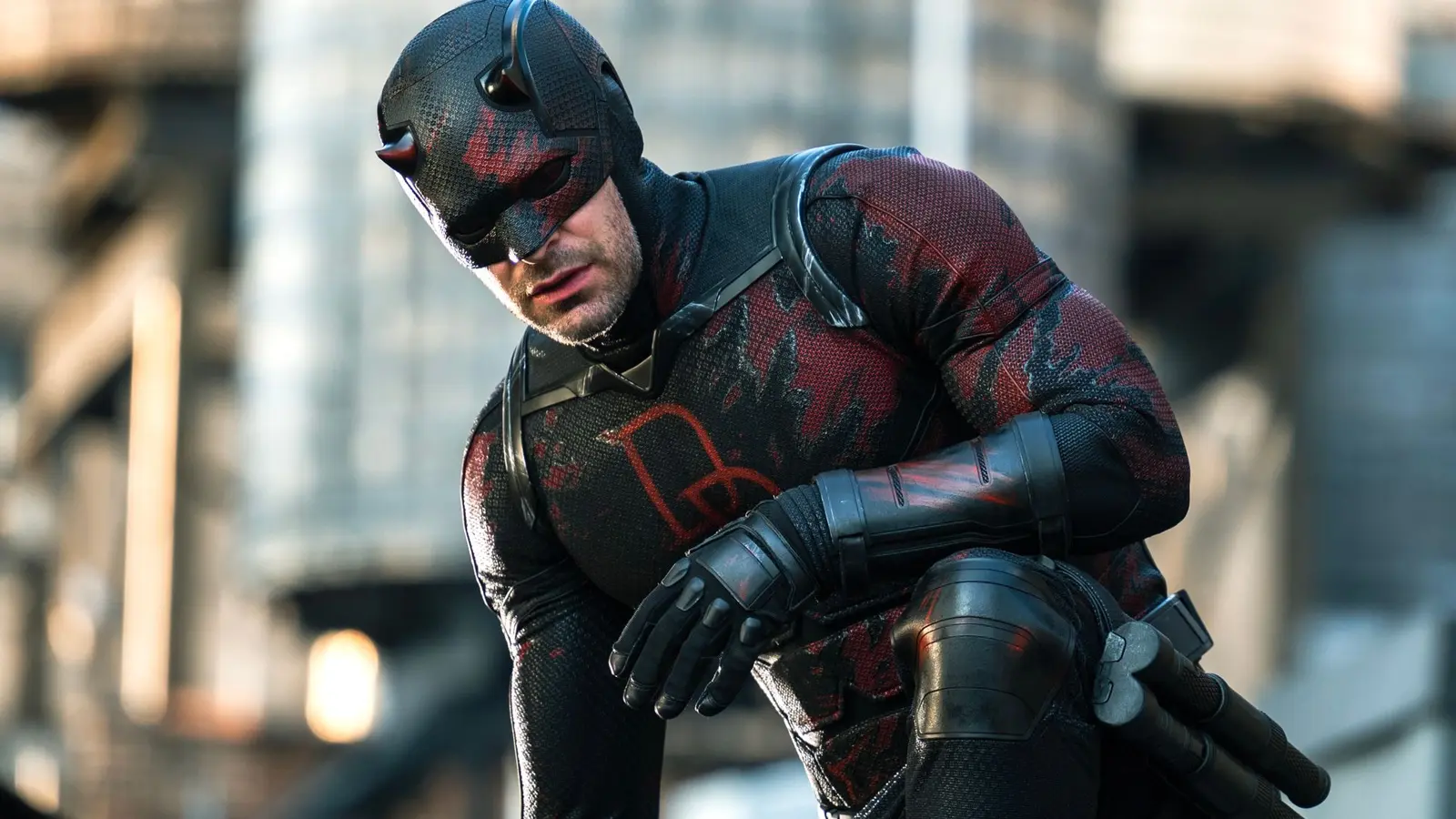 New Daredevil Antagonist Enters MCU Ahead of Born Again Season Three
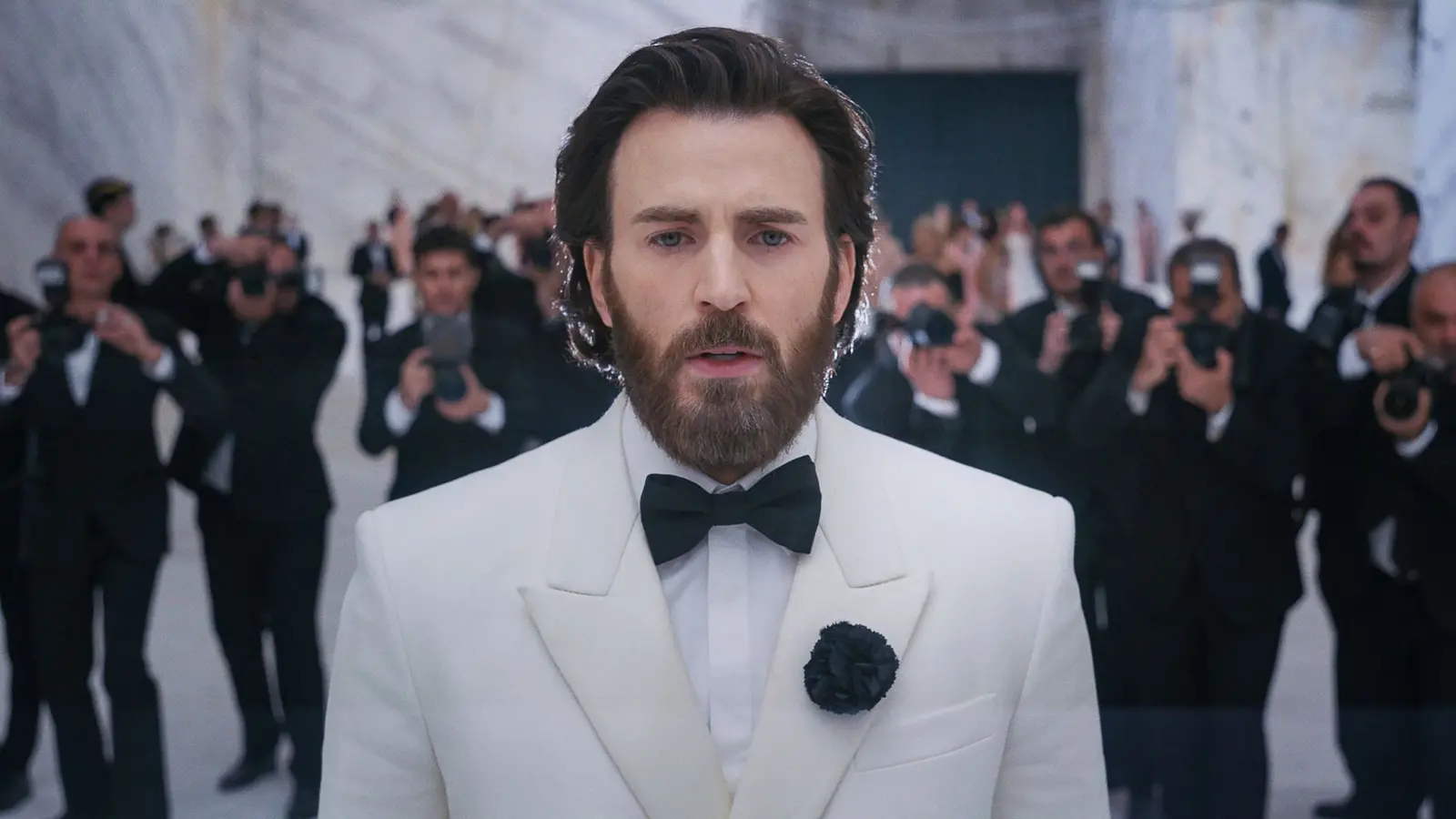 Ben Affleck's Netflix thriller holds strong at No. 1 despite Chris Evans competition
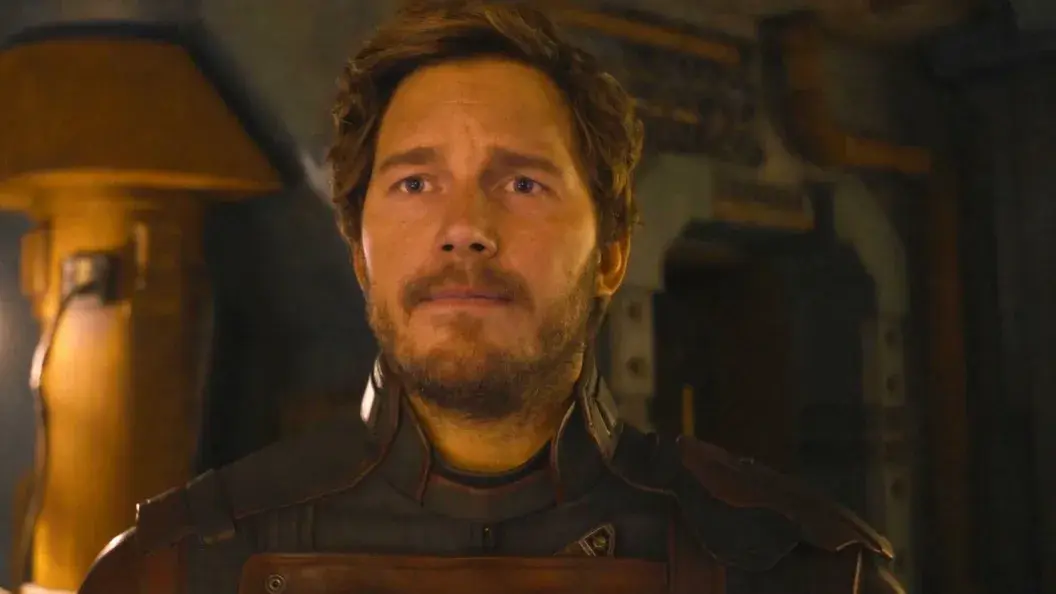 Chris Pratt Hints at Star-Lord's Future After Guardians Vol. 3
 New Harry Potter Book Officially Confirmed for 2027 Release
These trilogies share common strengths: strong character arcs, inventive storytelling, and cultural impact that extends beyond the screen. Their creators balanced ambition with accessibility, allowing each installment to build on the last while inviting new viewers. The selection also reflects a range of genres, proving that the three‑film format can succeed in comedy, sci‑fi, fantasy, and drama alike.
Why Do Audiences Keep Returning? (And What Keeps Them From Hating)
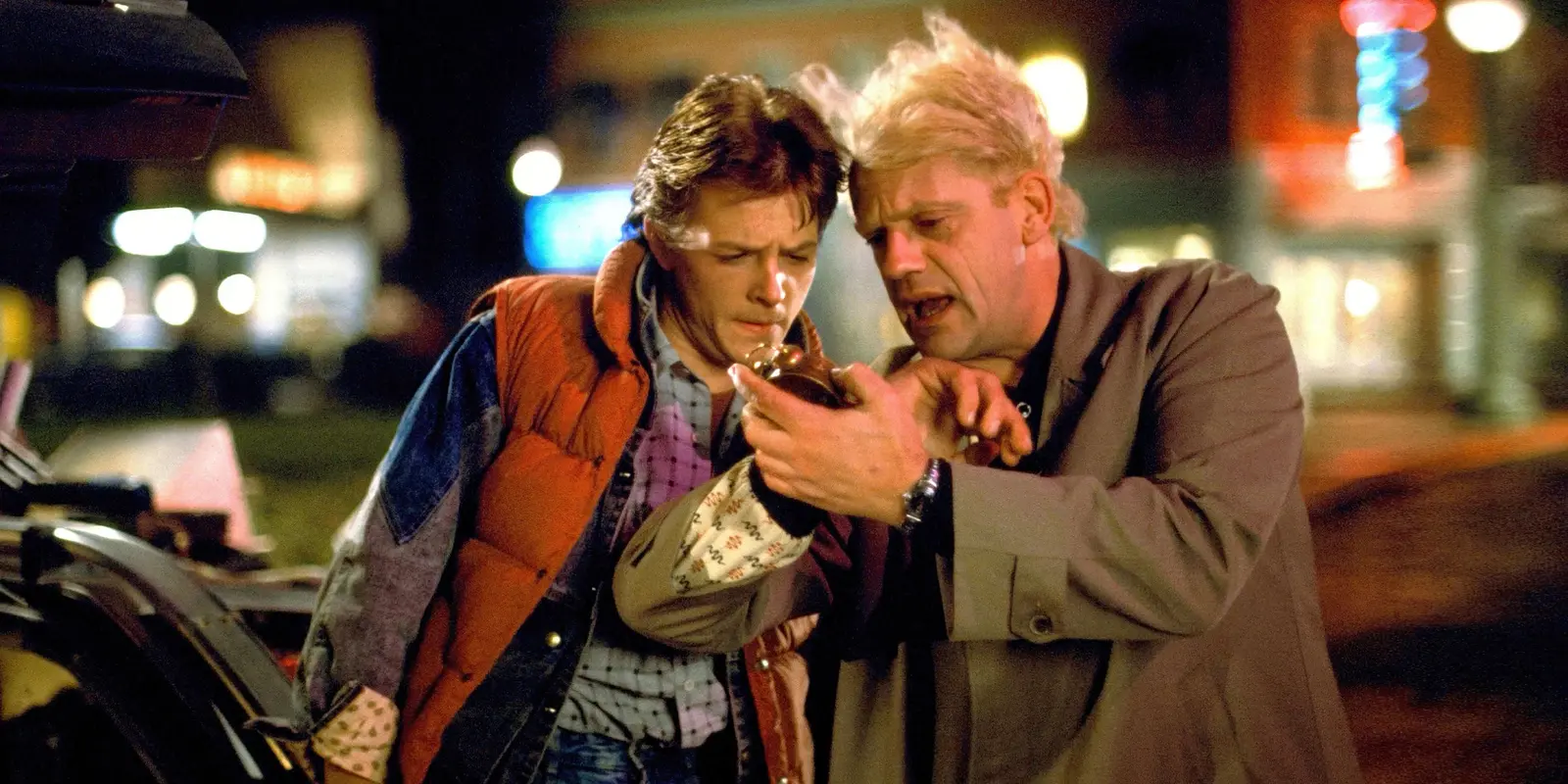
Success often stems from a clear narrative arc that resolves satisfyingly after three acts. „Back to the Future” introduced a charismatic teen, a quirky scientist, and a time‑traveling DeLorean, then expanded the stakes with alternate histories before delivering a heartfelt conclusion. Similarly, „Star Wars” crafted a mythic hero’s journey, deepened the universe with political intrigue, and closed the original saga with redemption and hope. Critics note that each film in these series improves technically and emotionally, creating a cumulative effect that makes the whole greater than the sum of its parts.
Industry data supports the trend: box‑office returns for the second and third entries in these franchises regularly surpass $500 million worldwide, while home‑video sales remain robust years after release. Fan communities keep the conversation alive through conventions, fan fiction, and social media, reinforcing the cultural relevance of each trilogy.
The question of why these trilogies avoid the „hate” trap lies in their balance of familiarity and novelty. Each sequel offers fresh challenges—new villains, evolving relationships, or heightened stakes—while preserving core elements that fans love. For instance, the „Lord of the Rings” trilogy maintained its mythic tone while escalating the scope of battles and moral dilemmas, ensuring viewers felt both comfort and excitement. Moreover, the creators often responded to fan feedback, tweaking tone or pacing to address criticisms before they could fester.
What Does the Future Hold for These Classic Trilogies?
Psychologists suggest that repeated exposure to beloved characters creates a sense of companionship, making negative reactions less likely. When a franchise respects its audience’s intelligence and emotional investment, it builds loyalty that can weather occasional missteps.
As streaming platforms revive interest in classic cinema, these ten trilogies are poised for renewed visibility. Remastered editions, behind‑the‑scenes documentaries, and limited‑time theatrical re‑releases keep them in public discourse. Meanwhile, newer filmmakers cite them as templates for building cohesive multi‑film narratives, indicating that the three‑act structure will continue influencing Hollywood’s storytelling strategies.
Are all the trilogies on the list still popular with younger viewers? Yes; streaming services have introduced them to new audiences, and social media trends often revive interest in iconic scenes and quotes.
Frequently Asked Questions
Did any of the trilogies face major criticism during their runs? A few, such as the final „Matrix” entry, received mixed reviews, but the overall legacy of the series remains positive thanks to the strength of earlier installments.
Will any of these trilogies see official sequels or spin‑offs? While the original trilogies are complete, studios have explored prequels, side stories, or expanded universes, ensuring the worlds remain active in popular culture.