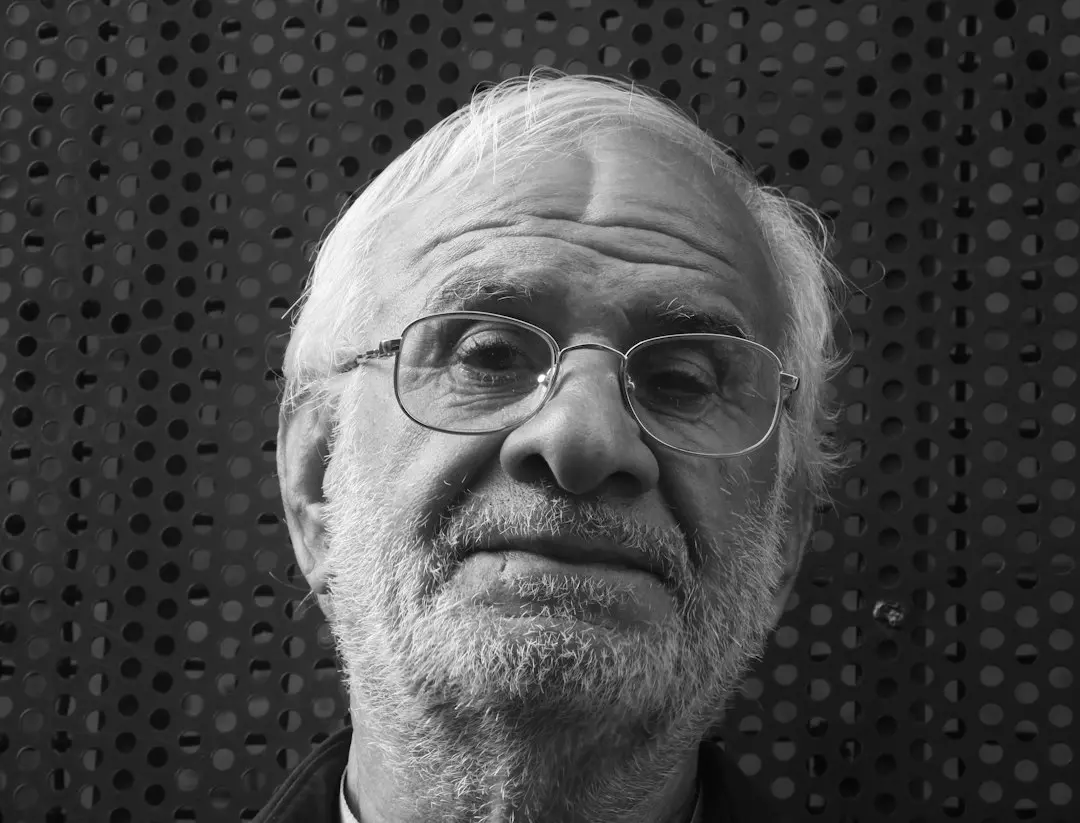
The Negotiator Who Bridged Studios and Screens
Thomas „Thom” Velde, who spent 27 years as the chief film buyer for AMC Theatres, passed away on Oct. 31 in Rancho Mirage, California. He was 83 and surrounded by his family at the time of his death, following a prolonged fight with cancer.
Culture picks
 Star Trek: The Most Quoted Line from the TNG Era
 Avengers: Endgame Encore Tops Streaming Charts Ahead of Doomsday Release
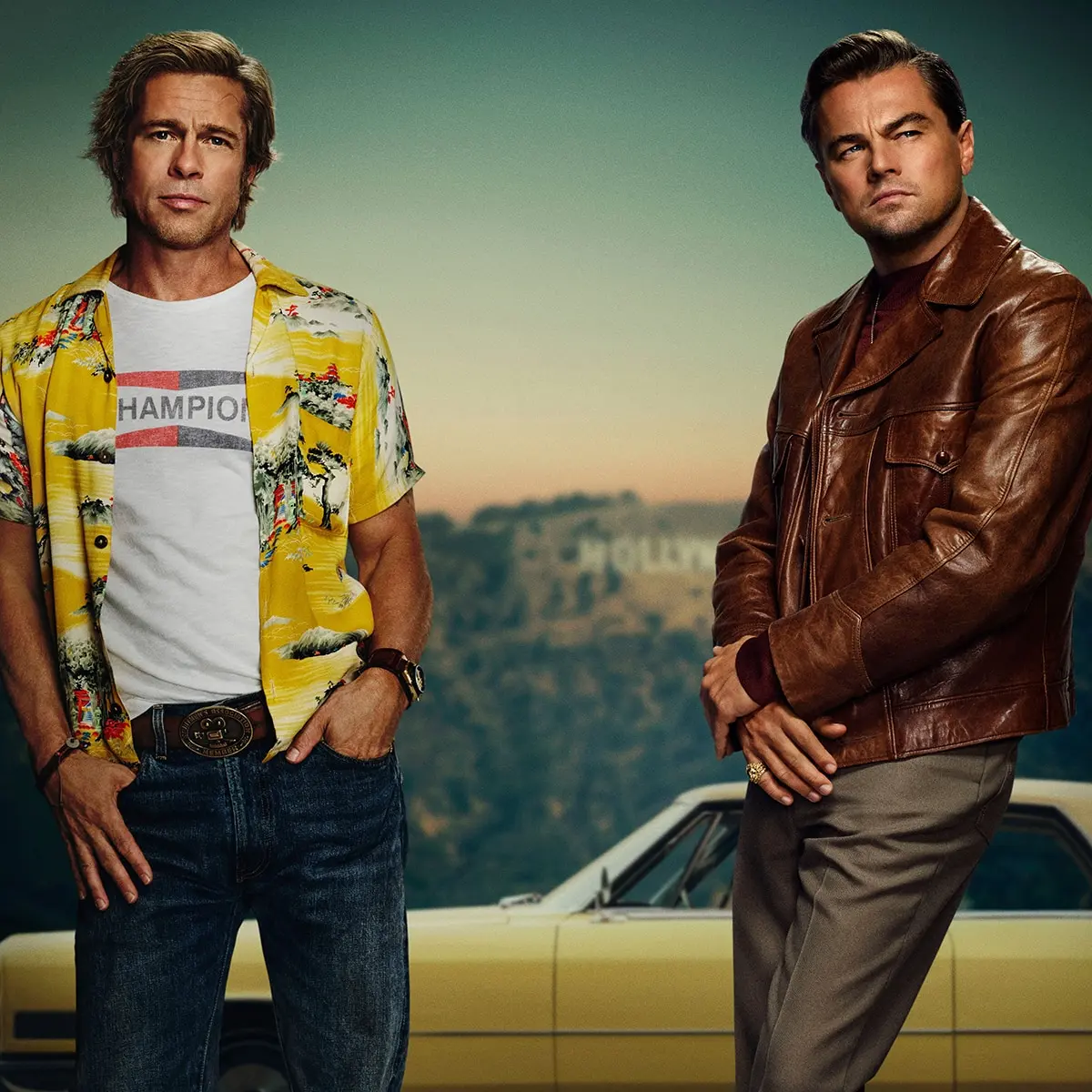 Why Leonardo DiCaprio Skipped Brad Pitt's Cliff Booth Sequel
 Remain trailer reveals a new kind of ghost story from the Sixth Sense director
Velde joined AMC in the early 1990s and quickly became a pivotal figure in the chain’s negotiations with Hollywood studios. His keen eye for market trends and his reputation for fairness helped AMC secure a steady flow of blockbuster releases and independent titles alike. Colleagues credit him with shaping the company’s programming strategy during a period of rapid expansion, when AMC grew from a regional chain into the nation’s largest theater operator.
Velde’s role went beyond simple purchasing; he acted as a liaison between studio executives and theater owners. He was known for his meticulous analysis of box‑office data, often predicting which films would resonate with diverse audiences. His ability to strike balanced deals ensured that AMC could offer a wide slate of movies while maintaining profitable terms for both parties. Former studio partner Lisa Monroe recalled, „Thom had an uncanny sense of what audiences wanted. He negotiated deals that were win‑win, keeping the theaters full and the studios satisfied.”
How Did Velde’s Leadership Shape AMC’s Future?
His influence was especially evident during the rise of digital projection and the shift toward premium formats like IMAX and Dolby Cinema. Velde championed early adoption of these technologies, arguing that they would enhance the cinematic experience and draw larger crowds. Under his guidance, AMC invested heavily in upgrading its venues, a move that paid off as ticket revenues surged in the late 2000s.
Velde’s strategic foresight helped AMC navigate industry upheavals, including the 2008 financial crisis and the streaming boom of the 2010s. By securing flexible licensing agreements, he allowed AMC to experiment with alternative content, such as live sports and concerts, broadening the chain’s appeal. His emphasis on community outreach also led to partnerships with local film festivals, reinforcing AMC’s role as a cultural hub.
Industry analysts note that Velde’s legacy lives on in AMC’s current programming model, which balances blockbuster releases with niche and independent films. „The framework he built is still evident today,” said cinema analyst Raj Patel. „AMC’s ability to adapt to changing viewer habits can be traced back to the foundations he set.”
Velde’s passing marks the end of an era for AMC, but his impact on the theater landscape endures. As the company continues to explore new revenue streams and technology integrations, the principles he championed—data‑driven selection, fair negotiations, and audience focus—remain central to its strategy.
Frequently Asked Questions
What was Thom Velde’s primary role at AMC? He served as the chief film buyer, negotiating licensing agreements with studios and curating the movie lineup for AMC’s theaters nationwide.
How did Velde influence AMC’s adoption of new technologies? He advocated for early investment in digital projection, IMAX, and Dolby Cinema, arguing that premium formats would attract more patrons and boost revenues.
Did Velde’s work affect independent film distribution? Yes, he ensured that AMC allocated screen time for independent and foreign films, helping smaller studios reach broader audiences and enriching the chain’s programming diversity.