Can Redemption be Found in the Darkest of Places?
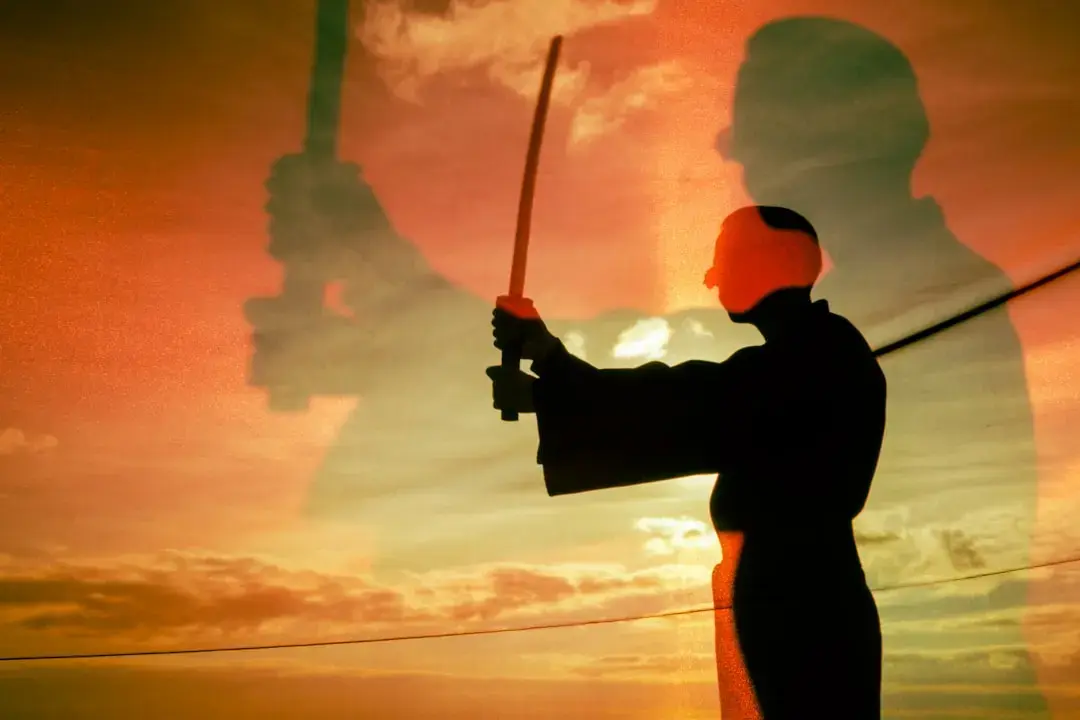
Kiyoshi Kurosawa's latest film is an adaptation of the novel of the same name by Honobu Yonezawa. Set in a small Japanese town, the story revolves around a samurai and a prisoner who embark on a journey of self-discovery and redemption. The film premiered at the 2026 Cannes Film Festival, showcasing Kurosawa's unique storytelling style.
Culture picks
 New Shonen Jump Manga Fixes Long‑Standing Genre Flaw
 Clayface: DCU’s First R‑Rated Horror Film Set to Shock Gotham
 Prime Video Casts Rising Stars Esther McGregor and Emilio Sakraya as Violet and Xaden in New Romantasy Series
 MAMA Awards 2026 Set to Spotlight K‑Pop Powerhouses in Osaka
The film is a slow-burning, atmospheric tale that delves into the complexities of human nature. Kurosawa's direction is meticulous, with every frame carefully crafted to create a sense of tension and unease. The film's pacing is deliberate, allowing the audience to absorb the intricate details of the narrative. As Kurosawa himself has said, I wanted to create a film that would be both new and expansive for me, while also retaining the same level of passion and attention to detail that I'm known for. A World of Intrigue and Suspense
The film's narrative is complex, weaving together themes of crime, redemption, and the human condition. The story follows the samurai and the prisoner as they navigate a treacherous landscape of moral ambiguity. The film's use of long takes and deliberate camera movements adds to the sense of tension and unease, drawing the audience into the world of the film.
The performances of the cast are nuanced and understated, adding to the film's sense of realism. The cinematography is stunning, capturing the beauty and brutality of the Japanese landscape. Kurosawa's use of lighting is masterful, creating a sense of mood and atmosphere that is both haunting and captivating.
Frequently Asked Questions
The film raises questions about the nature of redemption and the possibility of change. Can a person who has committed a terrible crime ever truly be forgiven? The film's answer is complex and nuanced, offering no easy solutions or moral certainties. Instead, it presents a world of ambiguity and uncertainty, where the lines between good and evil are constantly blurred.
As the film comes to a close, the audience is left to ponder the implications of the narrative. Is redemption possible, or is it simply a myth that we cling to in the face of overwhelming adversity? The film offers no easy answers, instead leaving the audience to draw their own conclusions.
Q: What is the novel The Samurai and the Prisonerabout? A: The novel, written by Honobu Yonezawa, is a psychological thriller that explores the complexities of human nature through the story of a samurai and a prisoner.
Q: What is Kiyoshi Kurosawa known for? A: Kurosawa is a prolific film director known for his unique storytelling style, meticulous attention to detail, and ability to create complex, atmospheric films that explore the human condition.
Q: What can audiences expect from The Samurai and the Prisoner? A: The film is a slow-burning, atmospheric tale that delves into the complexities of human nature, raising questions about the nature of redemption and the possibility of change.