The Buzzer as a Symbolic Interruption
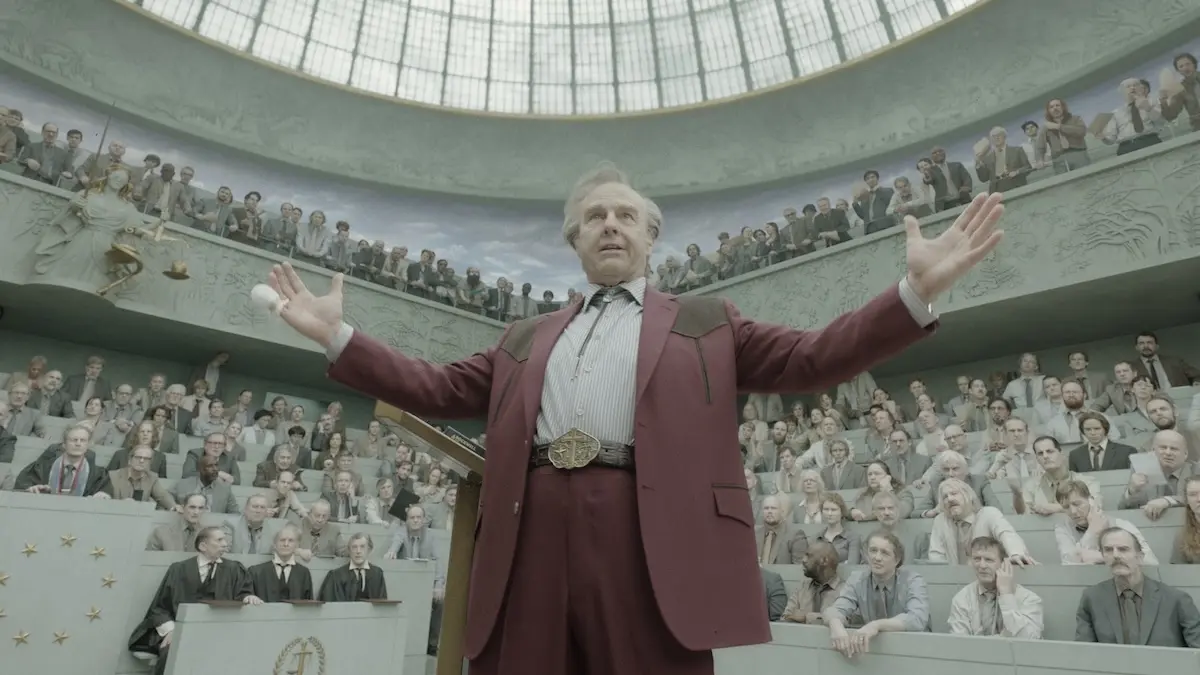
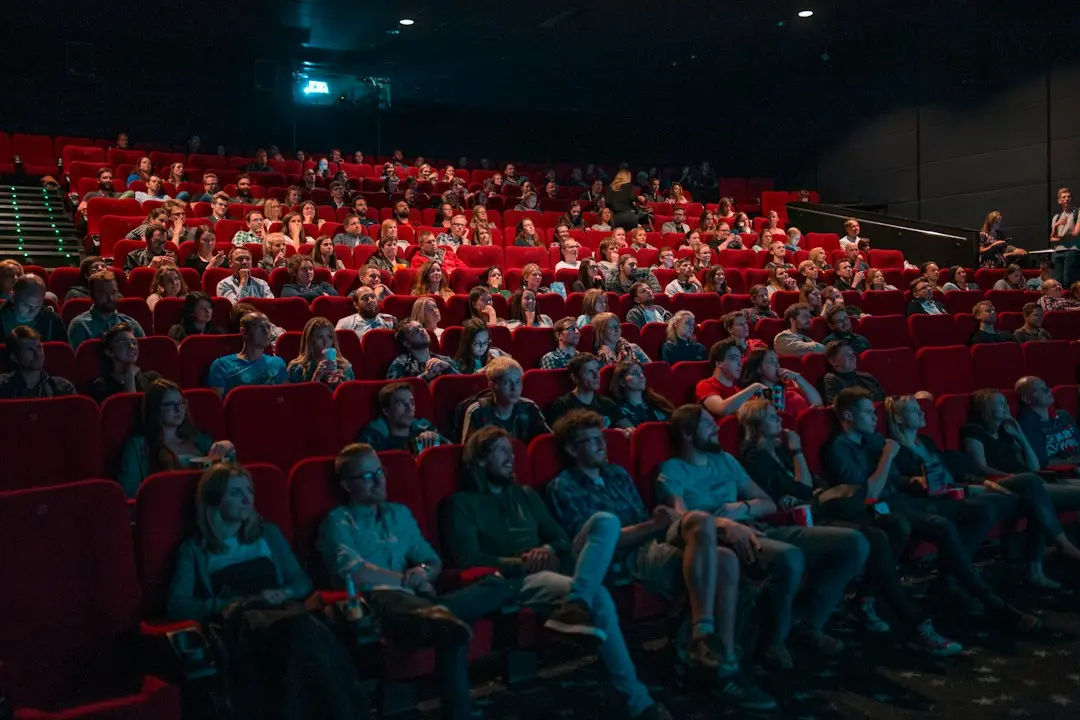
During the closing credits of the film Digger, viewers witnessed an unexpected transition from a cinema to a desolate, post‑apocalyptic street scene. As the audience exits the theater, the background shifts to a bleak urban landscape, accompanied by Melanie’s folk song „What Have They Done to My Song Ma.” The song abruptly stops when a buzzer interrupts, leaving the audience puzzled.
Culture picks
 Terry Pratchett's Fantasy Series Had LOTR-Level Casting
 Stephen King’s Latest Horror Adaptation Dominates Global Streaming Charts
 Superman’s Cinematic Future Mirrors Iconic Sci-Fi Legacy
 Renowned British Author and Politician Jeffrey Archer Dies at 86
The film’s director, Paul Verhoeven, has long been known for embedding subtle commentary in his work. In this instance, the abrupt switch from a normal cinematic experience to a dystopian setting appears to be a deliberate narrative device rather than a conventional sequel tease or Easter egg. The choice of Melanie’s song, a melancholic reflection on cultural loss, underscores the film’s thematic focus on the erosion of identity and community in a fractured world.
The sudden buzzer that cuts off the music can be interpreted as an external force disrupting the fragile remnants of humanity. In cinematic terms, this device signals a rupture between past and future, suggesting that the world depicted in Digger is not merely a backdrop but an active participant in the story. By halting the song, the filmmakers force the audience to confront the silence that follows cultural disintegration, mirroring the film’s exploration of silence in a broken society.
Post‑Apocalyptic Cinema: A New Genre Frontier?
Is Digger setting a new standard for blending traditional storytelling with speculative environments? Critics argue that the film’s seamless transition from theater to dystopia blurs the line between viewer and participant. The audience’s exit from the cinema mirrors the protagonist’s journey out of a safe space into an uncertain reality, inviting viewers to question their own place within a rapidly changing world. This technique may influence future filmmakers to experiment with immersive storytelling that extends beyond the screen.
The unexpected ending leaves audiences with lingering questions about the fate of the characters and the world they inhabit. While the film does not provide a definitive resolution, it invites speculation about whether the post‑apocalyptic streets will become a new setting for future narratives or simply a metaphor for societal collapse.
Frequently Asked Questions
What happens after the buzzer stops the music? The film cuts to a silent, bleak street, leaving the audience to imagine the consequences of the cultural loss depicted in the song.
Is the post‑apocalyptic scene a teaser for a sequel? No, the scene is a self-contained narrative choice intended to emphasize the film’s themes rather than hint at future installments.
Why did the director choose a folk song for the credits? The song’s melancholic tone reflects the film’s exploration of cultural erosion, reinforcing the emotional impact of the transition to a dystopian setting.