The Shift Toward Modern Cynicism
Film noir remains a cornerstone of cinema, blending moral ambiguity with striking visual tension. Over the past eight decades, this genre has evolved from the smoke-filled streets of post-war Hollywood to modern neo-noir masterpieces. These films continue to define the dark, cynical heart of storytelling through complex characters and haunting narratives.
Culture picks
 Aya Nakamura Recognized at Inaugural Billboard France Power Players Event
 Godflesh Concludes a Decades-Long Industrial Legacy With Final Studio Effort
 Pop Icons Madonna and Charli XCX Collaborate on Danceteria Remix
 Sarah Paulson and Ryan Murphy Clash Over American Horror Story Rankings
The genre took root in the 1940s, characterized by stark lighting and fatalistic plots. Classics like The Third Man established the visual language of paranoia and urban decay. These early works relied on shadows to mirror the internal conflicts of their protagonists, setting a standard that filmmakers still emulate today.
As the genre matured, it moved beyond simple detective tropes into deeper psychological territory. Films like Chinatown redefined the noir experience by introducing corruption that reached the highest levels of society. This shift proved that the true danger in noir is rarely just a criminal, but the system itself.
Can Noir Ever Truly Escape Its Dark Roots?
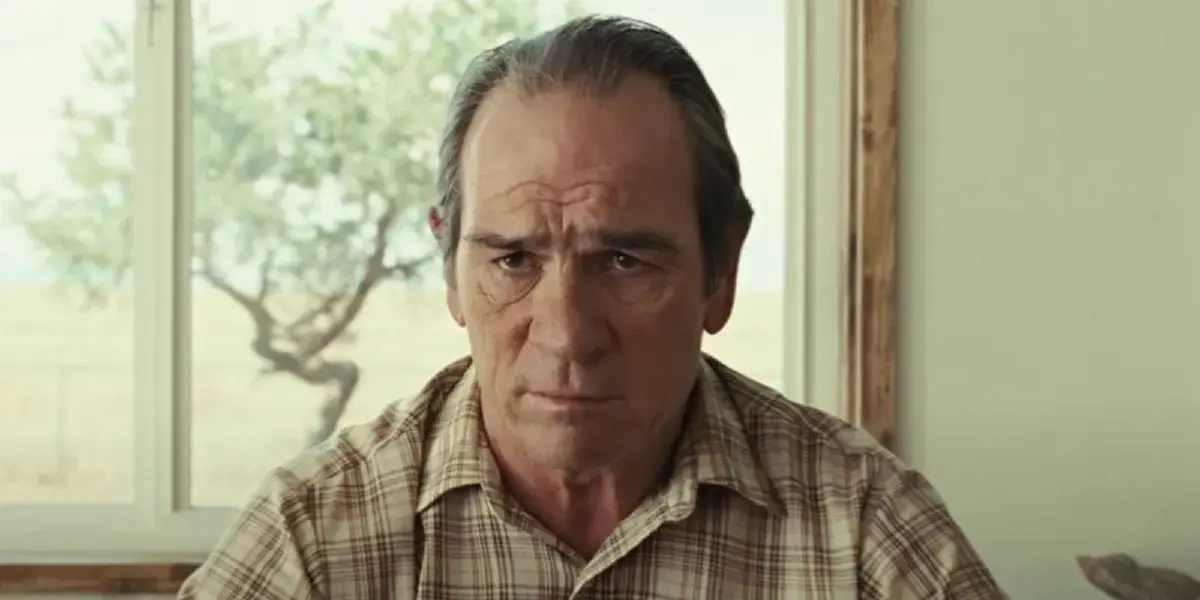
Modern directors have continued to push these boundaries with visceral intensity. No Country For Old Men serves as a prime example of how the genre adapted to the 21st century. By stripping away traditional heroics, these stories force audiences to confront the randomness of violence and the inevitability of fate.
The enduring appeal of noir lies in its unflinching look at human imperfection. Even as settings change from rain-slicked alleys to desolate landscapes, the core themes remain constant. The genre thrives because it reflects our deepest anxieties about justice and the frailty of the human condition.
Frequently Asked Questions
Looking ahead, the influence of noir will likely persist in new forms of visual media. As long as stories explore the gray areas between right and wrong, the spirit of noir will find a home. It remains a vital tool for directors to challenge viewers and expose the shadows of our world.
What defines a classic film noir? Classic noir is defined by high-contrast lighting, cynical protagonists, and complex plots involving crime or betrayal. These films often feature a somber tone and a sense of impending doom.
How does neo-noir differ from the original style? Neo-noir keeps the dark themes and moral ambiguity of the original era but updates the setting and visual style. It often incorporates color and modern social commentary while maintaining the genre’s signature atmosphere.