The Rise of Cinematic Arcs
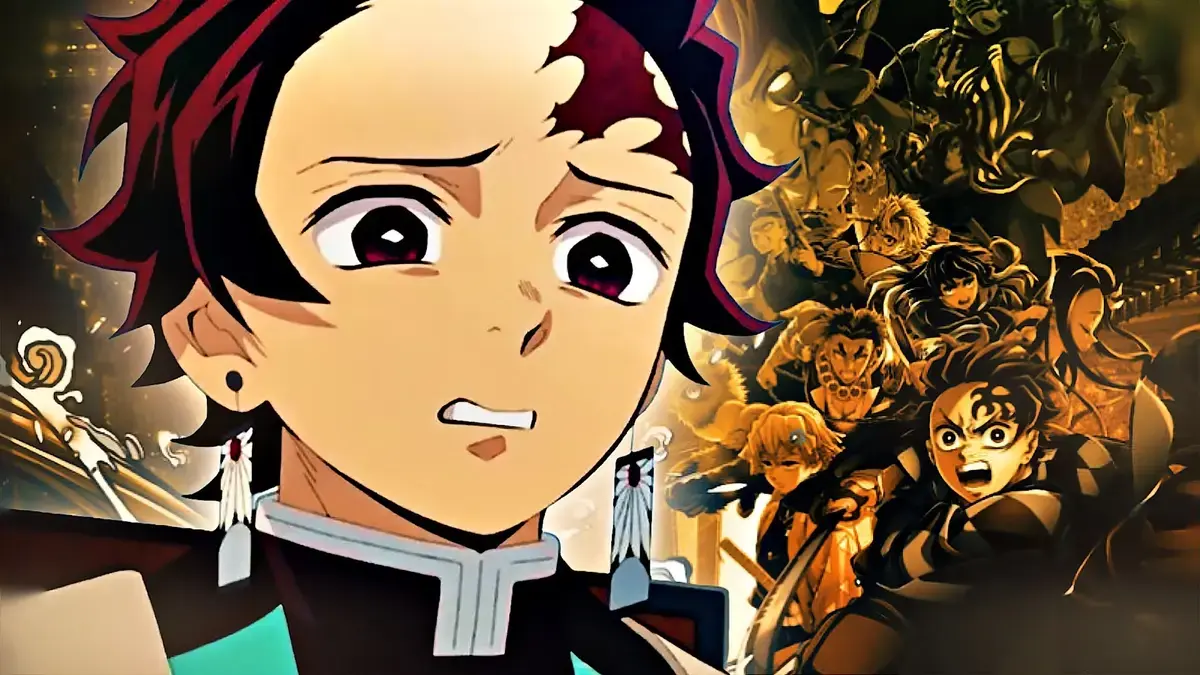
Recent anime blockbusters are creating an unexpected challenge for the industry. While their box office success is undeniable, it has led to a frustrating trend. This phenomenon is particularly evident with the immense popularity of the Demon Slayer franchise.
Culture picks
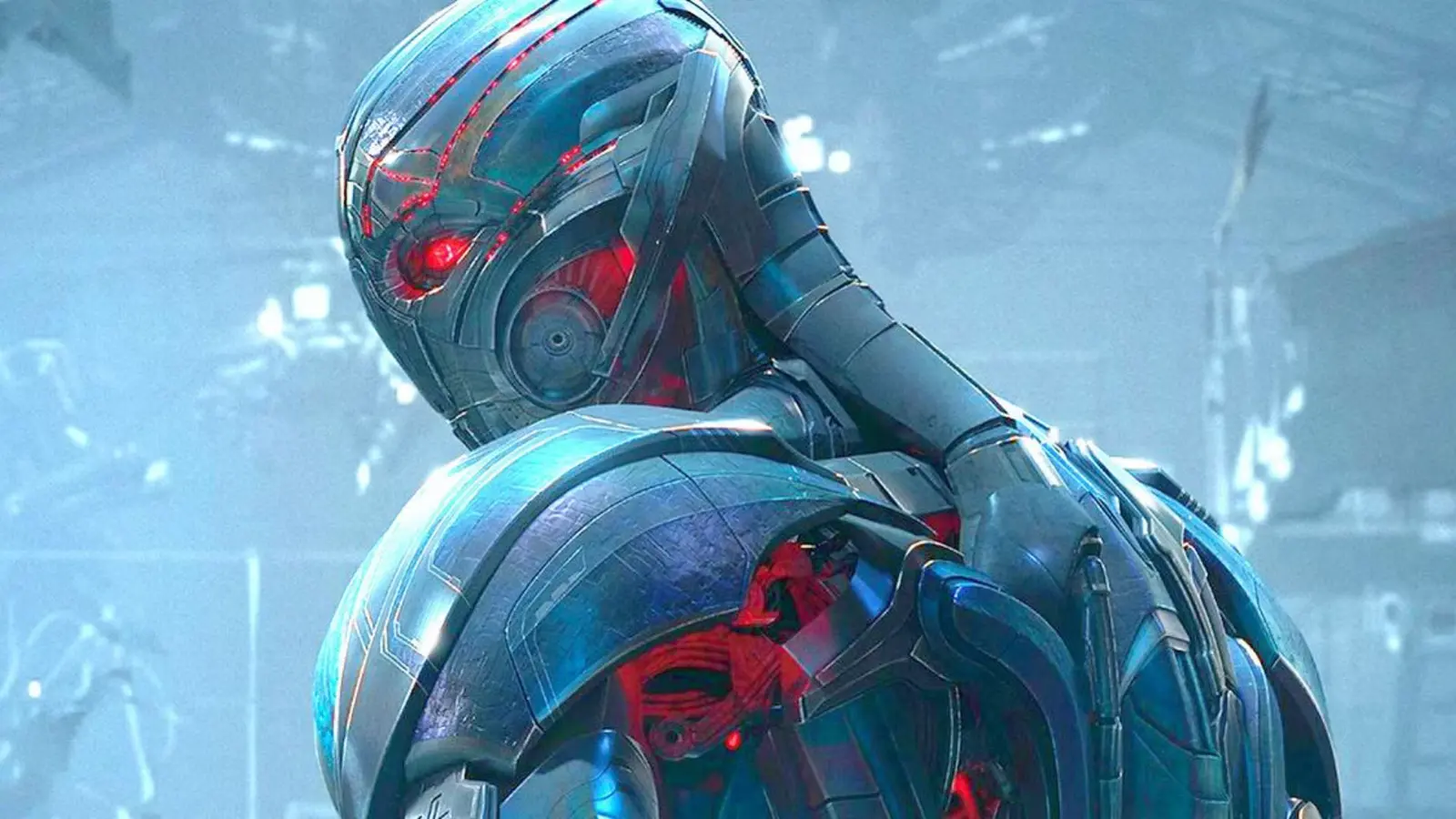 Marvel Studios Announces New Series Set to Follow Avengers: Age of Ultron
 Want to Fight Book Bans? Here’s How to Take Meaningful Action All Year Long
 Dexter: Resurrection Season 2 Set to Return with Krysten Ritter’s Enthusiastic Support
 Nine Actors Who Brought Wednesday Addams to Life, Ranked
The financial triumph of these films, especially Demon Slayer: Mugen Train , set new records. It became the highest-grossing anime film ever. This success, however, has inadvertently changed how anime content is distributed and consumed.
Studios are now adapting popular story arcs directly into feature films. These movies often serve as crucial bridges between television seasons. Fans must see the film to follow the main narrative. This forces viewers into cinemas for essential plot progression.
Is This Trend Sustainable for Fans?
This strategy guarantees high box office returns. It also creates a fragmented viewing experience. Audiences accustomed to streaming entire seasons now face mandatory theatrical visits. This can be inconvenient and costly for many.
The current model prioritizes theatrical revenue over fan accessibility. It risks alienating a significant portion of the audience. Not everyone can easily access cinemas or afford frequent movie tickets. This approach could lead to viewer fatigue and frustration.
The industry needs to find a balance between cinematic releases and accessible television series. Otherwise, the very success of these films could undermine the long-term engagement of anime fans. The future of anime distribution hangs in the balance.
Frequently Asked Questions
What is the main issue caused by recent anime blockbusters? The main issue is that essential story arcs are being released exclusively in cinemas. This forces fans to pay for movie tickets to follow the main plot, disrupting traditional viewing habits.
Which anime franchise exemplifies this problem? The Demon Slayer franchise, particularly with its Mugen Train film, is a prime example. Its record-breaking box office success highlighted this new trend of cinematic story progression.
How does this affect anime fans? It creates a fragmented viewing experience and can be inconvenient. Fans must go to theaters for crucial plot points, which can be costly and less accessible than streaming services.