The Timeless Appeal of Classic Mob Tales
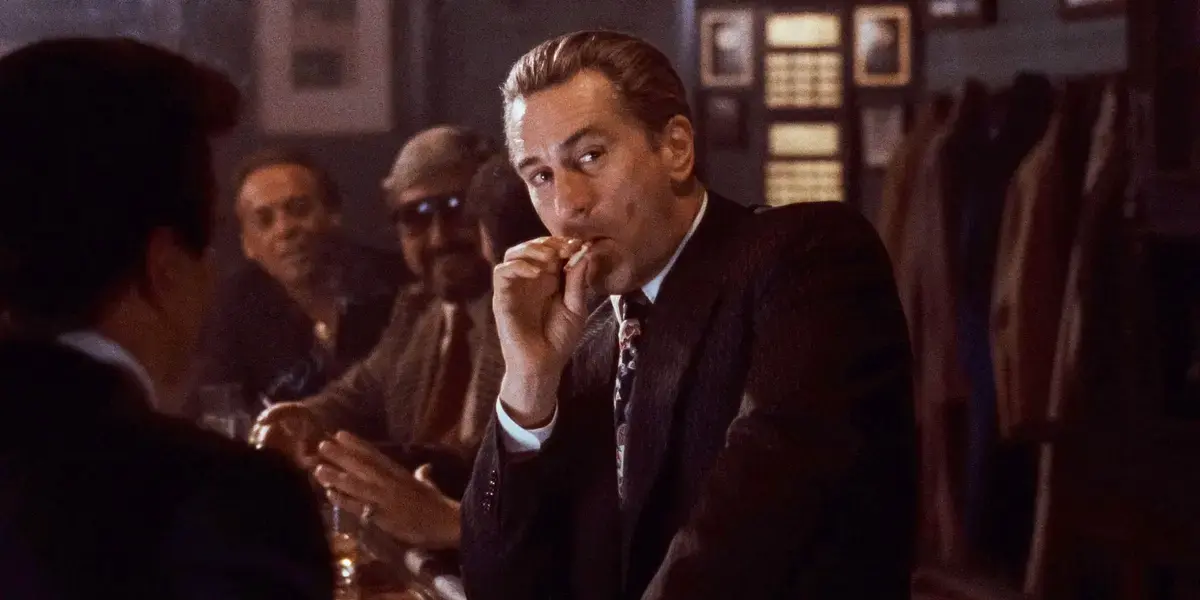
A new ranking of the most influential gangster movies spans more than a century of filmmaking. From early 1930s crime dramas to modern epics, the list highlights titles that defined the genre and inspired countless imitators. Iconic performances, such as Robert De Niro’s Jimmy Conway in Goodfellas, illustrate the lasting power of these stories.
Culture picks
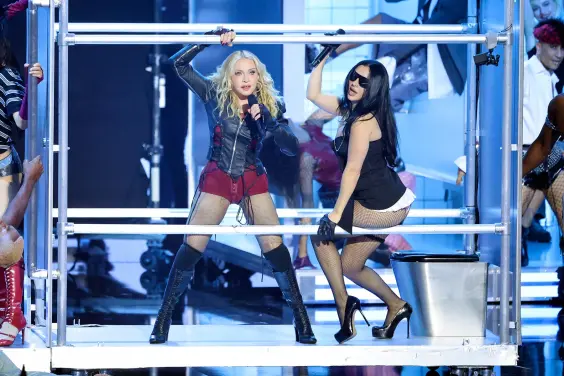 VMAs 2026: Madonna Opens Show with First Performance in 23 Years
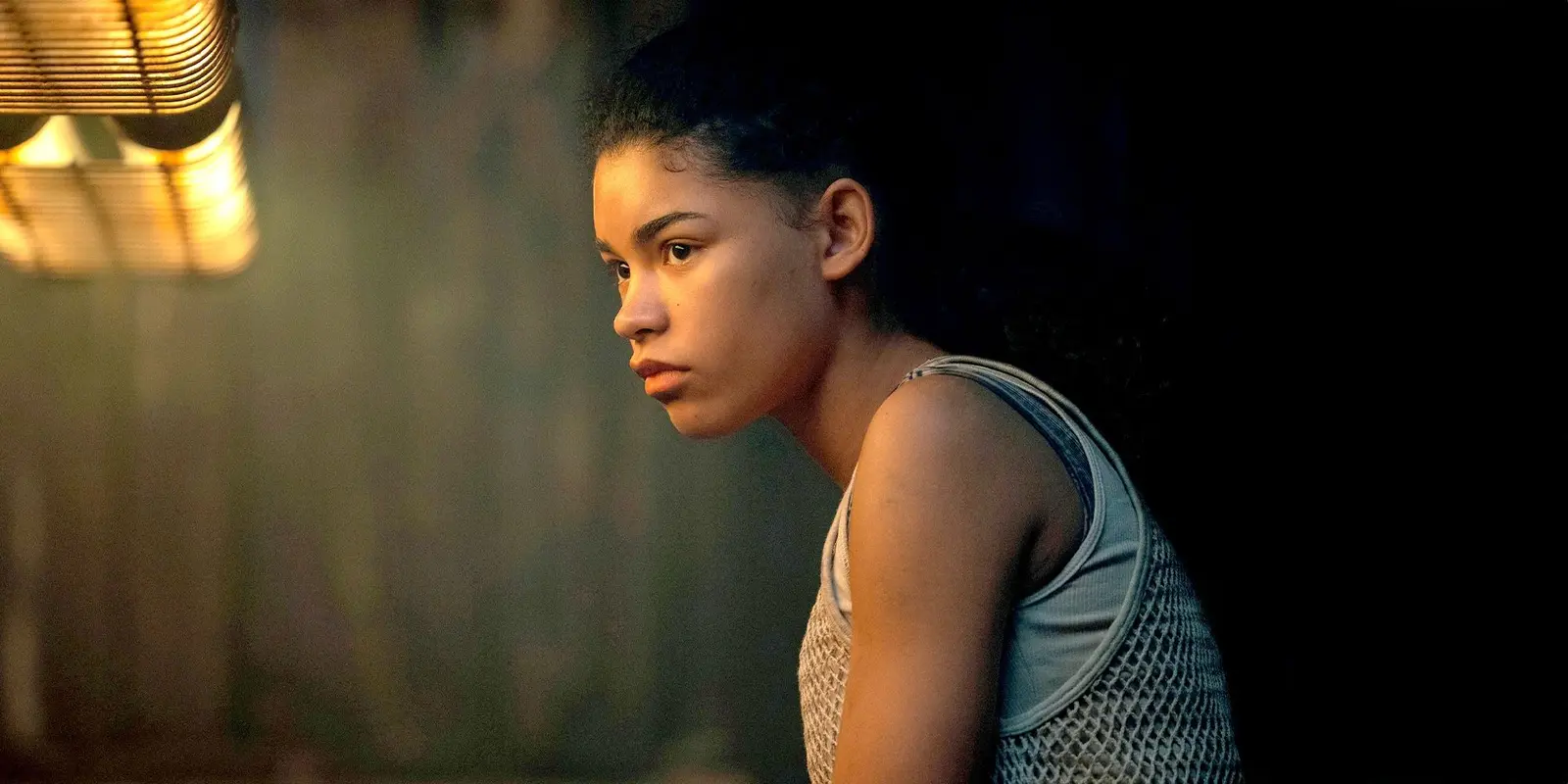 Apple TV+ Announces Official Return of Rebecca Ferguson's Sci-Fi Thriller Silo for Next Year
 The MCU's upcoming X-Men reboot must learn key lessons from X-Men '97 to succeed
 Code Geass Returns After 10 Years With Star Chaser Aspal Series Premiering 2027
The selection criteria focused on cultural impact, critical acclaim, and narrative innovation. Critics noted how each film reshaped audience expectations of violence, loyalty, and ambition. Many of the entries also introduced groundbreaking cinematography and music that still echo in contemporary productions. The list serves as a guide for both longtime fans and newcomers seeking the genre’s essential works.
Early gangster pictures like Little Caesar, The Public Enemy, and the 1932 version of Scarface set the template for organized‑crime storytelling. Their stark black‑and‑white visuals emphasized moral ambiguity and the rise‑and‑fall arc of ambitious criminals. Audiences were drawn to the raw depiction of power struggles, while studios capitalized on the sensationalism of real‑world headlines.
Why Do Modern Audiences Flock to Contemporary Crime Epics?
These films also pioneered narrative techniques that later directors would refine. For example, the use of voice‑over narration in Scarface created an intimate connection between the audience and the protagonist’s inner thoughts. The gritty realism of The Public Enemy inspired future filmmakers to portray the underworld with unflinching honesty, establishing a legacy that persists in modern cinema.
Recent entries such as Goodfellas, The Irishman, and City of God demonstrate the genre’s evolution toward complex character studies. Directors now blend historical detail with sophisticated storytelling, offering viewers a more nuanced look at organized crime. De Niro’s cigarette‑laden bar scene in Goodfellas, for instance, captures both tension and camaraderie in a single, unforgettable moment.
Streaming platforms have also broadened access, allowing new generations to discover classic and contemporary gangster films alike. The rise of binge‑watch culture encourages viewers to explore entire filmographies, deepening appreciation for the genre’s development. Moreover, star‑studded casts and high‑budget productions attract audiences seeking both entertainment and artistic merit.
The continued relevance of gangster movies signals a broader fascination with power dynamics and moral conflict. As filmmakers experiment with perspective and style, the genre is poised to remain a staple of cinematic storytelling for years to come.
Frequently Asked Questions
What criteria determine a film’s place on the top‑ten list? Films are evaluated on cultural influence, critical reception, narrative originality, and lasting impact on subsequent cinema.
Why do gangster movies remain popular across decades? They explore universal themes of ambition, loyalty, and betrayal, resonating with audiences regardless of era or setting.
How have modern technologies changed the way these films are consumed? Streaming services provide instant access, enabling viewers to explore both classic and new entries without geographic constraints.