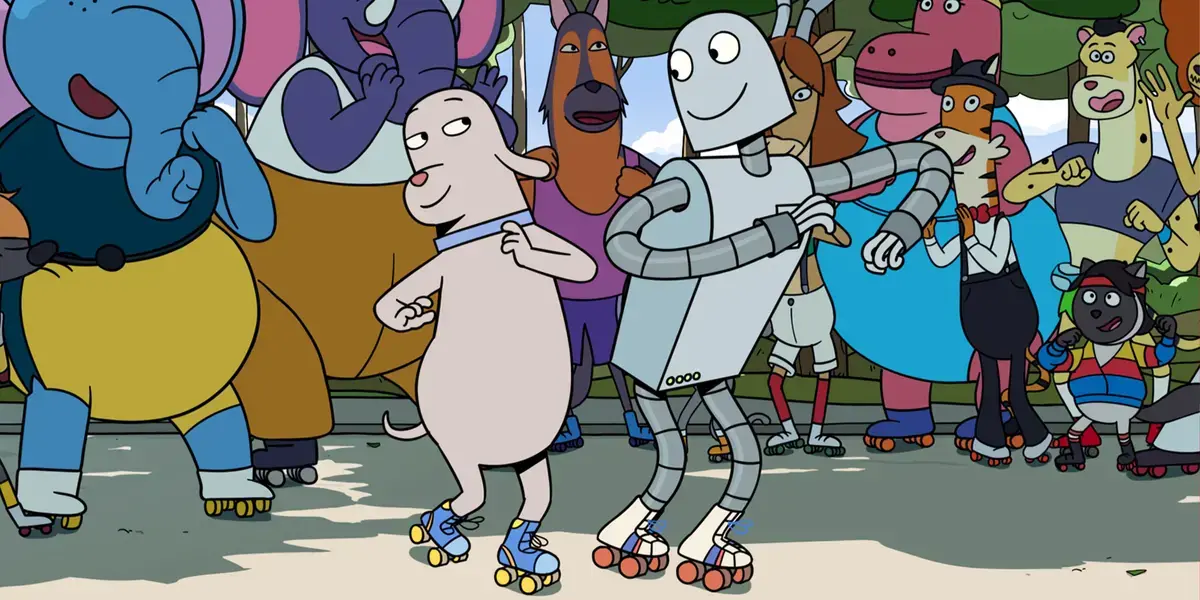
Why These Films Capture the Power of Friendship
Animated comedies that focus on friends have dominated the box office for decades, drawing audiences worldwide. From the bustling streets of Zootopia to the magical deserts of Aladdin, these films blend humor with heart, delivering stories that resonate across ages. Released between the late 1990s and the present, each title showcases a unique bond that drives the plot forward.
Culture picks
 Bill Burr Confronts the Tech Elite in The Social Reckoning
 Blumhouse Boss Discusses Controversial Titles and Sequels
 Danny Trejo Addresses Backlash Over Daily Wire Film Role
 World Trigger Volume 30 Claims Top Spot on Japan's Book Chart
These movies succeed because they pair witty dialogue with vivid animation, allowing friendships to blossom in unlikely settings. Directors often use colorful worlds to mirror the emotional journeys of their characters, turning simple jokes into lessons about loyalty, trust, and growth. Critics praise the balance of slapstick humor and sincere moments, noting that the best titles keep viewers laughing while reflecting on the value of companionship.
The core of each story rests on characters who start as strangers or rivals and evolve into steadfast allies. In „Zootopia,” Judy Hopps and Nick Wilde overcome prejudice, proving that trust can bridge any divide. „Aladdin” pairs a street‑wise hero with a loyal monkey, illustrating that true friends support daring dreams.
What Elements Turn an Animated Comedy Into a Friendship Classic?
Animation amplifies these bonds, using visual cues like shared colors or mirrored movements to signal connection. Audiences respond to the authenticity of the relationships, often recalling personal experiences with friends. The humor arises naturally from the characters’ interactions, making the comedy feel earned rather than forced.
A memorable friendship comedy hinges on three ingredients: relatable conflict, complementary personalities, and a shared goal. Conflict sparks the narrative; whether it’s a race against time or a battle against a villain, the stakes keep the duo engaged. Complementary traits—such as a cautious planner paired with a reckless dreamer—create dynamic chemistry that fuels jokes and growth.
The shared goal unites the pair, driving the plot toward resolution. In „Toy Story,” Woody and Buzz must work together to return home, while „The Incredibles” reunites a family of heroes to defeat a common foe. This purpose gives the friendship a tangible direction, allowing humor to emerge from the characters’ attempts to achieve it.
Looking ahead, studios continue to invest in stories that celebrate camaraderie, recognizing that audiences crave both laughter and emotional depth. As technology advances, future animations may explore even richer visual storytelling, but the timeless appeal of friends navigating challenges will remain the genre’s backbone.
Frequently Asked Questions
Which animated comedy best illustrates the transformation from rivalry to friendship? „Zootopia” stands out, as the partnership between a rookie rabbit officer and a sly fox evolves from suspicion to deep mutual respect, driving both humor and plot.
Do these films rely more on slapstick or character development? While slapstick provides immediate laughs, lasting impact comes from character development; the most celebrated titles blend both, ensuring jokes support, rather than replace, emotional arcs.
Can a friendship‑focused animated comedy succeed without a human protagonist? Yes. Films like „Finding Nemo” and „Monsters, Inc.” center on non‑human characters whose bonds drive the story, proving that the theme transcends species and appeals universally.