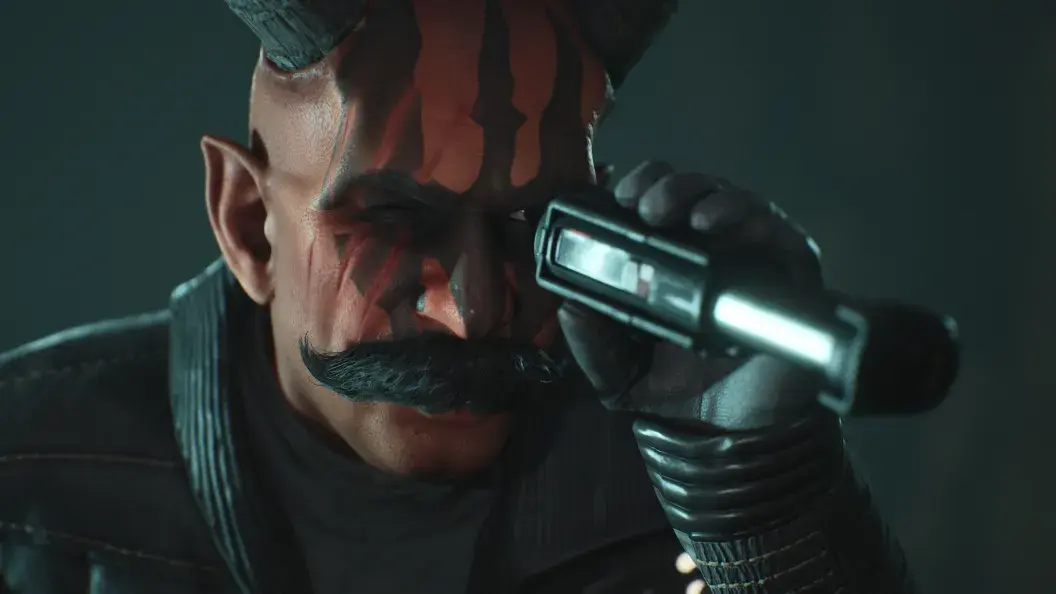
The Psychology of Self-Perceived Righteousness
In the sprawling universe of superhero cinema, a distinct trend has emerged where antagonists view themselves as the protagonists. These characters do not see themselves as mere obstacles to the hero’s journey. Instead, they possess a deep-seated conviction that their actions are justified, necessary, or even benevolent. This psychological complexity adds layers to the narrative, challenging the traditional binary of good versus evil.
Culture picks
 New Shonen Jump Manga Fixes Long‑Standing Genre Flaw
 Clayface: DCU’s First R‑Rated Horror Film Set to Shock Gotham
 Prime Video Casts Rising Stars Esther McGregor and Emilio Sakraya as Violet and Xaden in New Romantasy Series
 MAMA Awards 2026 Set to Spotlight K‑Pop Powerhouses in Osaka
The phenomenon is particularly evident in recent blockbusters. Take Erik Killmonger from Black Panther . Michael B. Jordan’s portrayal of this character redefined the role of the villain. Killmonger did not seek power for its own sake; he sought to correct historical wrongs. His plan to use Wakanda’s resources to liberate oppressed people worldwide made him a sympathetic figure. Many viewers found themselves rooting for him against T’Challa, the established hero. This shift in audience perception highlights how modern storytelling blurs the line between antagonist and protagonist.
These characters often operate under a specific moral framework. They believe the current status quo is broken or unfair. Consequently, they feel compelled to fix it, even if their methods are drastic. In The Dark Knight , the Joker’s chaos was intended to reveal the fragility of Gotham’s order. He saw himself as a liberator from societal constraints. Similarly, Thanos in Avengers: Infinity War viewed his genocidal plan as a mercy. By halting population growth, he believed he was saving the universe from resource depletion. His calm demeanor and logical arguments made his terrifying goal seem reasonable to many fans.
Why Audiences Root for the Bad Guy
This self-perception creates dramatic tension. The hero must confront not just a physical threat, but an ideological one. The villain’s confidence in their own righteousness makes them dangerous. They rarely hesitate because they doubt their mission. This certainty drives the plot forward and forces the hero to question their own assumptions. It transforms the conflict from a simple battle into a philosophical debate about what constitutes justice.
Viewers are drawn to these complex antagonists because they reflect real-world frustrations. When a villain articulates a grievance that feels valid, audiences empathize. They recognize the pain or logic behind the character’s actions. For instance, Magneto in the X-Men films advocated for mutant supremacy after centuries of human persecution. His harsh tactics were born from trauma and fear. This background story humanizes the character, making their eventual defeat bittersweet rather than purely triumphant.
Frequently Asked Questions
The success of these narratives suggests a change in viewer expectations. Modern audiences crave nuance. They prefer villains who have a point over those who are simply malicious. This trend encourages writers to craft deeper backstories and motivations. It moves beyond the trope of the evil mastermind seeking world domination for no reason. Instead, we see characters fighting for causes they genuinely believe will improve the world, even if the outcome is catastrophic.
Why do some villains believe they are the heroes? They often perceive the existing order as flawed or unjust. Their actions are driven by a desire to correct perceived wrongs, leading them to view their methods as necessary sacrifices for a greater good.
How does this affect the main hero? It forces the hero to confront their own beliefs and biases. The conflict becomes less about physical strength and more about ideological compatibility, requiring the hero to prove their path is superior through action and empathy.