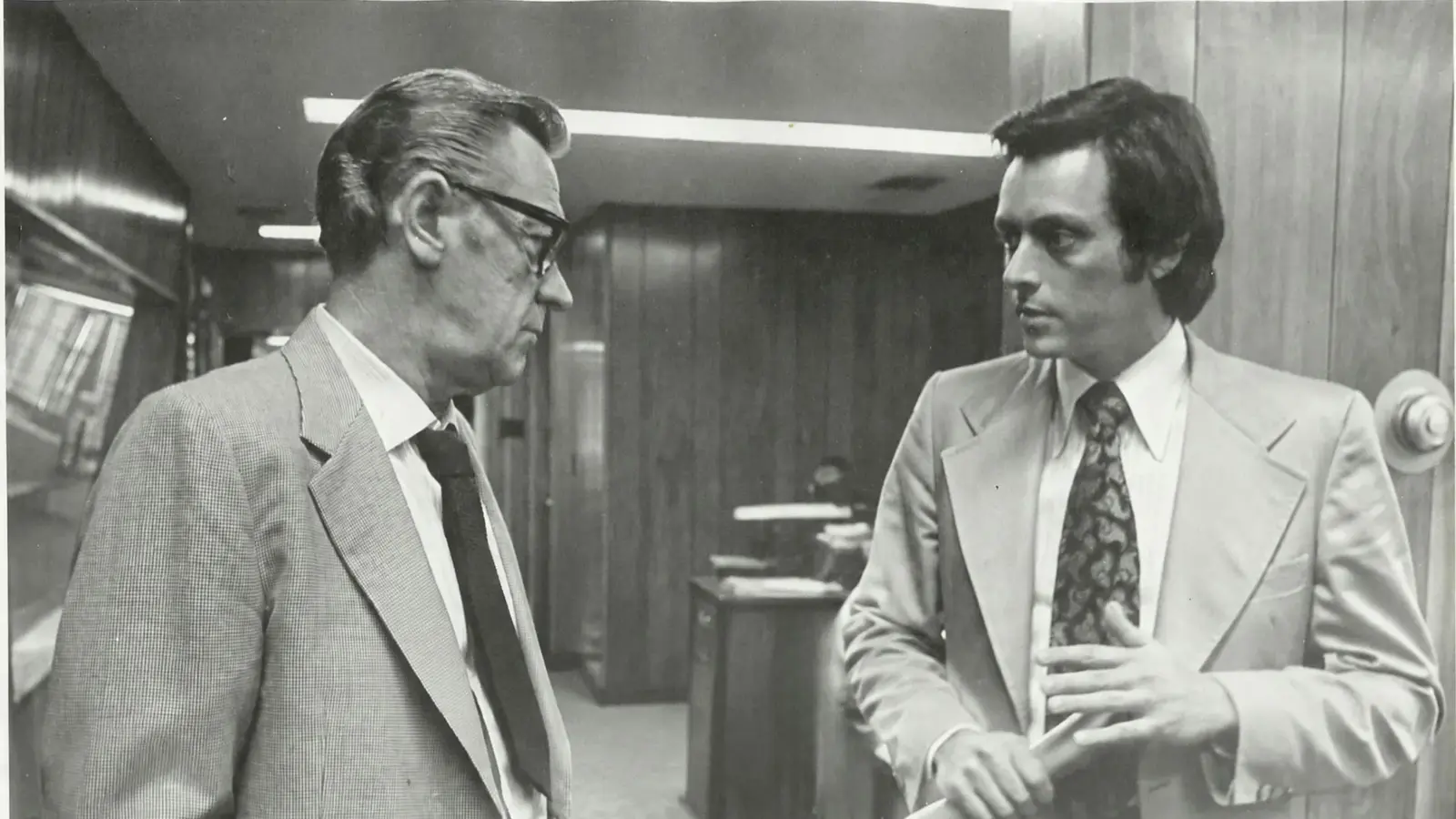
How Carbone Redefined Agent Responsibilities in Hollywood
Stephen Carbone, a pioneering entertainment agent whose half-century career shaped the commercial strategies of major talent agencies, passed away on August 28 at the age of 84. His daughter Stephanie confirmed to Deadline that he died from cholangiocarcinoma, a rare and aggressive form of bile duct cancer. Carbone had led the commercial divisions at both ICM Partners and later Creative Artists Agency, where he became known for his innovative approach to branding and dealmaking in film, television, and music.
Culture picks
 Crystal Harris Urges Jessica Biel to Decline Role as Hugh Hefner’s Wife
 Ben Affleck Struggles in Netflix’s Latest Crime Thriller Animals
 X‑Men '97 Returns with Deadpool and She‑Hulk in Season 3
 Dungeon Crawler Carl Expands at New York Comic Con with New Plushies and Figures
Carbone began his career in the 1970s and quickly rose through the ranks by focusing on the business side of entertainment long before it became a central focus for agencies. At ICM, he helped build one of the first dedicated commercial units, negotiating endorsement deals and partnership strategies for top-tier clients. His move to CAA in the 1990s marked a shift toward integrating advertising and corporate partnerships into talent representation, a model now standard across the industry. Colleagues described him as a quiet strategist who preferred results over publicity, often working behind the scenes to secure lucrative, long-term alliances.
What Legacy Does He Leave Behind for Modern Representation?
Unlike traditional agents focused solely on securing film or television roles, Carbone expanded the agent’s role to include brand alignment, product integration, and corporate sponsorship. He was instrumental in early deals that paired musicians with beverage companies and actors with tech brands, laying groundwork for today’s influencer-style partnerships. His approach emphasized mutual value—ensuring clients gained financial benefit while brands received authentic representation. This philosophy helped shift Hollywood’s perception of commercial work from a side activity to a core component of an artist’s career trajectory.
Carbone’s influence is evident in how agencies now structure their commercial divisions, with dedicated teams handling everything from social media campaigns to global brand ambassadorships. His belief that an agent should act as a full-spectrum strategist anticipated the rise of 360-degree representation models. Industry veterans note that his emphasis on discretion and long-term planning set a tone of professionalism that contrasted with more transactional approaches. His death marks the end of an era in which a single visionary could help reshape an entire sector of the entertainment business through quiet, persistent innovation.
Frequently Asked Questions
What made Stephen Carbone’s approach different from other agents of his time? Carbone focused on the commercial and strategic side of representation long before it became standard, building dedicated units for endorsements and partnerships at both ICM and CAA, and treating branding as integral to an artist’s career rather than a secondary pursuit.
How did his work influence today’s entertainment industry? His pioneering efforts in integrating corporate partnerships into talent representation helped establish the 360-degree model now used by major agencies, where agents oversee film, TV, music, endorsements, and digital strategy as interconnected elements of a client’s brand.