Why the Quiet Scene Matters More Than the Action
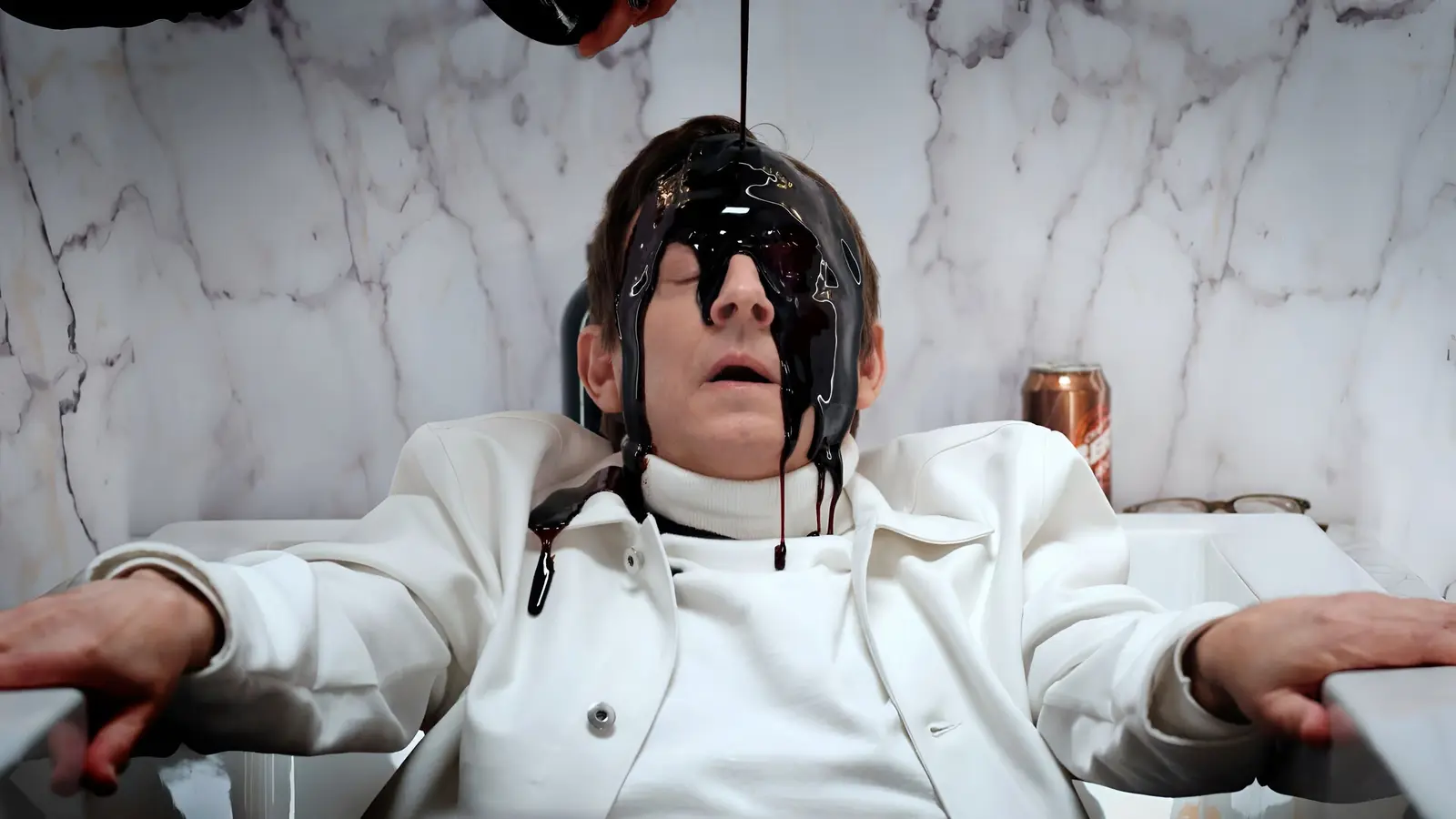
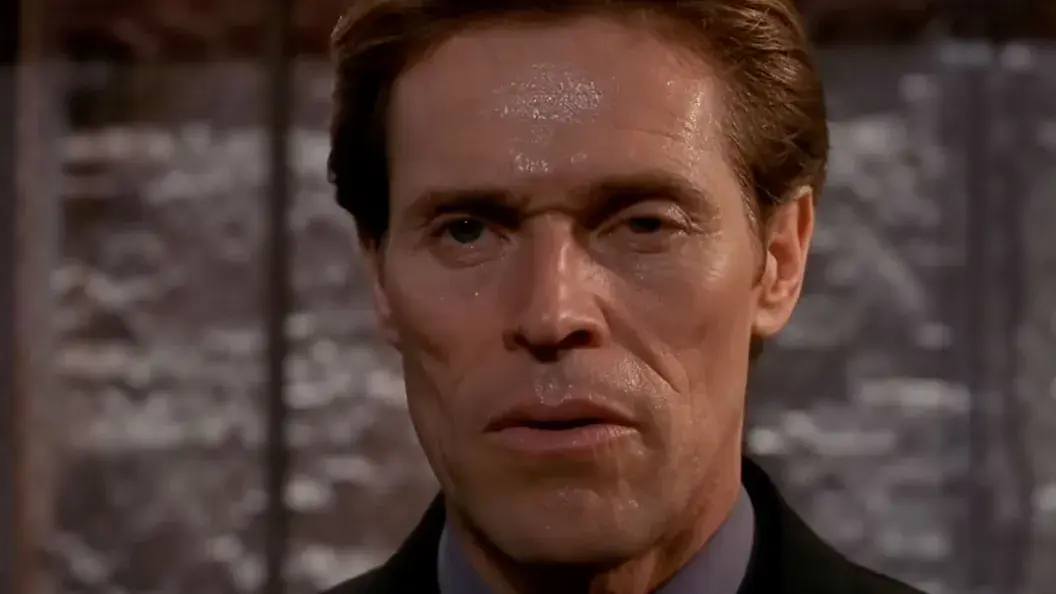
Sam Raimi’s 2002 Spider-Man is packed with signature superhero moments. The Green Goblin wreaks havoc across New York. Peter Parker swings between skyscrapers. Willem Dafoe delivers one of Marvel’s most cunning villain performances. Yet the film’s emotional core hides in a quiet hallway conversation.
Culture picks
 Co-Showrunner Reveals How Audra McDonald Planted the Broom Jump Conflict
 Aaron Pierre takes lead role in Netflix action thriller
 Brittany Mahomes Attends Chiefs Game After Announcing Pregnancy
 Forget Game of Thrones: 10 Fantasy Series With Perfect Final Seasons
The scene in question is Peter’s talk with Aunt May after he defeats the Goblin. No explosions. No costume changes. Just two people in a dimly lit room, processing loss and responsibility. Peter finally tells May the truth about his powers. May’s reaction—shock, pride, and grief—anchors the film’s human stakes.
Superhero films often bury their emotional weight under spectacle. Raimi understood that audiences connect with vulnerability, not just pyrotechnics. The hallway scene gives Peter a reason to keep swinging. It transforms him from a guy in a suit into a person carrying a secret.
Does the Film Rely Too Much on Action?
Critics and fans consistently cite this moment as the film’s turning point. It shifts the story from a monster-of-the-week plot to a character study. The action scenes set the stage, but the conversation delivers the theme.
Not at all. The balance is deliberate. Raimi uses the big set pieces to build tension, then releases it in the quiet moments. This pacing keeps the film from feeling like a highlight reel. The hallway scene proves that a superhero movie can be intimate without losing its scale.
The approach influenced later entries in the franchise. Directors followed Raimi’s lead, pairing spectacle with grounded character beats. The result is a film that respects both the genre’s expectations and the audience’s emotional needs.
Frequently Asked Questions
What is the most important scene in Spider-Man (2002)? The hallway conversation between Peter Parker and Aunt May after the Green Goblin fight. It reveals Peter’s secret and establishes the film’s emotional core.
Why is this scene more significant than the action sequences? It provides the character motivation that makes the action meaningful. Without it, the explosions lack emotional weight.
How did this scene influence later superhero films? It demonstrated that quiet character moments can outshine spectacle. Later directors adopted this balance of action and intimacy.