
Literary Roots of Cinematic Darkness
Seven specific novels form the backbone of classic film noir literature. These works include Double Indemnity, L. A. Confidential, Farewell, My Lovely, and The Maltese Falcon. They serve as critical reading for any fan of the genre. The list highlights foundational texts that shaped cinematic history. These stories define the dark, cynical tone of mid-century cinema. Readers gain insight into the origins of iconic movie plots. The selection bridges the gap between page and screen.
Culture picks
 Marvel Studios Announces New Series Set to Follow Avengers: Age of Ultron
 Want to Fight Book Bans? Here’s How to Take Meaningful Action All Year Long
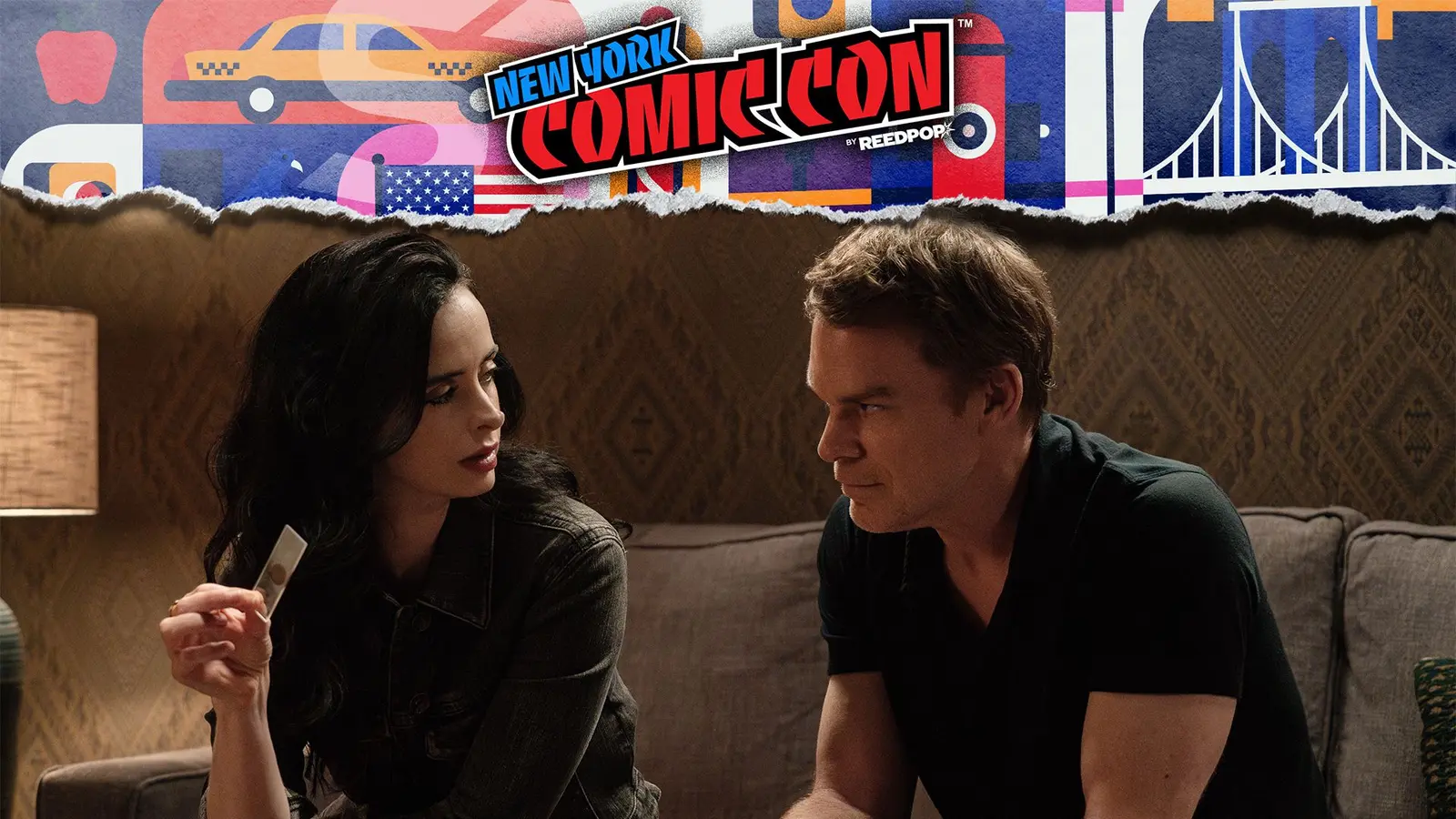 Dexter: Resurrection Season 2 Set to Return with Krysten Ritter’s Enthusiastic Support
 Nine Actors Who Brought Wednesday Addams to Life, Ranked
The connection between these books and films is profound. Many directors adapted these narratives directly into their scripts. The literary roots provide depth to the visual storytelling. Characters often embody the archetypes seen on screen. The settings remain consistent with urban decay and moral ambiguity. This literary foundation allows viewers to understand character motivations better. It enhances the appreciation of the final cinematic product.
Vera Caspary’s novel Laura stands out as a pivotal entry. The story explores themes of obsession and identity. Its adaptation influenced how female protagonists were portrayed in noir. The narrative structure remains tight and suspenseful. Other titles like The Maltese Falcon established the hard-boiled detective trope. Dashiell Hammett created a blueprint for future mystery writers. His prose style emphasized action and gritty realism. This approach moved away from earlier, more romantic mystery traditions. The shift defined the aesthetic of the entire genre.
Why These Books Matter Today
Double Indemnity offers a unique perspective on insurance fraud. The first-person narration creates an intimate connection with the reader. It mirrors the voice-over techniques used in film. The plot twists rely on unreliable narrators. This technique keeps audiences guessing until the final reveal. L. A. Confidential brings a modern sensibility to the classic formula. It updates the setting while retaining core noir elements. The dual timeline structure adds complexity to the investigation. It demonstrates how the genre evolves over decades.
These novels remain relevant because they explore universal human flaws. Greed, lust, and betrayal drive every plot forward. The characters rarely escape their fates unscathed. This fatalistic outlook resonates with contemporary audiences. The visual language of noir persists in modern media. Directors continue to draw inspiration from these source materials. Understanding the books enriches the viewing experience. It reveals the intricate craftsmanship behind each scene. Fans can trace the lineage of popular tropes. The connection between literature and film strengthens both art forms.
Frequently Asked Questions
Are all seven books available in modern editions? Yes, most titles have been reprinted multiple times. Publishers frequently release new covers and editions. This ensures accessibility for new generations of readers.
Do these novels require prior knowledge of film noir? No, the books stand alone as complete stories. However, knowing the films helps identify specific adaptations. Readers can appreciate the differences between text and screen.
Is the writing style difficult for modern readers? The prose varies by author but remains accessible. Hammett and Chandler use clear, punchy sentences. The language focuses on action rather than abstract description.