How Are Blacklists Allegedly Operating in Serbia's Creative Sector?
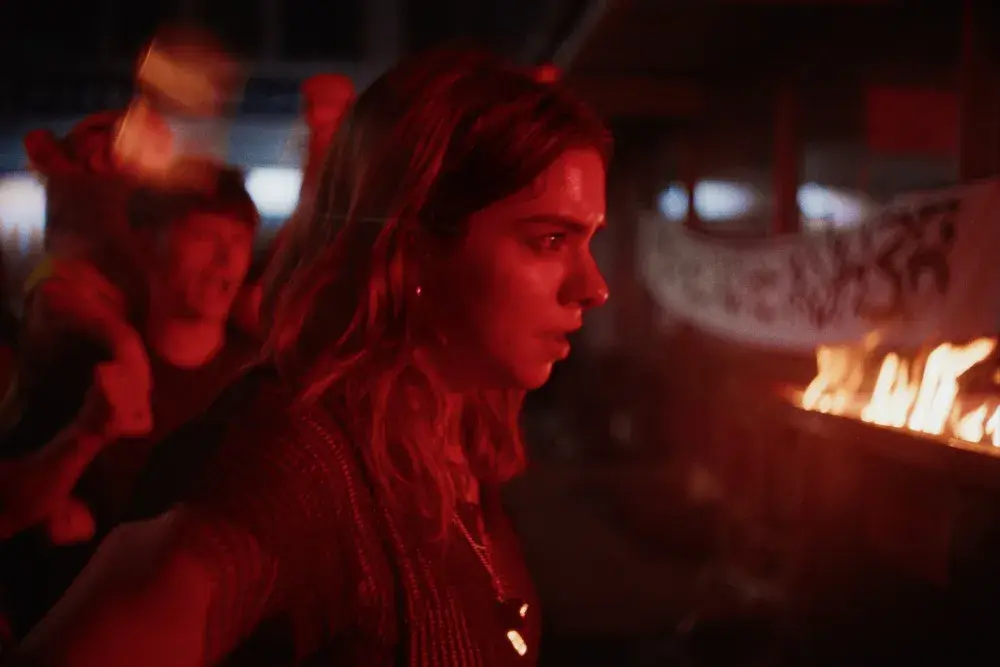
Belgrade, Serbia — September 24, 2026 — Serbia's screen industries are in deep crisis as independent producers claim state-sponsored blacklists and censorship are deliberately strangling creative output, according to industry sources and recent reports. The allegations suggest a coordinated effort to limit funding and distribution for projects not aligned with government preferences, raising serious concerns about artistic freedom and the future of domestic content creation.
Culture picks
 Aya Nakamura Recognized at Inaugural Billboard France Power Players Event
 Godflesh Concludes a Decades-Long Industrial Legacy With Final Studio Effort
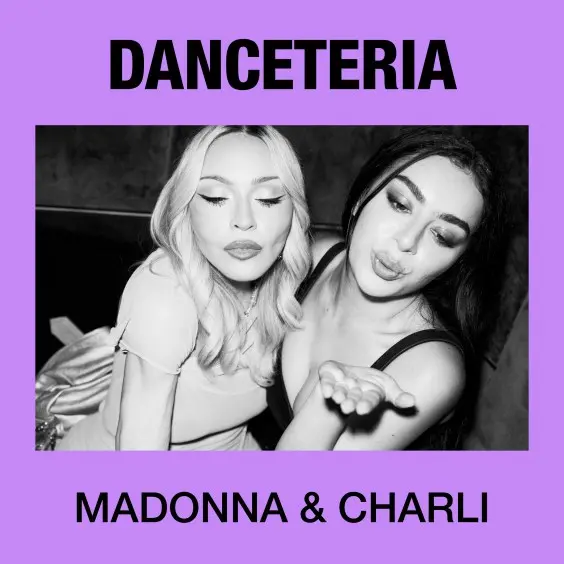 Pop Icons Madonna and Charli XCX Collaborate on Danceteria Remix
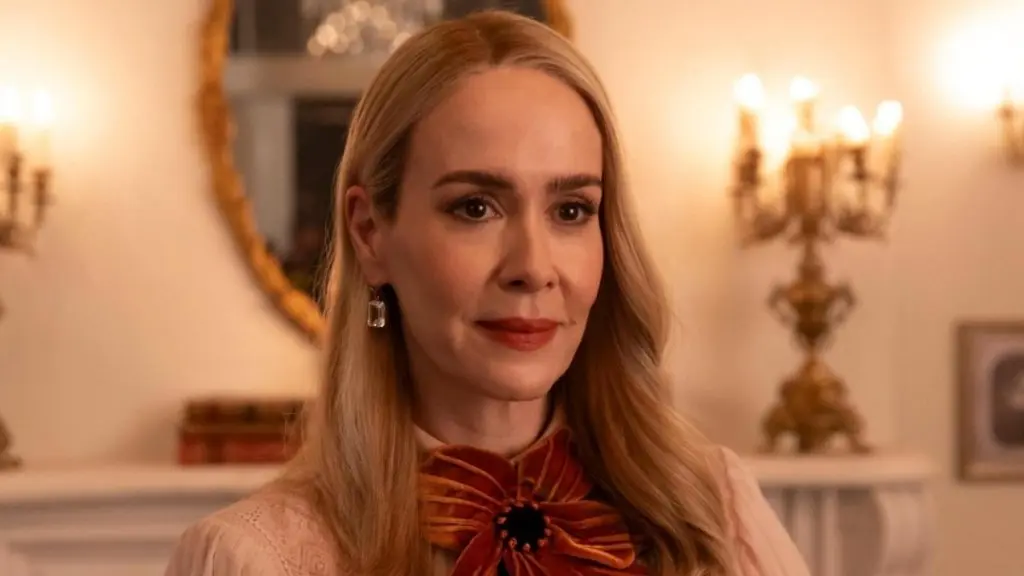 Sarah Paulson and Ryan Murphy Clash Over American Horror Story Rankings
The core of the controversy centers on accusations that certain films and television series are being systematically excluded from state funding, broadcast slots, and festival consideration through opaque blacklists. Producers and directors speaking anonymously describe a climate of fear where projects critical of authorities or deemed politically sensitive are denied support, effectively starving independent voices. This follows years of declining public investment in culture and increasing pressure on media outlets to conform to official narratives, leaving many creators unable to secure financing or distribution for their work.
What Impact Is This Having on Independent Filmmakers?
Industry insiders allege that decisions about funding and airplay are made behind closed doors by committees with close ties to government ministries, using vague criteria like national interestor social harmonyto reject projects. One veteran producer stated that three of his recent scripts were returned without explanation after years of development, while another noted that streaming platforms have begun refusing to acquire Serbian titles deemed controversialby unnamed advisors. These claims point to a system where artistic merit is secondary to political compliance, undermining the diversity and quality of Serbian screen culture.
The alleged blacklisting has led to a sharp decline in independent production, with many talented writers, directors, and crews either abandoning projects or seeking work abroad. Film schools report fewer graduates staying in the industry, and local crews struggle to find consistent employment. Without access to state grants or broadcast opportunities, even critically acclaimed projects struggle to reach audiences, creating a vicious cycle where only commercially safe or state-approved content gets made. This not only harms cultural expression but also damages Serbia's reputation as a destination for international co-productions.
What evidence supports the claims of state-sponsored blacklists in Serbia? While no official documents have been made public, multiple independent producers and industry associations have provided consistent anecdotal accounts of project rejections without clear justification, patterns of exclusion for certain themes, and pressure from funding bodies to avoid specific subjects, suggesting systemic interference.
Frequently Asked Questions
How has the Serbian government responded to these allegations? Government officials have not directly addressed the specific claims of blacklists, instead emphasizing their support for national cinema through general funding programs and asserting that all allocations follow transparent, merit-based procedures outlined in existing cultural laws.
What are the long-term risks if these practices continue? Continued restrictions on independent production could lead to a homogenized cultural output, brain drain of creative talent, diminished international collaboration, and a weakened domestic industry unable to compete globally or reflect Serbia's diverse societal narratives.