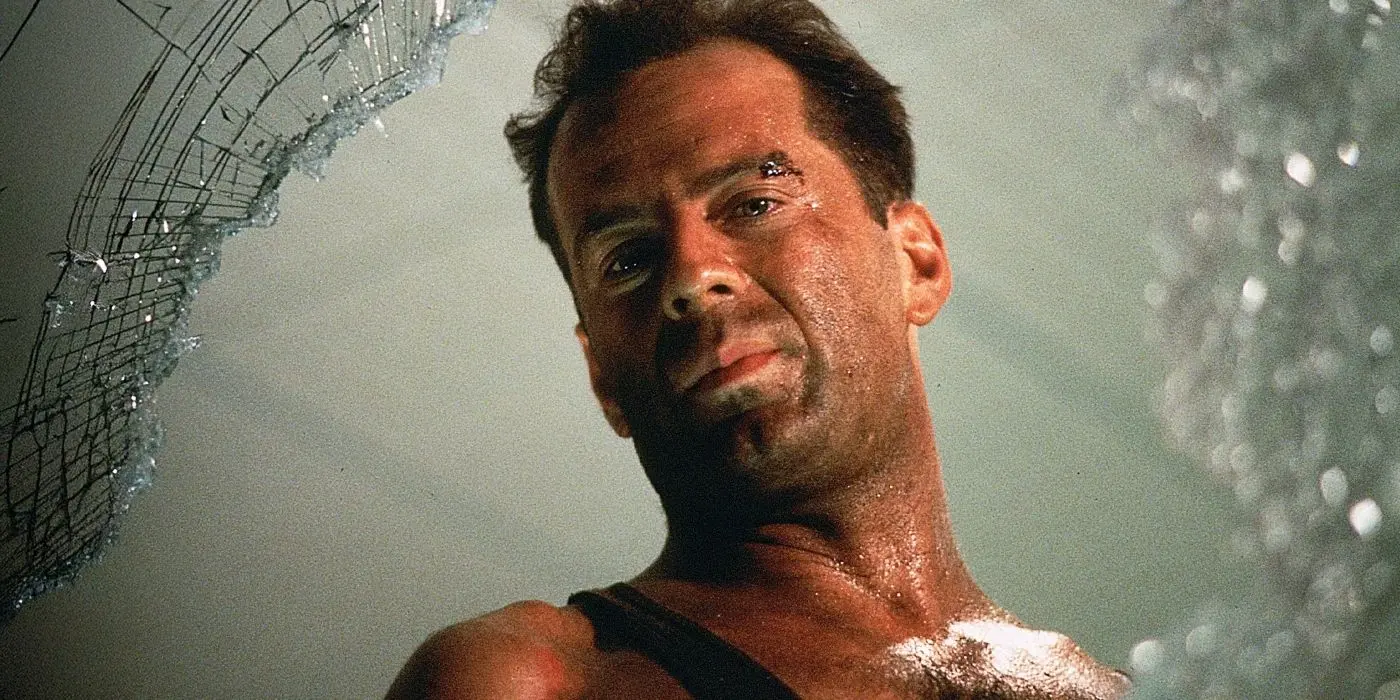
Tensions Over Character Evolution
Director Renny Harlin recently opened up about the intense creative friction he experienced while filming the 1990 action sequel Die Hard 2. During the production, Harlin and star Bruce Willis frequently disagreed over the portrayal of the iconic hero John McClane, leading to heated arguments on set regarding the character's tone and behavior.
Culture picks
 Aya Nakamura Recognized at Inaugural Billboard France Power Players Event
 Godflesh Concludes a Decades-Long Industrial Legacy With Final Studio Effort
 Pop Icons Madonna and Charli XCX Collaborate on Danceteria Remix
 Sarah Paulson and Ryan Murphy Clash Over American Horror Story Rankings
The conflict stemmed from Harlin’s desire to maintain the grounded, vulnerable nature of the character established in the original film. Willis, however, sought to evolve McClane into a more invincible, larger-than-life action figure. This fundamental difference in vision created a tense atmosphere as they navigated the high-stakes filming process.
Harlin noted that the pressure to deliver a massive blockbuster sequel influenced these creative disputes. While the original movie focused on a man in the wrong place at the wrong time, the sequel demanded a more proactive hero. Harlin fought to keep McClane relatable, fearing that making him too powerful would strip away the audience's emotional connection to his struggle.
Was the Conflict Necessary for the Film’s Success?
Despite these behind-the-scenes struggles, the director acknowledged that the friction often pushed the production to find better solutions. The collaborative tension forced both men to refine their ideas, ultimately shaping the final cut of the movie. Harlin expressed respect for Willis’s commitment to the role, even when their artistic paths diverged.
The disagreements highlight the classic struggle between an actor’s instinct for their character and a director’s broader vision for the film. By pushing back against one another, they ensured that the character of John McClane remained a focal point of intense discussion rather than a generic action archetype. This dynamic helped define the franchise's identity for years to come.
Frequently Asked Questions
Ultimately, Die Hard 2 became a commercial success, cementing the franchise's legacy in cinema history. The creative battles served as a catalyst for the film's gritty aesthetic and high-octane sequences. Looking back, Harlin views these moments as a natural part of the high-stakes filmmaking process that defined the era.
What was the main source of the disagreement between Harlin and Willis? The conflict centered on how to portray John McClane, with Harlin preferring a vulnerable, grounded hero and Willis wanting a more invincible action star.
Did these creative clashes negatively impact the final film? No, the film was a major commercial success. The director suggests that the friction actually helped refine the character and the overall tone of the sequel.