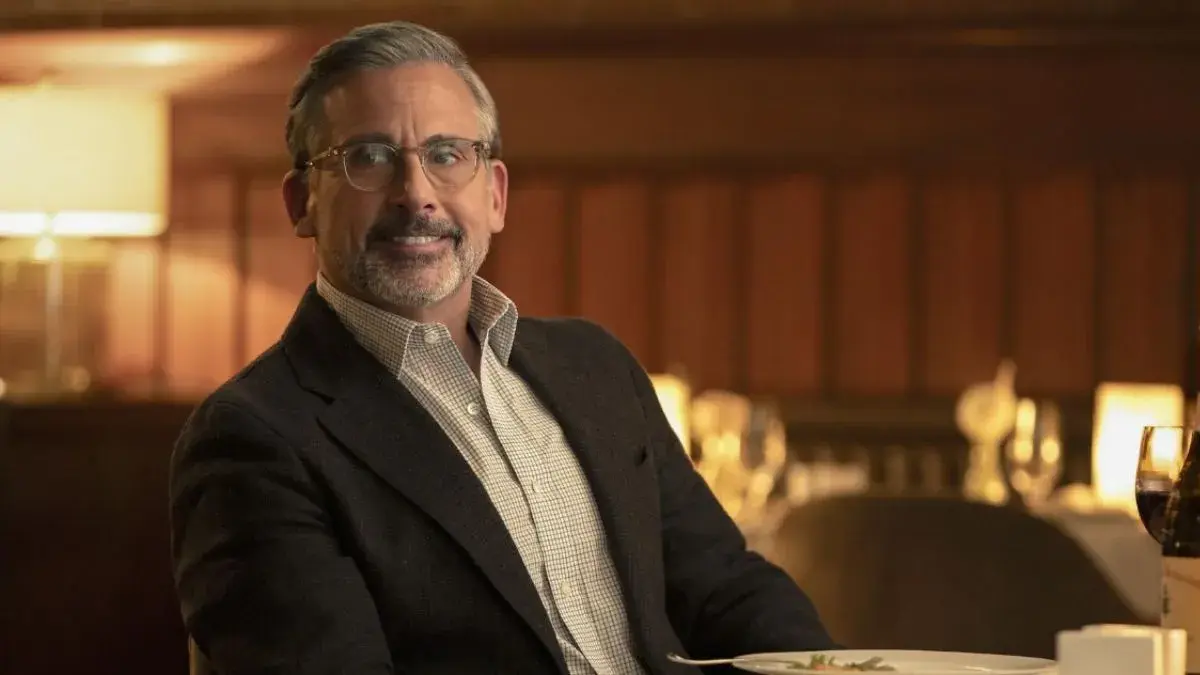
From Paper Antagonist To Cinematic Menace
The evolution of President Coriolanus Snow within the Hunger Games franchise represents a significant shift in character depth. Originally conceived as a standard dystopian antagonist, the character has transformed into a complex cinematic figure. This change highlights how adaptation can alter narrative expectations for audiences worldwide.
Culture picks
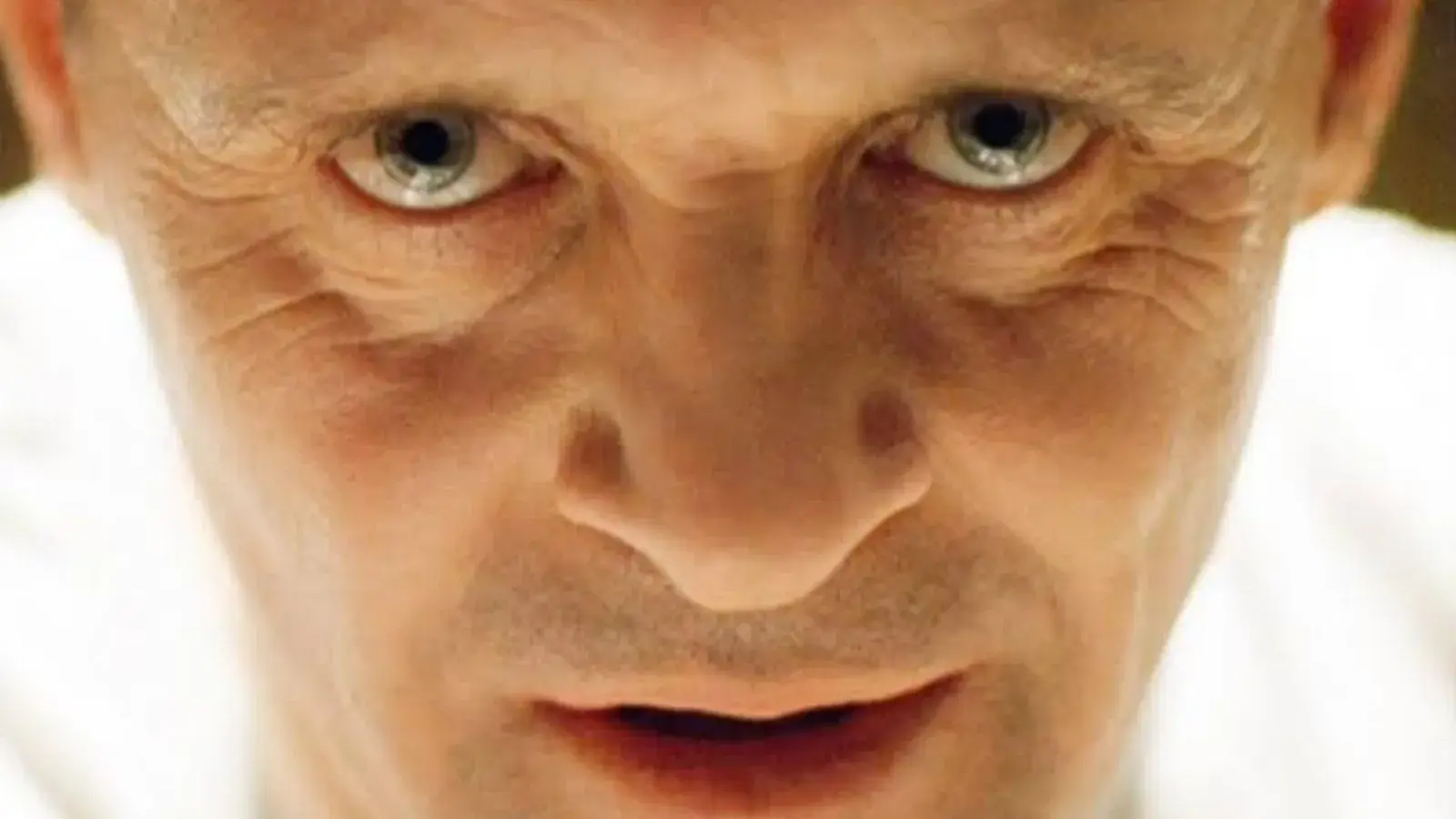 Twelve Films That Feel Effortless From Start to Finish
 KondZilla Returns to Netflix with New Series Grifters
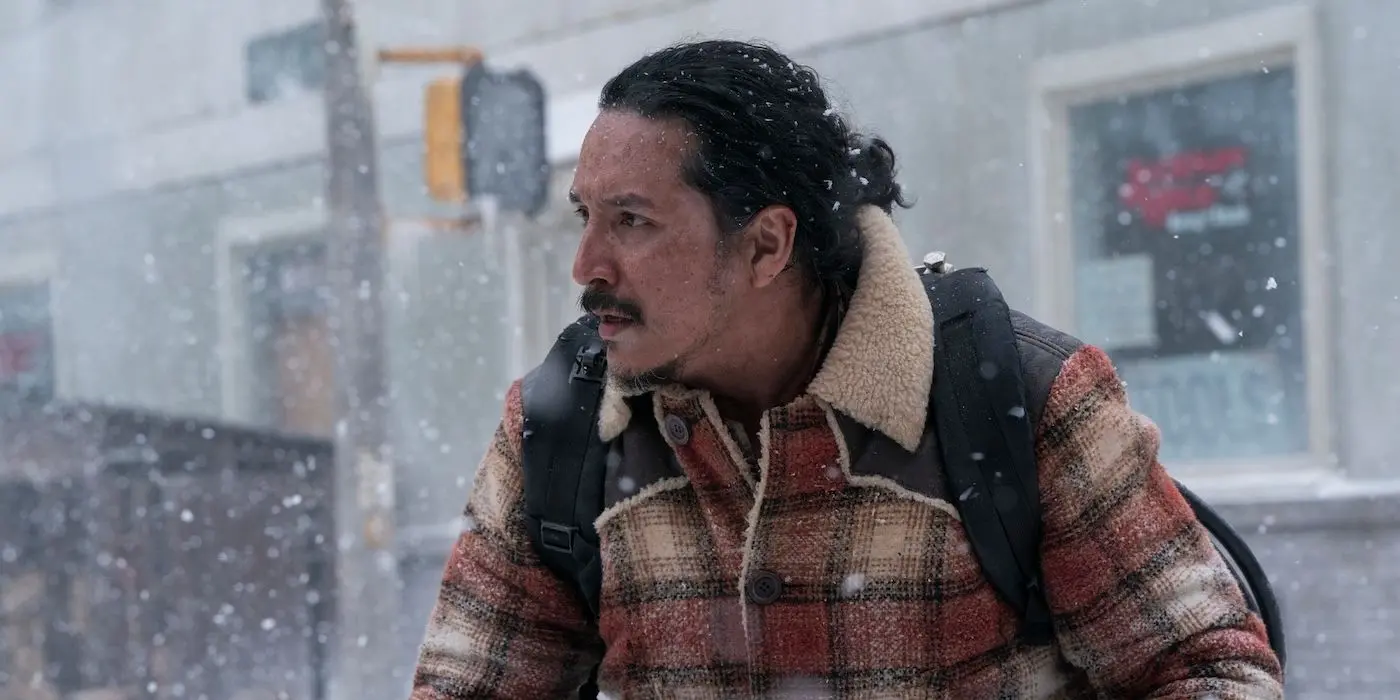 The Darker Future Awaiting Tommy in Season Three
 A Century-Old Masterpiece Returns to the Screen
In Suzanne Collins’ original novel, Snow functioned primarily as a bureaucratic villain. He embodied the cold authority of a dystopian youth-oriented story. His portrayal was less about personal menace and more about systemic control. The text described him as a pampered, almost foppish philosopher’s fiend. He wore cream-colored suits and maintained a detached demeanor. This initial version lacked the visceral threat that later media would explore.
The transition from page to screen required a reimagining of Snow’s presence. Film adaptations demanded a more physical and intimidating leader. The character needed to feel dangerous beyond his political role. Writers and directors expanded his backstory and mannerisms to fit visual storytelling. This expansion turned a minor figure into a central pillar of the franchise’s identity.
Does The Novel Version Still Matter Today?
Collins’ first book established the rules of Panem. Snow was the face of the Capitol’s power. However, the narrative focus remained heavily on the protagonists. Snow served as a backdrop to their struggles. The film series shifted this dynamic. It gave Snow a voice and a distinct personality. Viewers began to see him not just as a ruler, but as a man with specific habits and fears.
Critics often debate whether the film version betrays the source material. Some argue that adding depth to Snow dilutes the original intent. Others believe it enriches the world-building. The key difference lies in agency. In the books, Snow reacts to events. In the films, he actively manipulates them. This active manipulation creates a more engaging antagonist. It forces the heroes to confront a mind that is always several steps ahead.
The phrase strange twist of Hollywood Fatescaptures this unexpected development. No one predicted that a secondary character would become so iconic. Yet, his popularity has outgrown the original text. Fans now expect a certain level of complexity from him. This expectation shapes future adaptations and merchandise.
The consequences of this shift are evident in fan engagement. Snow has become a cultural symbol of calculated evil. His image appears in countless discussions about power dynamics. The franchise benefits from a memorable villain who transcends simple good-versus-evil tropes. Looking ahead, any new projects must account for this elevated status. Writers cannot revert to the simpler, book-only version without confusing modern audiences. The character has grown legs of his own. Future stories will likely lean into his psychological intricacies rather than his bureaucratic role. This trajectory ensures his relevance remains high for years to come.
Frequently Asked Questions
Did Suzanne Collins plan Snow to be this complex initially? No, the novel presented him as a standard autocrat. The complexity emerged through film adaptations and subsequent sequels.
Why did the film version change his impact? Visual media requires active performance. Directors expanded his actions to make him threatening on screen.
Is the book version less effective because of this? Not necessarily, but the film version sets a higher bar for reader expectations today.