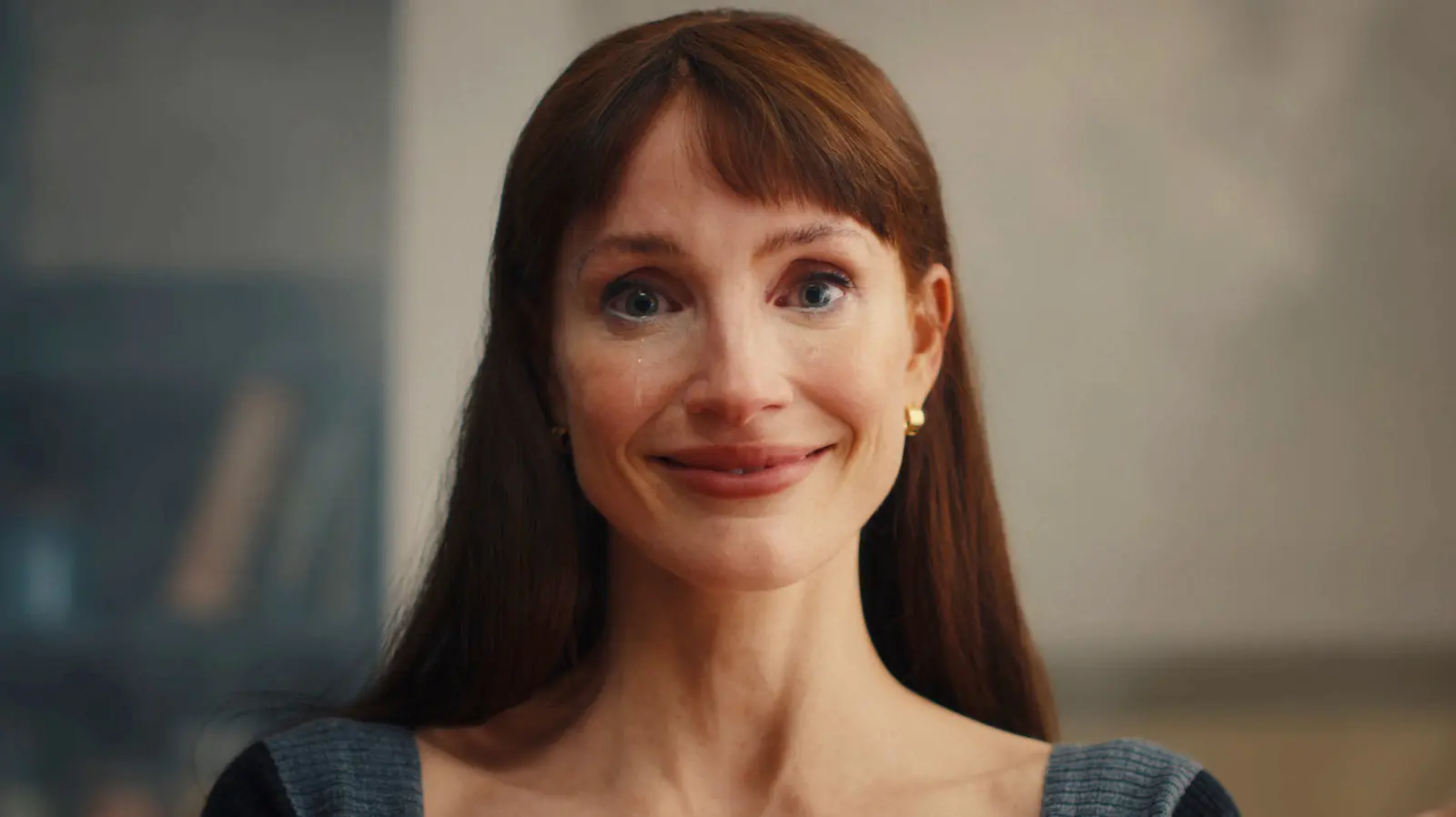
The Rise of Psychological Horror in 2026
The horror film „Other Mommy” opened this past weekend to the highest domestic gross, topping the charts in its first week. Distributed by Universal Pictures and produced by Blumhouse, the movie drew large crowds across the United States, achieving a record opening for the genre in 2026. The success came on a weekend that saw a surge in horror releases, yet „Other Mommy” stood out as the clear leader.
Culture picks
 Avatar: Seven Havens Launches on Paramount+—What It Means for Viewers
 Warner Music Sues EssilorLuxottica Over Unlicensed Music Use in Ray‑Ban Ad Campaign
 GENER8ION and Yung Lean’s „Storm II” Breaks Into Billboard Hot 100
 Kacey Musgraves Responds to Political Commentary at Country Music Awards
The film’s strong performance is attributed to a combination of strategic marketing, a star‑studded cast, and a storyline that taps into contemporary anxieties about family and identity. Critics praised its blend of psychological tension and supernatural elements, noting that the film’s premise—exploring the darker side of maternal instincts—resonated with audiences seeking fresh takes on familiar themes. The marketing campaign included a series of teaser trailers that highlighted the film’s unsettling visuals and an interactive social media campaign that engaged fans with behind‑the‑scenes content.
In recent years, horror has shifted from pure gore to more nuanced psychological narratives. „Other Mommy” exemplifies this trend by focusing on the internal conflict of its protagonist, who grapples with the desire to protect her child while confronting a malevolent presence. This approach has proven commercially viable, as evidenced by the film’s opening weekend gross of $35 million, surpassing the previous record set by „The Night House.” Industry analysts suggest that audiences are increasingly drawn to stories that explore complex emotional landscapes within the horror framework.
How Marketing and Audience Engagement Drive Box‑Office Wins
The film’s success also highlights the importance of timing. Released during a period of high competition, „Other Mommy” managed to attract viewers who might otherwise have opted for mainstream blockbusters. The strategic release date capitalized on a lull in major studio releases, allowing the movie to dominate the box‑office charts. Additionally, the film’s partnership with streaming platforms for a limited theatrical window extended its reach, generating buzz that translated into ticket sales.
What role did the marketing strategy play in „Other Mommy’s” triumph? The campaign leveraged social media influencers and horror podcast hosts to create a sense of community around the film. Interactive polls and live Q&A sessions with the director and lead actress generated anticipation and fostered a dedicated fan base. These efforts culminated in a viral hashtag that trended during the opening weekend, boosting visibility and encouraging word‑of‑mouth promotion.
Furthermore, the film’s distribution strategy included a staggered release across major theater chains, ensuring maximum screen availability. By securing prime time slots and partnering with premium theater formats, the studio amplified the movie’s presence. The combination of targeted advertising, strategic release timing, and audience engagement proved to be a winning formula that other studios are now emulating.
The impact of this success extends beyond the immediate box‑office figures. It signals a shift in consumer preferences toward horror films that blend psychological depth with traditional scares. Filmmakers are likely to invest more in scripts that explore complex themes, and studios may allocate larger marketing budgets to promote these narratives. As a result, the horror genre is poised to maintain its momentum, with new releases expected to follow the blueprint established by „Other Mommy.”
Frequently Asked Questions
What made „Other Mommy” stand out among other horror releases this weekend? Its unique blend of psychological tension and supernatural horror, coupled with a strong marketing campaign that engaged audiences through social media and interactive content, set it apart from competitors.
How did the film’s release strategy contribute to its box‑office success? By choosing a release window with limited competition and securing prime theater slots, the studio maximized screen availability and audience reach, leading to record opening weekend earnings.
What does this success mean for the future of horror films? It reinforces the viability of psychologically driven horror narratives, encouraging studios to invest in similar projects and to adopt aggressive marketing tactics that foster community engagement.