Larraín avoids melodrama, instead opting for a restrained
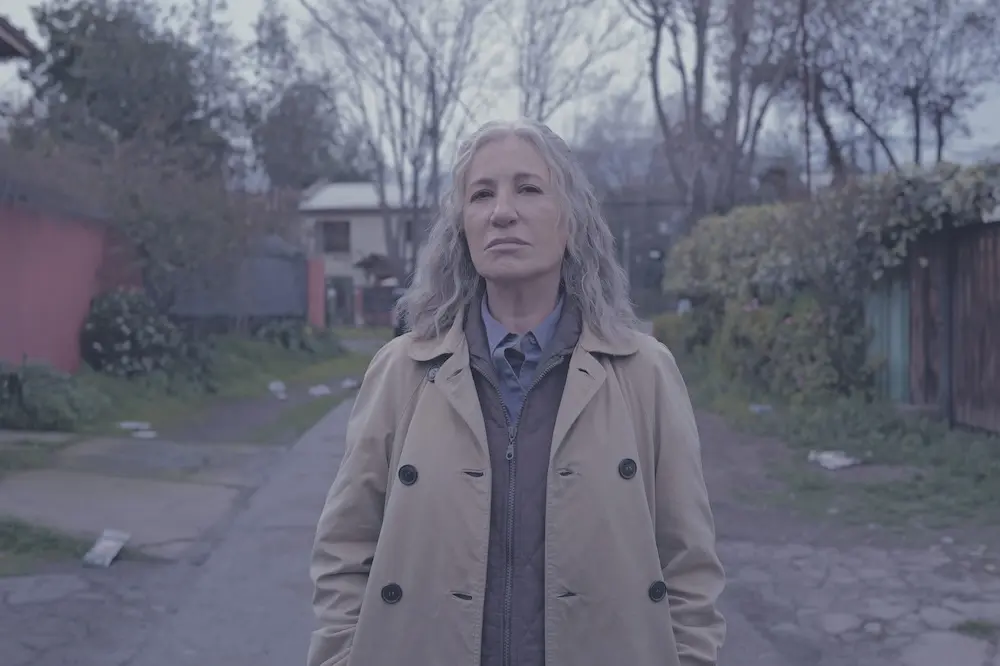
A doctor who can see the dead becomes the reluctant guardian to a Buenos Aires neighborhood plagued by violence in a dolorous but darkly witty grotesque based on Mariana Enriquez's short stories. Set in a decaying urban landscape where the living and the dead coexist uneasily, the film blends horror, social commentary, and absurdist humor to explore grief, neglect, and the weight of unresolved trauma. Pablo Larraín directs with a keen eye for atmospheric dread and visual poetry, transforming Enriquez’s fragmented narratives into a cohesive, haunting whole. The film’s tone shifts between melancholy and macabre satire, using supernatural elements not for jump scares but to expose societal rot. The protagonist, a weary physician, navigates a world where ghosts are as common as potholes, each spirit a reminder of violence ignored or forgotten.
Culture picks
 The Musical Heritage of the New Sense and Sensibility Adaptation
 James Gray Debuts Intimate Crime Thriller Paper Tiger at New York Film Festival
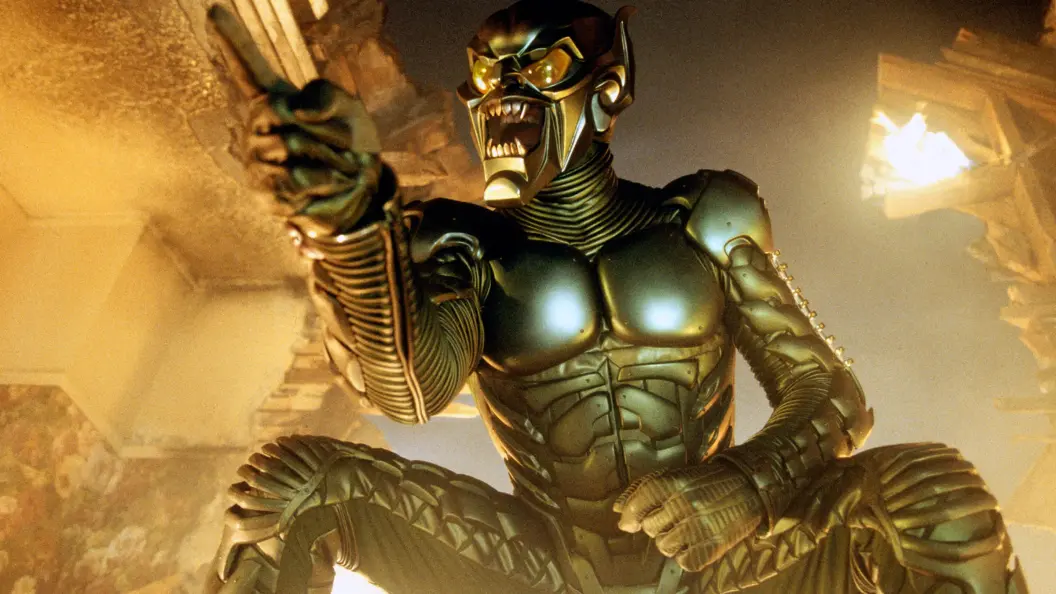 Colman Domingo Is the Perfect Choice for Norman Osborn in the MCU
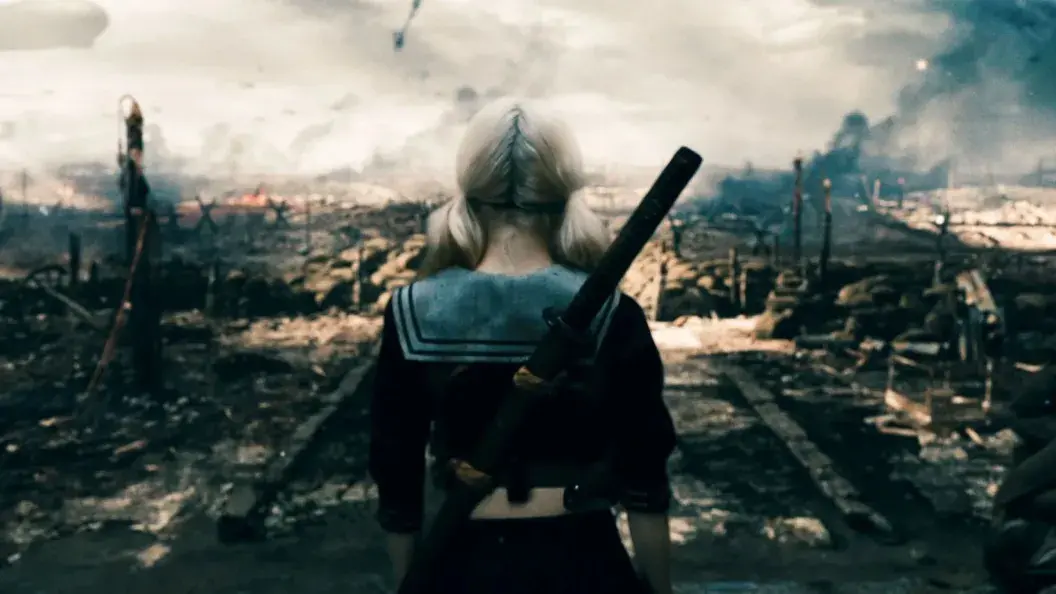 Zack Snyder’s New Alice in Wonderland Faces Production Hurdles
Larraín avoids melodrama, instead opting for a restrained, almost clinical approach that lets the absurdity and sorrow speak for themselves. The cinematography, drenched in muted blues and sickly greens, reinforces the sense of a city slowly succumbing to its own ghosts. How Does the Film Balance Horror and Humor? Larraín achieves a delicate equilibrium by treating the supernatural with matter-of-fact normalcy, allowing the humor to emerge from the characters’ weary acceptance of the bizarre. A ghost complaining about noisy neighbors or a spirit stuck in a loop of its own death becomes funny not because it’s silly, but because it feels tragically human. This tonal tightrope walk prevents the film from tipping into either pure dread or farce, keeping it grounded in emotional truth.
The humor, dark and dry
The humor, dark and dry, serves as a coping mechanism—for both the characters and the audience—making the heavier themes more palpable without diminishing their impact. What Does the Ghostly Presence Reveal About the Living? The dead in My Sad Dead are not vengeful or malevolent; they are trapped, often by circumstances that mirror the struggles of the living. Their persistence highlights societal failures—lack of justice, inadequate healthcare, environmental decay—that the living refuse to confront. By making the invisible visible, the film forces a reckoning with collective amnesia and urban neglect. The ghosts become metaphors for unresolved history, their presence a constant, unsettling reminder that the past is never truly buried. In this way, the supernatural becomes a lens for social critique, sharp and unflinching. Frequently Asked Questions Is My Sad Dead based on a true story?
No, the film is adapted from the short stories of Argentine writer Mariana Enriquez, whose work blends horror with social realism but is fictional. Does the film rely on jump scares? No, it avoids conventional horror tactics in favor of atmospheric dread and psychological unease, using the supernatural to explore emotional and societal themes. What language is the film in? The film is in Spanish, set in Buenos Aires, and reflects the cultural and linguistic texture of contemporary Argentina.