How Will Standalone Stories Work in the MCU?
Brad Winderbaum, head of Marvel Studios, has officially addressed concerns about the Marvel Cinematic Universe's growing complexity, revealing a strategic shift in how future projects will interconnect. Speaking in a recent interview, Winderbaum emphasized that the studio is moving away from requiring viewers to watch every piece of content to understand the main storyline. This change comes after years of fan feedback about the increasing difficulty of keeping up with films, series, and special presentations spread across multiple platforms. The announcement signals a more accessible entry point for both longtime fans and newcomers to the franchise.
Culture picks
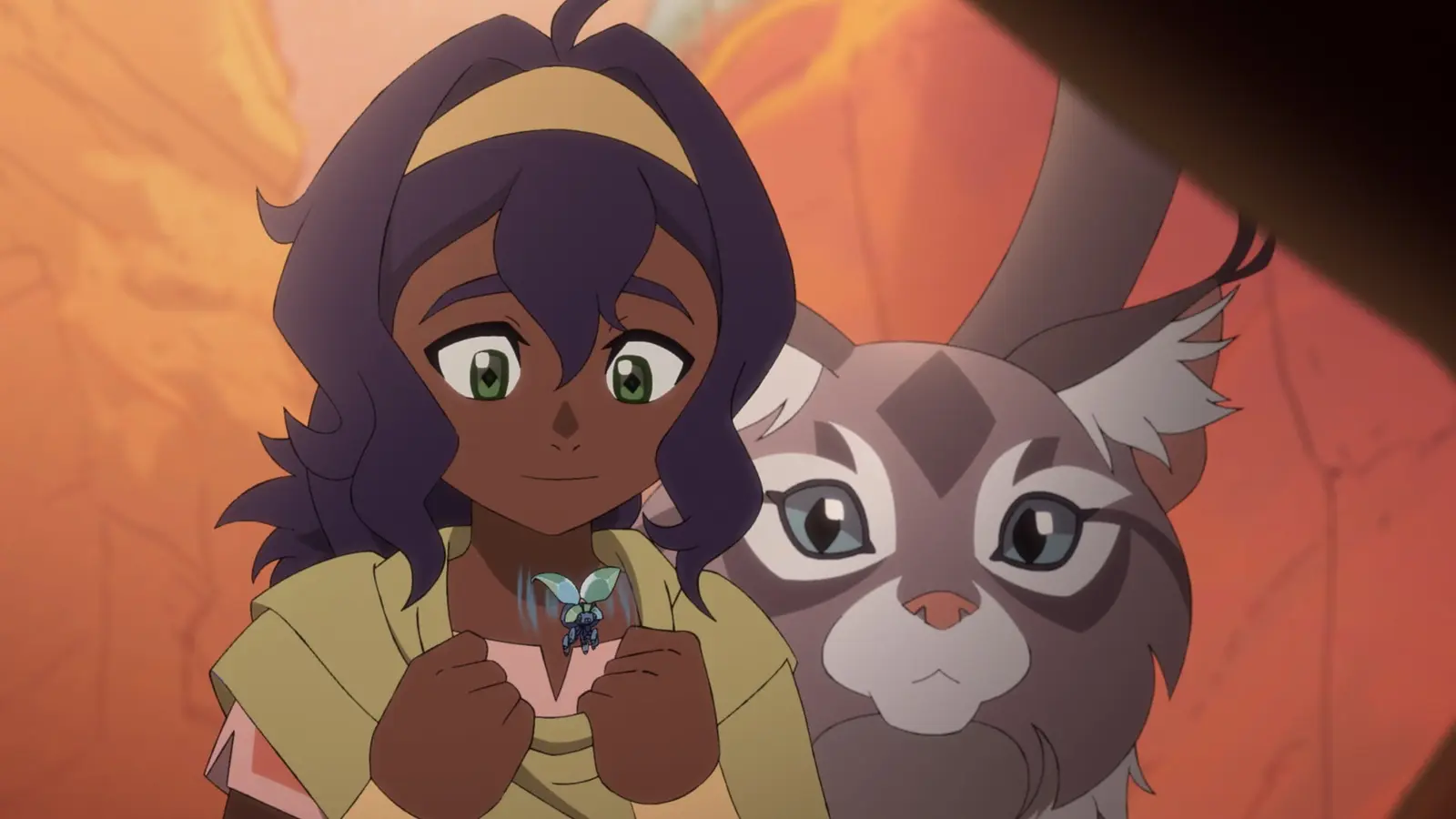 Avatar: Seven Havens Launches on Paramount+—What It Means for Viewers
 Warner Music Sues EssilorLuxottica Over Unlicensed Music Use in Ray‑Ban Ad Campaign
 GENER8ION and Yung Lean’s „Storm II” Breaks Into Billboard Hot 100
 Kacey Musgraves Responds to Political Commentary at Country Music Awards
The shift reflects Marvel's response to audience fatigue following phases where storylines became densely woven across Disney+ series and theatrical releases. Winderbaum explained that while the MCU will remain a shared universe, future narratives will be designed so that individual stories can be enjoyed independently, with deeper connections available for those who choose to explore them. He noted that upcoming projects will feature clearer entry points and reduced reliance on prior knowledge, allowing viewers to engage with content based on personal interest rather than obligation. This approach aims to balance creative ambition with audience accessibility, ensuring that no one feels excluded due to gaps in their viewing history.
What Does This Mean for Future Phases?
Winderbaum clarified that standalone does not mean disconnected, but rather that each project will contain a complete narrative arc. He used the example of a future film that might reference past events through dialogue or visual cues without requiring viewers to have seen a specific series to grasp the plot. The studio plans to use subtle storytelling techniques—such as character motivation, thematic echoes, and limited exposition—to enrich the experience for dedicated fans without confusing casual viewers. This method allows Marvel to maintain continuity while respecting the audience's time and viewing preferences.
The new strategy will influence how Marvel structures its upcoming phases, with more flexibility in release scheduling and storytelling formats. Winderbaum indicated that films and series will still contribute to larger arcs, but the pressure to consume everything in order will be reduced. He added that this change could lead to more diverse genres and tones within the MCU, as creators gain freedom to tell self-contained stories that still feel part of a larger tapestry. The goal is to sustain long-term engagement by making the universe feel welcoming rather than overwhelming.
Will I still need to watch Disney+ series to understand the movies? No, Marvel Studios is designing future films to be understandable on their own, though watching related series may enhance the experience with additional context or Easter eggs.
Frequently Asked Questions
How will this affect the overall MCU timeline? The shared universe timeline remains intact, but individual stories will now be structured to function independently while still fitting cohesively into the larger continuity.
Does this mean fewer crossover events? Not necessarily—crossovers will still happen, but they will be designed so that audiences can follow them without needing to have seen every preceding project.