Reviving a Lost Voice Through Technology
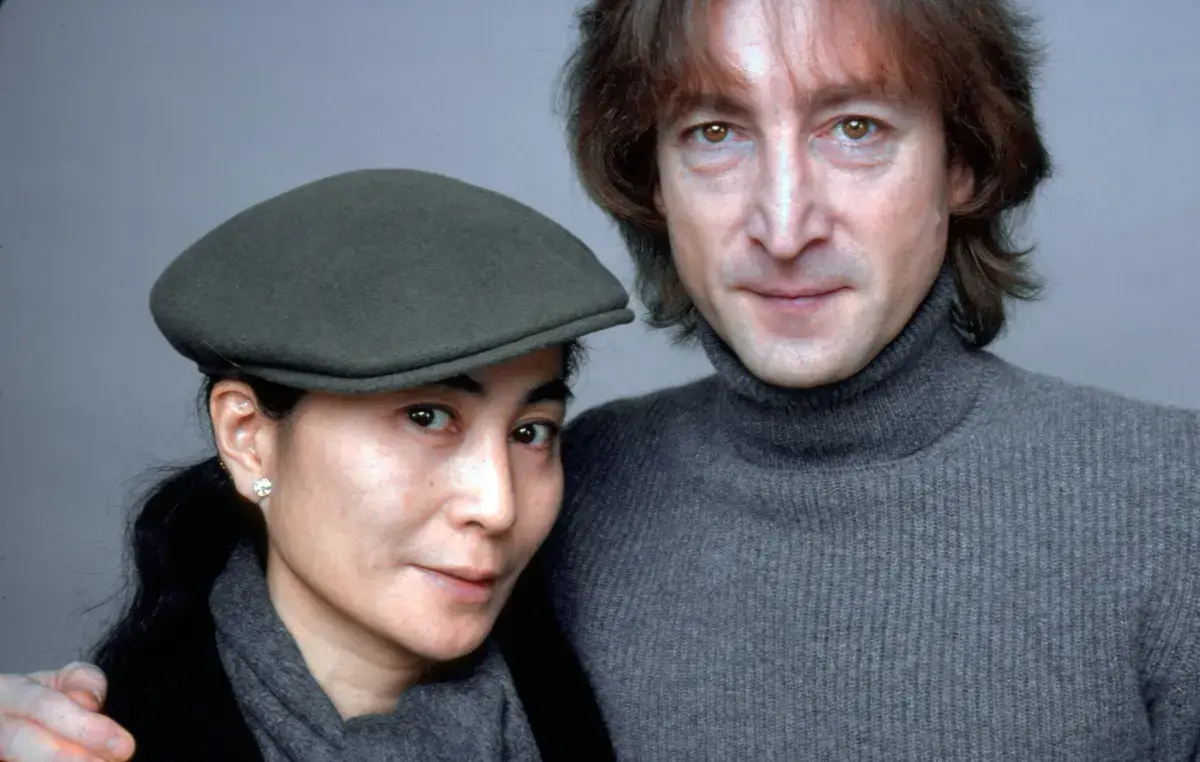
Steven Soderbergh’s new documentary about John Lennon will premiere at Cannes this month. The film, titled John Lennon: The Last Interview, utilizes artificial intelligence. It’s a collaboration between the filmmaker and Meta, working with Lennon’s estate. The project focuses on Lennon’s final interview, promoting his Double Fantasy album.
Culture picks
 Denzel Washington's 2 Guns Set to Exit Netflix Streaming Library
 A Cinematic Treasure Hunt Lands on Free Streaming Platforms
 Shaun the Sheep: The Beast of Mossy Bottom Is Officially an Instant Halloween Classic
 5 Beloved Books That Still Deserve a Faithful Adaptation
Soderbergh employed generative AI to enhance the archival footage. He aimed to create a more immersive experience for viewers. The technology helped restore and revitalize the original interview tapes. This allowed for a clearer presentation of Lennon’s final thoughts. The director is known for his innovative filmmaking techniques. He previously directed films like Ocean’s Eleven and Erin Brockovich.
The use of AI wasn’t about creating something entirely new. Soderbergh clarified the goal was preservation and enhancement. He wanted to present Lennon’s voice and image as vividly as possible. The estate granted access to previously unseen interview material. This provided a wealth of content for the documentary. Meta’s technology played a crucial role in processing and refining this material.
Could AI Redefine Archival Filmmaking?
The documentary isn't simply a rehash of old footage. It’s a curated experience, shaped by both archival material and AI assistance. Soderbergh described the process as a delicate balance. He emphasized the importance of respecting the integrity of Lennon’s original words. The AI tools were used to address technical limitations in the aging recordings.
This project marks a significant step in the use of AI within documentary filmmaking. It demonstrates the potential to breathe new life into historical footage. Many archives contain degraded or incomplete recordings. AI offers a solution to restore and improve these materials. Will this become standard practice for filmmakers? It’s likely we’ll see more documentaries utilizing similar techniques.
Frequently Asked Questions
The implications extend beyond simply improving audio and video quality. AI could potentially allow filmmakers to create entirely new experiences from existing archives. This could involve generating visuals or even recreating conversations. However, ethical considerations remain paramount. Maintaining authenticity and avoiding manipulation are crucial concerns.
What was the purpose of using AI in this documentary? The AI technology was used to restore and enhance the audio and video quality of the original interview footage. It aimed to provide a clearer and more immersive experience for viewers, preserving Lennon’s voice and image.
Was the AI used to create new content? No, the AI was not used to generate entirely new content. Soderbergh emphasized that the goal was to preserve and improve existing archival material, respecting the integrity of Lennon’s original interview.