Embracing Intimacy in the Final Frame
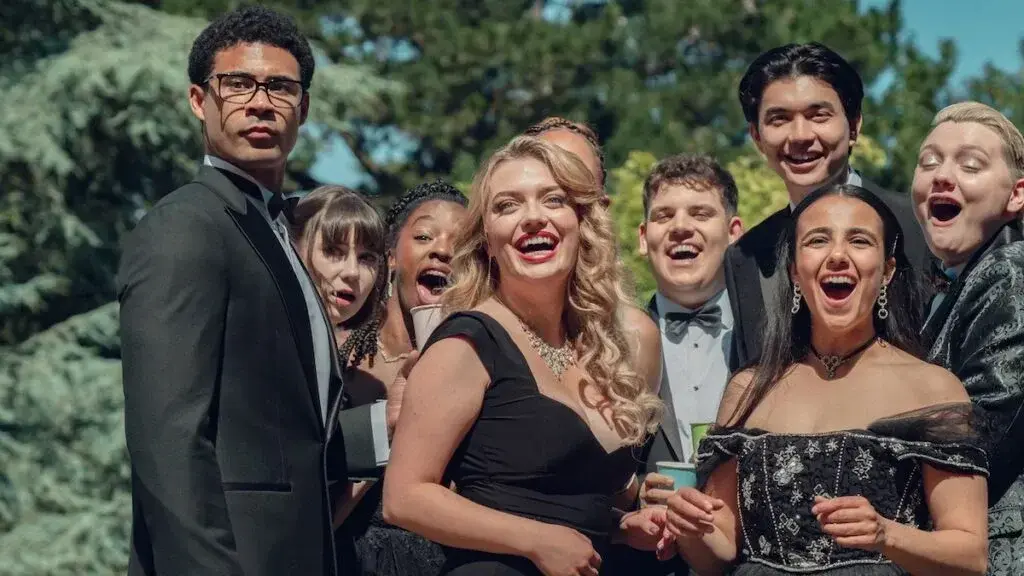
The British YA series „Heartstopper,” celebrated for its authentic queer storytelling, concludes with the Netflix film „Heartstopper Forever.” Creator Alice Oseman, who wrote the graphic novels and served as showrunner for the three‑season adaptation, discussed the decision to close the narrative in an interview with TheWrap. She described the film as a deliberate shift toward deeper intimacy and a bittersweet farewell to the platform’s queer safe space.
Culture picks
 American Horror Story Welcomes New Papa Legba in Season 13
 KJ Apa Talks Transforming Into Jimmy Stewart, Rumors About a Secret Singing Career, and His Path to Recovery
 Harry Styles’ „Together, Together” Tour Documentary to Be Directed by John Wilson
 Keanu Reeves' Upcoming Film Slate Shows Continued Hollywood Dominance
The series began as a modest graphic novel before blossoming into a cultural touchstone for LGBTQ youth worldwide. Its Netflix debut in 2022 amplified its reach, offering representation that many young people had long craved. Oseman explained that the transition from episodic storytelling to a feature film allowed the characters to explore love and loss in a more concentrated format. She emphasized that the ending was not driven by ratings but by a desire to honor the story’s emotional arc and to give fans a resonant closure.
Oseman told TheWrap that the film’s focus on intimacy was a conscious choice. „We wanted to capture the quiet moments that define a relationship,” she said. The narrative zeroes in on Charlie and Nick’s first night together, a scene that Oseman believes encapsulates the series’ core message: love is ordinary, yet profoundly transformative. By narrowing the lens, the creators could highlight the subtle gestures that often go unnoticed in longer episodes. This emphasis on closeness also serves as a tribute to the community that rallied around the show, many of whom found solace in its honest portrayal of queer life.
Why Does the End of „Heartstopper” Matter for Queer Audiences?
The conclusion of „Heartstopper” raises questions about the future of queer representation on mainstream platforms. Oseman noted that while the series’ ending feels like a loss, it also signals progress. „When a story like this reaches its natural end, it proves that queer narratives can thrive without needing endless extensions,” she remarked. The decision to wrap up the story on Netflix rather than extending it indefinitely underscores a growing confidence in the market’s appetite for diverse content. Industry observers see this as a sign that networks are increasingly willing to invest in high‑quality LGBTQ stories, even if they run for a limited run.
The final film leaves a lasting imprint on viewers, reminding them that safe spaces can be both created and concluded with dignity. Oseman hopes the series will inspire new creators to craft their own narratives, ensuring that the momentum built by „Heartstopper” continues to ripple through the industry. As the credits roll, the conversation shifts from mourning a beloved show to celebrating its groundbreaking legacy.
Frequently Asked Questions
What prompted the shift from a TV series to a movie for the finale? Oseman explained that a film format allowed the creators to concentrate on the characters’ most intimate moments, offering a focused emotional climax that a season might dilute.
Will there be any future „Heartstopper” projects or spin‑offs? At present, Oseman has indicated that the story is complete, but she remains open to exploring the universe in other media, such as comics or limited‑edition releases.
How has „Heartstopper” impacted LGBTQ representation on streaming services? The series set a benchmark for authentic queer storytelling, prompting other platforms to greenlight similar projects and demonstrating that audiences respond positively to inclusive narratives.