Audience Fatigue or Narrative Gap?
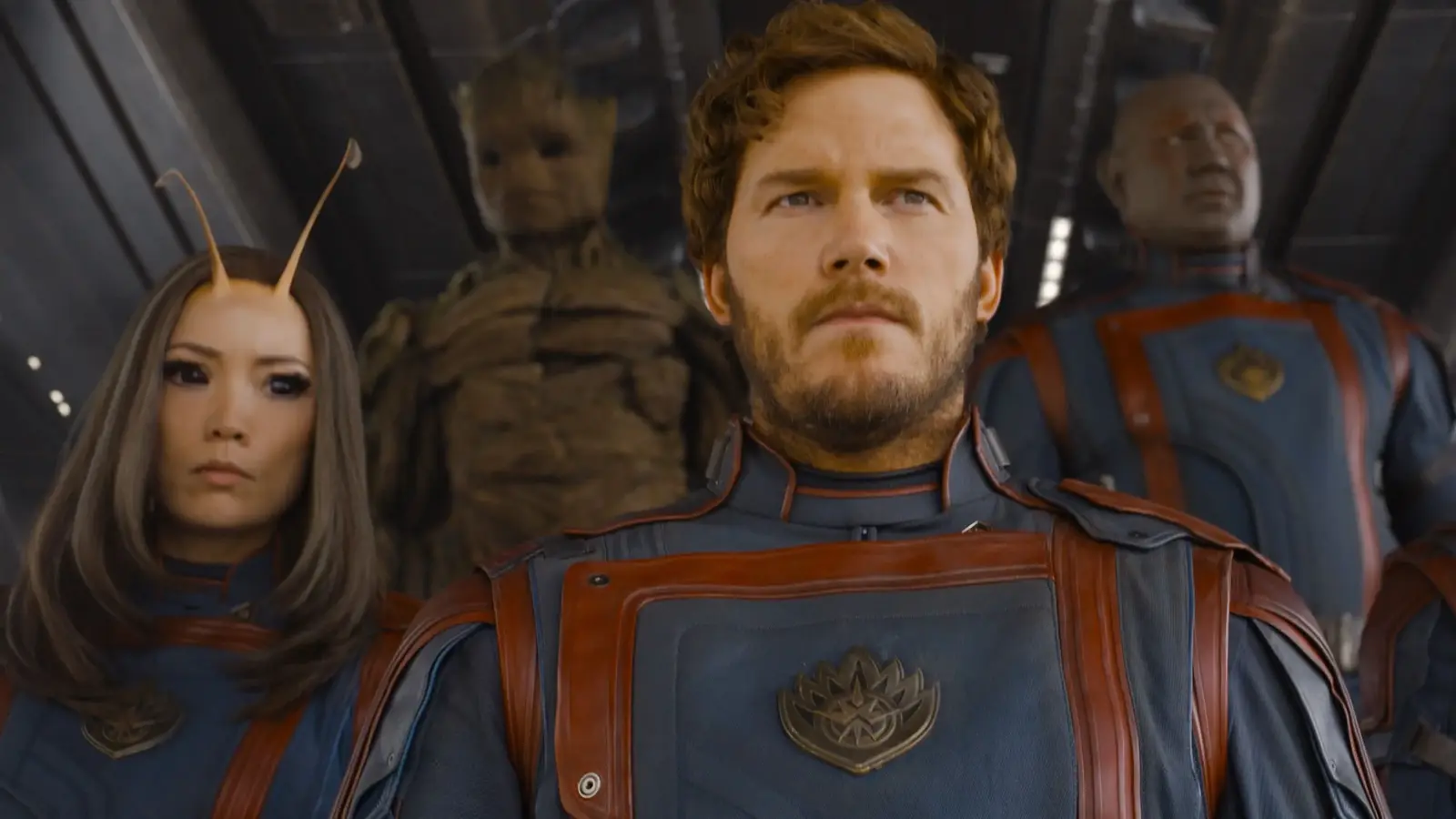
The third installment in the Guardians of the Galaxy franchise has emerged as the most significant box office drop within the Marvel Cinematic Universe. While the film received critical acclaim, its financial performance at the global box office marked a sharp downturn compared to its predecessors. This trend highlights a shifting dynamic in how audiences engage with newer entries in long-running superhero franchises. The data suggests that even beloved characters face diminishing returns when sequels arrive too frequently or without sufficient narrative distance from previous chapters.
Culture picks
 New Shonen Jump Manga Fixes Long‑Standing Genre Flaw
 Clayface: DCU’s First R‑Rated Horror Film Set to Shock Gotham
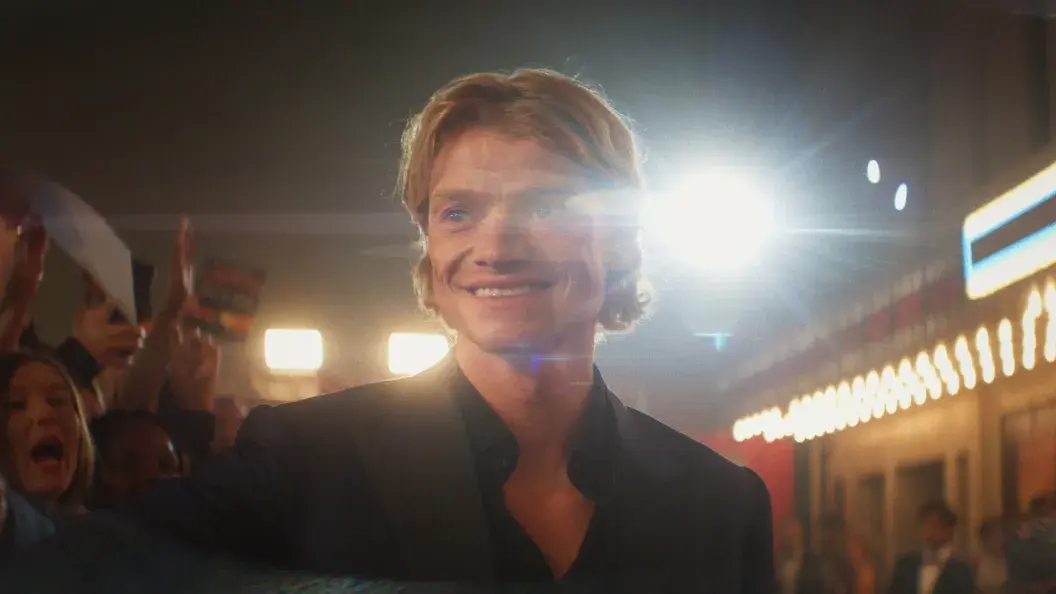
 Prime Video Casts Rising Stars Esther McGregor and Emilio Sakraya as Violet and Xaden in New Romantasy Series
 MAMA Awards 2026 Set to Spotlight K‑Pop Powerhouses in Osaka
The decline in revenue for this specific title raises questions about audience engagement levels. Fans who followed the series closely may have found the story satisfying but perhaps not compelling enough to drive record-breaking ticket sales. The presence of core characters like Star-Lord, Mantis, Groot, and Drax remains central to the plot, yet the financial impact was lower than anticipated by industry analysts. Critics noted that while the emotional weight of the story resonated, the sheer volume of recent Marvel releases may have diluted individual movie excitement. The franchise has consistently proven itself as one of the strongest pillars of the broader cinematic universe, but this entry signals a need for strategic pacing adjustments in future planning.
Does Critical Acumen Translate to Cash?
Despite the box office dip, the film maintained strong critical scores. This disconnect between critical praise and commercial performance is becoming a common theme in modern blockbuster cinema. Audiences are increasingly selective, often waiting for streaming availability rather than paying premium theater prices for every sequel. The specific focus on character development in this volume appealed to dedicated fans but did not generate the same level of broad mainstream hype seen in earlier installments. Producers must now balance artistic integrity with market expectations to ensure future projects maintain both quality and profitability. The success of the franchise overall remains intact, but the trajectory requires careful monitoring to prevent further erosion of brand value.
The immediate consequence is a recalibration of marketing strategies for upcoming Marvel titles. Studios will likely emphasize unique storytelling angles to distinguish new releases from the crowded slate of superhero films. For the Guardians specifically, this period serves as a reset point. It allows the creative team to breathe and develop ideas that can reignite audience enthusiasm. The outlook remains positive given the franchise’s historical resilience, but the next entry must deliver a compelling reason for audiences to return to theaters eagerly.
Frequently Asked Questions
Why did Guardians of the Galaxy Vol. 3 see a box office drop? The film experienced a decline due to audience fatigue and the high frequency of recent Marvel releases. This reduced the urgency for viewers to see the movie in theaters immediately upon release.
Is the franchise still considered successful despite the drop? Yes, the franchise remains one of the strongest in the MCU. The drop is relative to previous highs, not an absolute failure, indicating a normalization of performance rather than a collapse.