The cinematography captures the city’s duality: neon-lit nightclubs juxtaposed
Venice Film Festival: George Clooney serves as executive producer on this electrifying Lebanese heist thriller directed by a rising auteur, blending anarchic energy with precise storytelling to challenge conventional crime genre tropes while showcasing Beirut’s underbelly through a lens of visceral authenticity and stylistic boldness. The film follows a crew of desperate individuals plotting a high-stakes robbery amid Beirut’s fractured social landscape, using the heist framework not just for tension but as a vehicle to explore class divides, systemic corruption, and the lingering effects of political instability. Director’s tight editing and immersive sound design amplify the urgency, turning each sequence into a pulse-pounding experience that feels both locally rooted and universally resonant. How Does the Film Use Beirut as More Than Just a Backdrop?
Culture picks
 Hunger Games: Sunrise Returns to Theaters in One Month
 The Musical Resonance of the New Carrie Adaptation
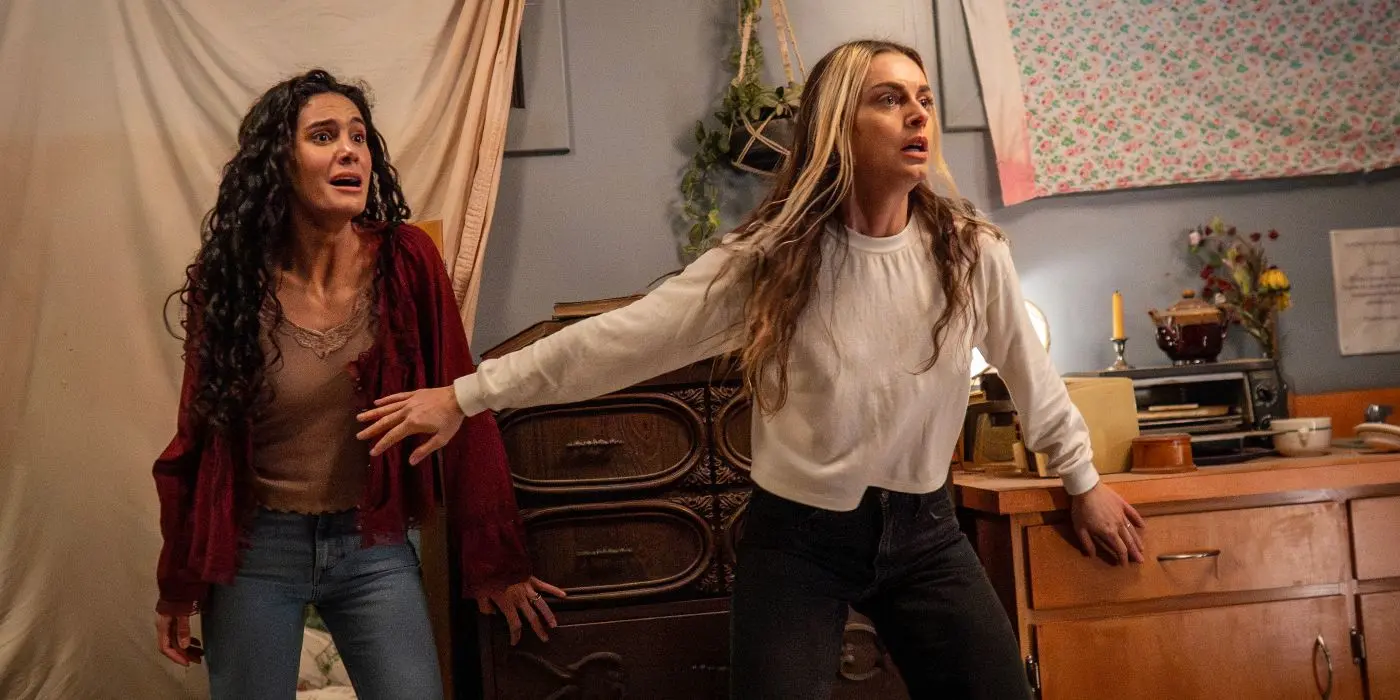 New Sci‑Fi Thriller Fails to Crack Netflix Top 10
 Denzel Washington Joins Christopher McQuarrie for Amazon MGM Thriller
Beirut itself functions as a character—its crumbling architecture, chaotic streets, and stark contrasts between wealth and decay mirror the internal fractures of the protagonists.
The cinematography captures the city’s duality: neon-lit nightclubs juxtaposed with bullet-scarred buildings, reinforcing the theme that survival often depends on navigating invisible lines drawn by power and privilege. This grounded realism elevates the thriller beyond mere spectacle. What Role Does George Clooney’s Involvement Play in the Film’s Reach? While Clooney does not appear on screen, his executive producer credit signals international confidence in the project’s artistic merit and helps bring attention to Lebanese cinema on global stages like Venice. His involvement underscores a growing trend of established Hollywood figures supporting bold, region-specific stories that might otherwise struggle to find wider distribution, potentially opening doors for more Arab filmmakers to access international platforms. The film’s success at Venice suggests a shifting appetite for crime narratives that prioritize social texture over formulaic twists.
By refusing to glorify violence or simplify motives, „Furies” offers a sobering yet exhilarating portrait of desperation and defiance, hinting at a future where genre films from the Middle East are judged not by their exoticism but by their narrative courage. Frequently Asked Questions Is „Furies” based on a true story? No, the film is a fictional narrative, though it draws inspiration from real socio-economic conditions in Beirut and the ways marginalized communities respond to systemic neglect. Does the film contain graphic violence? Yes, the heist sequences include intense and realistic depictions of violence, but they are presented in service of the story’s themes rather than for shock value alone. Will „Furies” be released in theaters outside the festival circuit? Distribution plans are still being finalized, but the strong Venice reception increases the likelihood of limited theatrical releases in select international markets followed by streaming availability.