Why This Moment Defines Michael Corleone's Arc
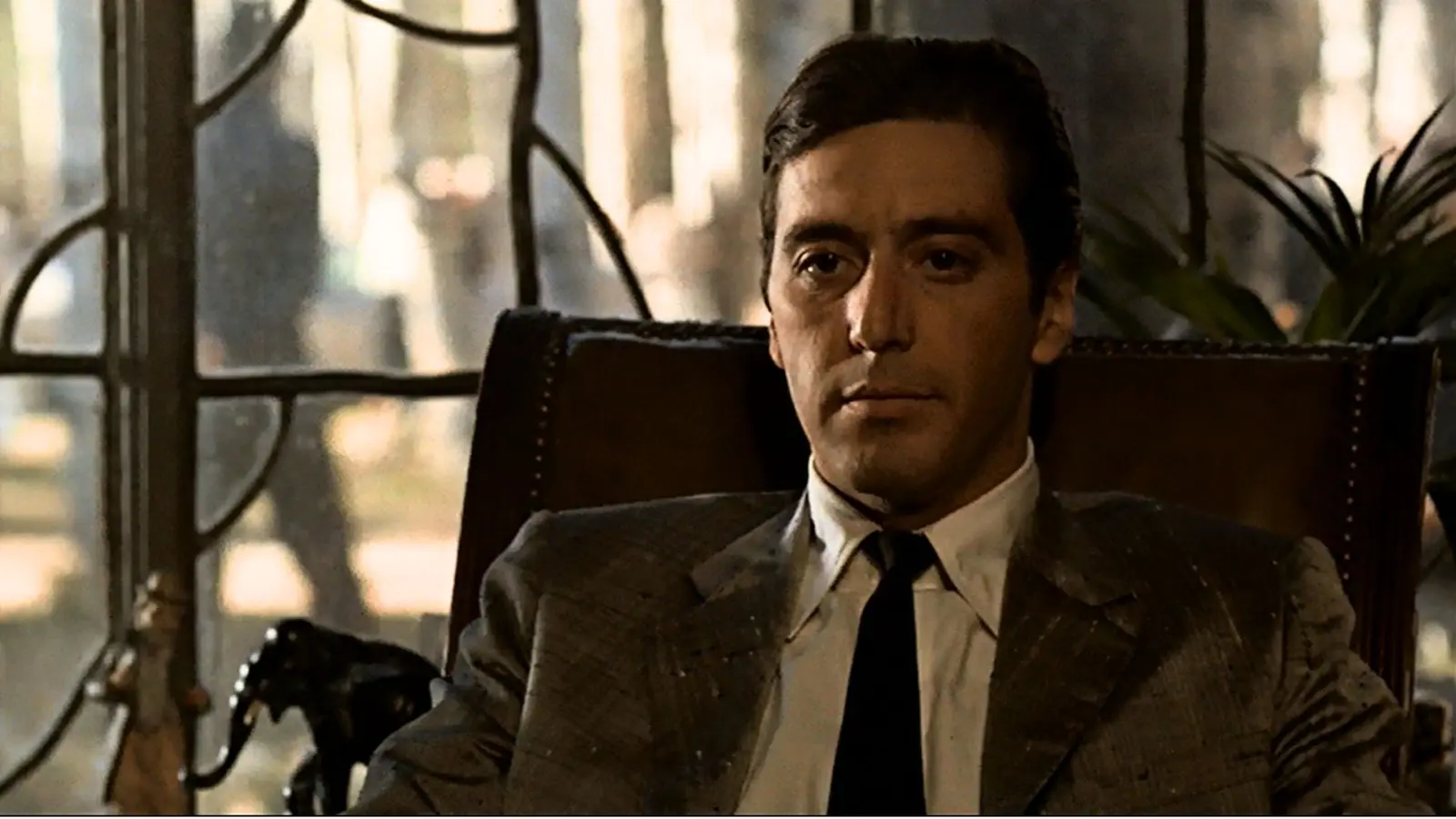
More than half a century after its release, a single line from The Godfather Part II continues to resonate as one of the most memorable in film history. Delivered by Al Pacino as Michael Corleone, the quote has endured across generations, frequently cited in discussions about power, legacy, and moral decay. Its lasting impact speaks to the film's profound influence on both audiences and critics alike.
Culture picks
 The Night Manager Returns for a High-Stakes Espionage Sequel
 Netflix Set to Remove Acclaimed Fantasy Series The Good Place Next Week
 Quentin Tarantino’s Acclaimed Hollywood Drama Returns to Global Screens
 A Bold Alternative to Mainstream Superhero Satires
The line in question, „I know it was you, Fredo. You broke my heart,”captures a pivotal moment of betrayal and familial tragedy. Spoken during a tense confrontation on a boat, it reveals Michael's cold transformation from reluctant heir to ruthless patriarch. The scene underscores the film's exploration of how power corrupts, turning love into suspicion and loyalty into weakness. Critics have long praised the delivery for its quiet devastation, noting how Pacino's restrained performance amplifies the emotional weight far beyond a shouted accusation.
How Has This Line Influenced Popular Culture?
This exchange is not merely about sibling betrayal but symbolizes Michael's complete descent into isolation. Unlike the first film, where he sought to protect his family, Part II shows him destroying it in the name of control. The tragedy lies not just in Fredo's naivety but in Michael's inability to forgive, even as he claims to value family above all. Film scholars often cite this scene as the turning point where Michael ceases to be a tragic hero and becomes a true villain, making the line a cornerstone of the character's enduring legacy.
Decades later, the quote remains a cultural touchstone, referenced in television, music, and political commentary to signify irreparable betrayal. Its power lies in its simplicity—just a few words carrying the weight of a shattered bond. Directors and actors regularly point to Pacino's performance here as a masterclass in subtext, where what is unsaid screams louder than the dialogue. The line's persistence in public discourse proves that The Godfather Part II didn't just tell a story about power—it revealed the human cost of wielding it.
What Makes This Quote Timeless in Film History?
Its timelessness stems from the universal experience of broken trust, elevated by the specific context of familial duty and criminal enterprise. Unlike flashier quotes from other films, this one gains strength from its emotional authenticity and the quiet devastation in Pacino's eyes. Audiences continue to return to it not because of its volume, but because it feels true—a moment where cinema captured the quiet horror of choosing power over love. That authenticity is why, fifty-two years on, it still stops viewers in their tracks.
Why is this line considered better than others from the film? Its power comes from understatement—Pacino delivers it with restrained anguish rather than rage, making the betrayal feel more personal and devastating than any overt threat could.
Frequently Asked Questions
How does this scene reflect the film's themes? It embodies the central theme of corruption: Michael sacrifices his humanity to protect his empire, ultimately losing the very family he sought to save.
Has Al Pacino commented on the line's lasting impact? While Pacino rarely discusses specific lines in detail, he has acknowledged that Michael's journey in Part II remains one of the most challenging and rewarding roles of his career.