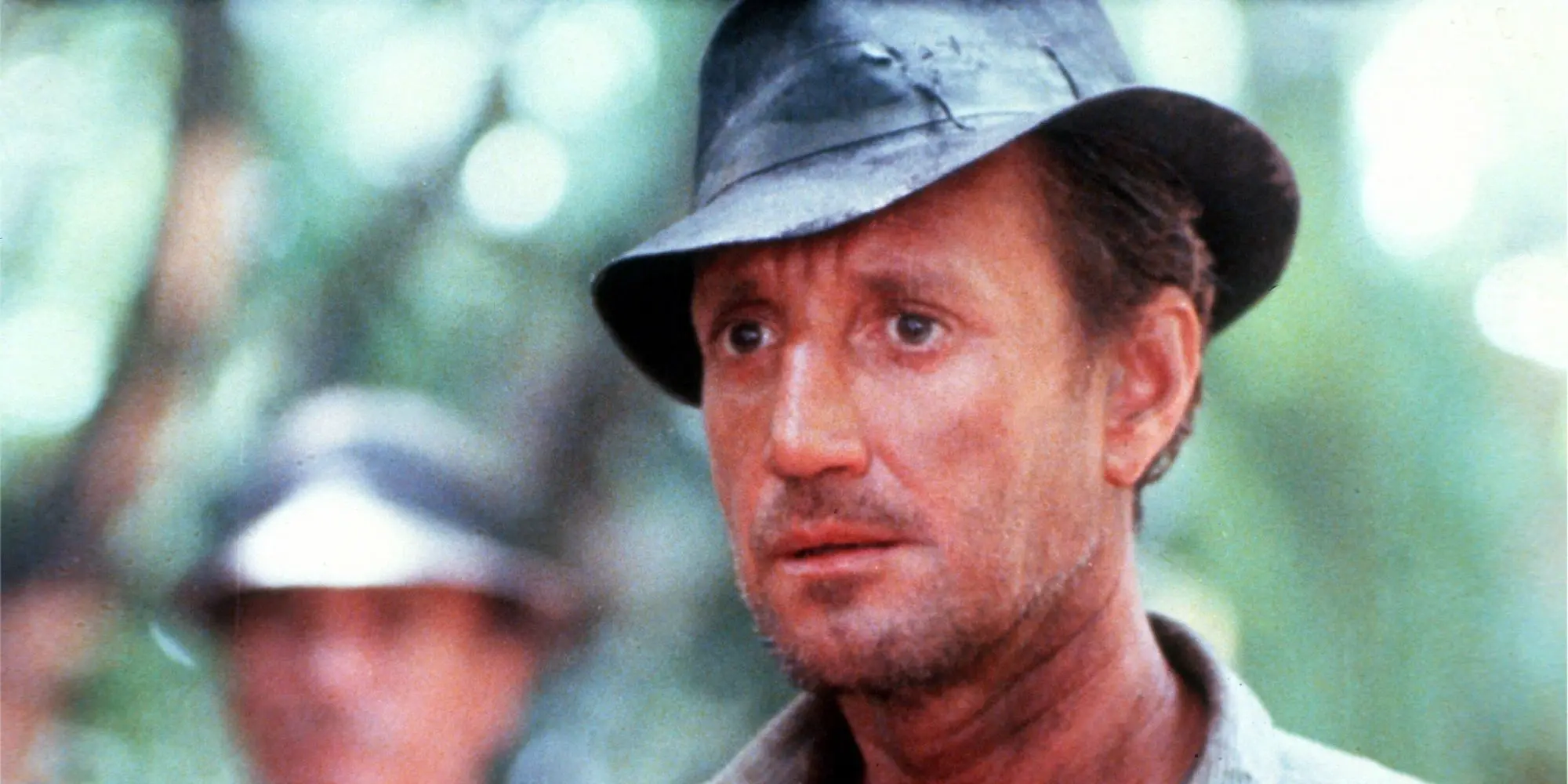
These films exemplified Friedkin’s ability to merge technical precision with
In the 1970s, director William Friedkin delivered a string of influential films that reshaped American cinema, including The French Connection and The Exorcist, two works now considered landmarks of the decade. His output during this period combined gritty realism with intense psychological depth, earning both critical acclaim and commercial success. Friedkin’s bold storytelling and willingness to tackle controversial subjects set him apart from his contemporaries. The French Connection, released in 1971, won five Academy Awards including Best Picture and Best Director, praised for its documentary-style approach and iconic car chase sequence. The Exorcist, released two years later, became a cultural phenomenon, breaking box office records and sparking widespread debate over its graphic content and themes of faith and evil.
Culture picks
 Marvel Studios Announces New Series Set to Follow Avengers: Age of Ultron
 Want to Fight Book Bans? Here’s How to Take Meaningful Action All Year Long
 Dexter: Resurrection Season 2 Set to Return with Krysten Ritter’s Enthusiastic Support
 Nine Actors Who Brought Wednesday Addams to Life, Ranked
These films exemplified Friedkin’s ability to merge technical precision with emotional intensity. How Friedkin Redefined the Crime and Horror Genres Friedkin’s work in the 1970s pushed boundaries in both crime and horror, using handheld cameras and natural lighting to create a sense of immediacy rarely seen before. His collaboration with cinematographer Owen Roizman on The French Connection brought a gritty, street-level authenticity to the detective genre. Meanwhile, The Exorcist utilized practical effects and sound design to evoke visceral fear, influencing generations of horror filmmakers. Friedkin often emphasized rehearsal and improvisation, encouraging actors to explore the psychological dimensions of their roles. What Made His 1970s Films So Controversial? The Exorcist, in particular, faced intense scrutiny upon release, with reports of audience members fainting or experiencing distress during screenings. Religious groups criticized the film for its depiction of demonic possession, while others questioned its psychological impact on viewers.
Friedkin defended the film as a serious exploration of faith
Friedkin defended the film as a serious exploration of faith, arguing that its power came from its ambiguity rather than explicit endorsement of supernatural beliefs. Despite the backlash, the film was nominated for ten Academy Awards. Frequently Asked Questions What other films did William Friedkin direct in the 1970s? Besides The French Connection and The Exorcist, Friedkin directed The Night They Raided Minsky’s (1968, though often associated with the era’s transition), Sorcerer (1977), and Cruising (1980, filmed late in the decade). Sorcerer, a remake of Henri-Georges Clouzot’s The Wages of Fear, was initially underappreciated but has since gained recognition for its tension and craftsmanship. Why is Sorcerer considered overlooked despite its quality? Sorcerer suffered from poor timing, releasing shortly after Star Wars, which dominated the box office and shifted audience preferences toward spectacle over gritty realism.
Friedkin’s film, with its slow burn and minimal dialogue, struggled to find an audience upon release but has been reevaluated by critics and directors as a masterpiece of suspense. How did Friedkin’s style influence later filmmakers? Friedkin’s emphasis on realism, moral ambiguity, and technical innovation influenced directors such as Quentin Tarantino, David Fincher, and the Safdie brothers. His use of location shooting, naturalistic performances, and unflinching portrayals of violence helped pave the way for the New Hollywood era’s evolution into more auteur-driven, psychologically complex films in the decades that followed.