Why Disney Is Betting on Influencer‑Driven Content
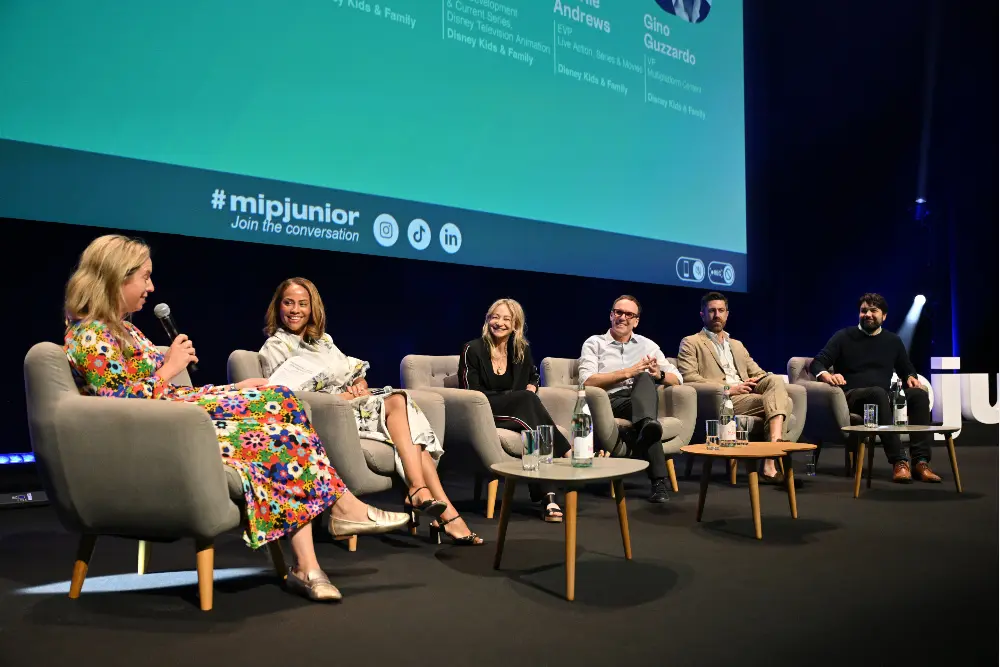
At a panel during the MIPJunior conference in Cannes on Sunday, Ayo Davis, president of Disney’s Kids & Family division, explained the company’s new strategy of collaborating with digital creators such as Dhar Mann and the Russian‑born YouTuber Nastya. The move aims to place Disney content directly in the feeds where children already spend time, rather than relying solely on traditional TV or streaming channels.
Culture picks
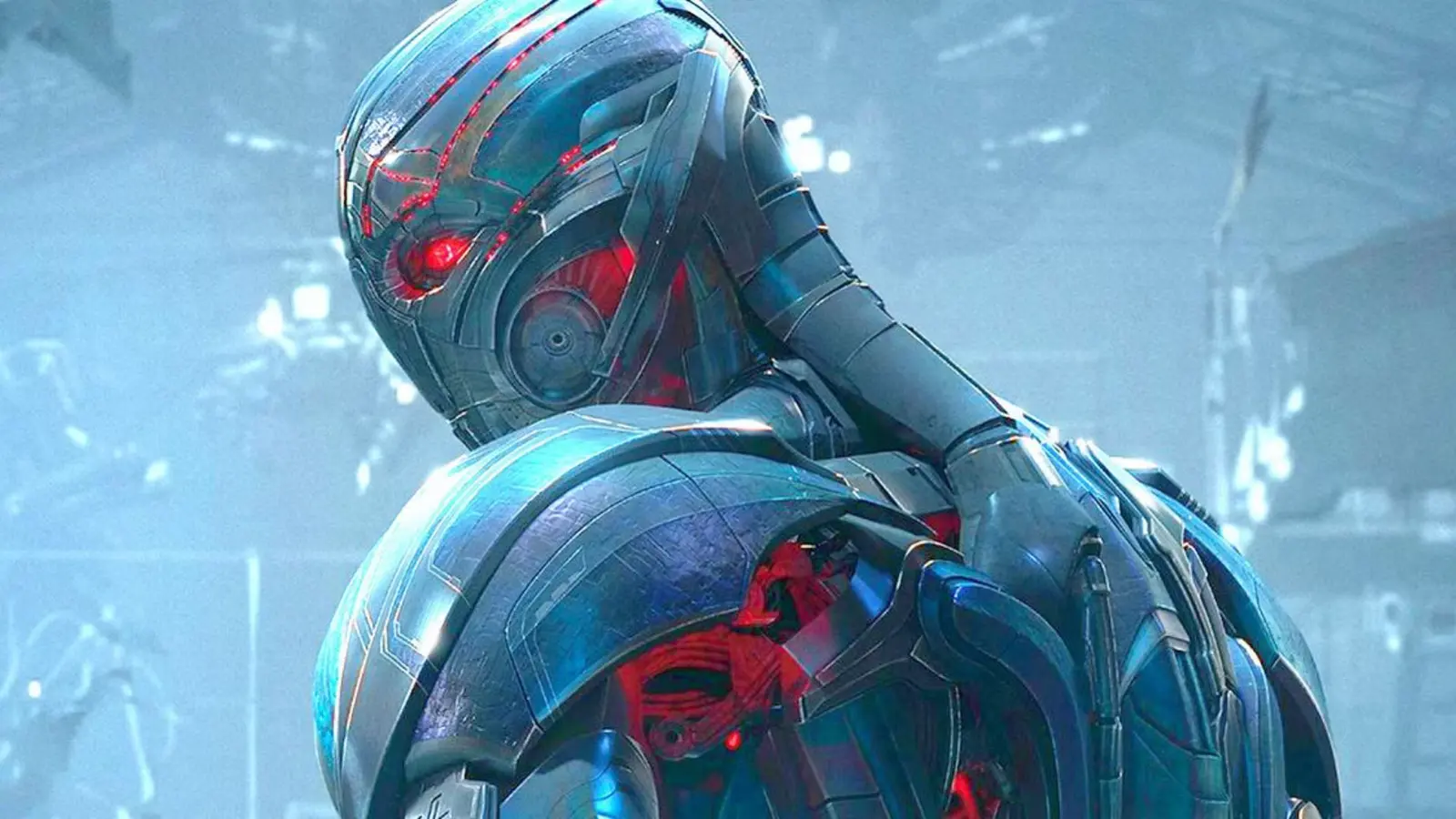 Marvel Studios Announces New Series Set to Follow Avengers: Age of Ultron
 Want to Fight Book Bans? Here’s How to Take Meaningful Action All Year Long
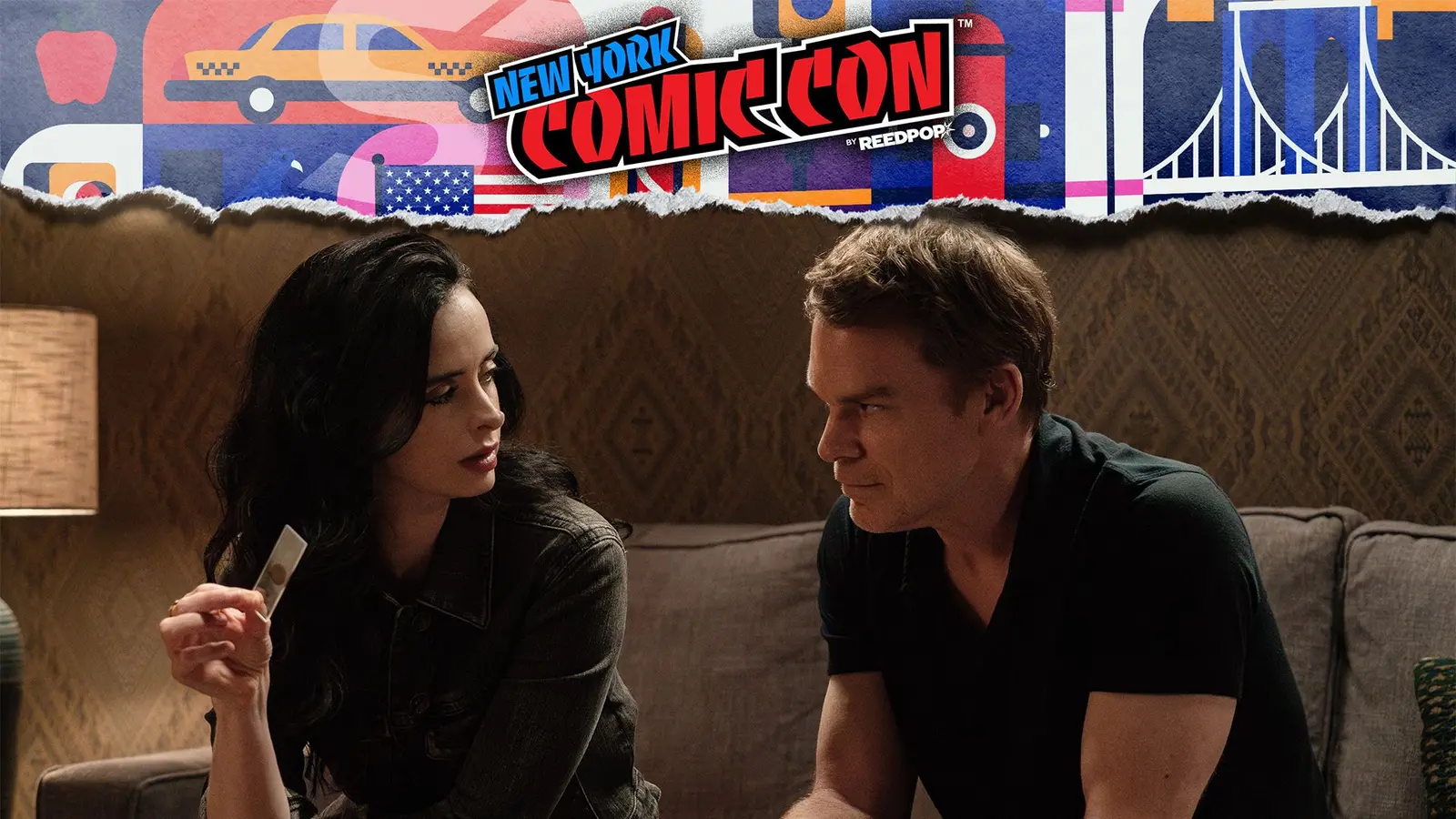 Dexter: Resurrection Season 2 Set to Return with Krysten Ritter’s Enthusiastic Support
 Nine Actors Who Brought Wednesday Addams to Life, Ranked
Disney’s shift reflects a broader industry trend: children’s media consumption is increasingly platform‑agnostic. By partnering with creators who command millions of followers on TikTok, YouTube and Instagram, Disney hopes to embed its values and storytelling into formats that feel native to young viewers. The company will co‑produce short‑form videos, interactive challenges and branded story snippets that align with the creators’ existing styles while maintaining Disney’s family‑friendly standards. „We’re not trying to replace what kids love; we’re adding Disney into the mix,” Davis said. The collaborations will be tested in select markets before a global rollout later next year.
The decision follows data showing that children under twelve now spend an average of three hours daily on short‑form video platforms. Traditional broadcast ratings have dipped, prompting studios to explore new distribution models. Dhar Mann, known for moral‑driven dramas, will work with Disney to craft bite‑size lessons that echo his „life‑changing” themes but feature Disney characters. Meanwhile, Nastya’s vibrant toy‑unboxing style will be blended with Disney’s latest animated releases, creating cross‑promotional clips that encourage kids to explore the full movies on Disney+.
Can This Approach Sustain Long‑Term Engagement?
Industry analysts note that Disney’s brand equity gives it a safety net that many independent creators lack. „When a trusted name like Disney partners with a creator, parents feel more comfortable allowing their kids to watch,” said media consultant Elena Ruiz. Early tests in Brazil and Southeast Asia have shown a 27 % lift in brand recall among children exposed to the co‑created videos, according to Disney’s internal metrics.
Critics question whether short‑form collaborations can translate into deeper loyalty to Disney’s longer‑form content. The risk lies in the fleeting nature of viral videos, which may boost momentary visibility but not necessarily drive subscriptions. Disney plans to link each influencer piece to a clear call‑to‑action, directing viewers to watch the full story on Disney+. Moreover, the company is investing in analytics to track how many viewers transition from a 15‑second clip to a full‑length episode. „Our goal is to turn a quick laugh into a lasting relationship with our characters,” Davis emphasized.
If successful, the model could reshape how legacy studios approach kids’ media, blurring the line between creator‑led content and corporate storytelling. Other major players, including Warner Bros. and Netflix, are reportedly evaluating similar partnerships. The outcome may dictate whether influencer collaborations become a staple of children’s entertainment or remain a niche experiment.
Frequently Asked Questions
How will Disney ensure its content remains appropriate for children when working with creators? Disney will retain editorial control, requiring all co‑produced material to pass its stringent family‑safety guidelines before release.
Will these collaborations replace traditional Disney shows? No. The short‑form videos are intended to complement existing series and movies, not replace them.
When can viewers expect the first Disney‑creator videos to appear? Pilot clips are slated for launch in select markets during Q1 2027, with a broader rollout planned for later that year.