The Swamp Thing Legacy and Its Influence on New Projects
The DC Comics‑based streaming network has officially pulled the plug on its planned 10‑episode horror series, a move that has left many fans and industry observers puzzled. The cancellation comes after the network’s earlier investment in the supernatural franchise „Swamp Thing,” which blended horror elements with faithful comic‑book storytelling and still resonated with audiences. The decision follows a period of experimentation with genre‑mixing projects, including the recent „Clayface” film that provided a welcome break from the under‑performing „Supergirl” franchise.
Culture picks
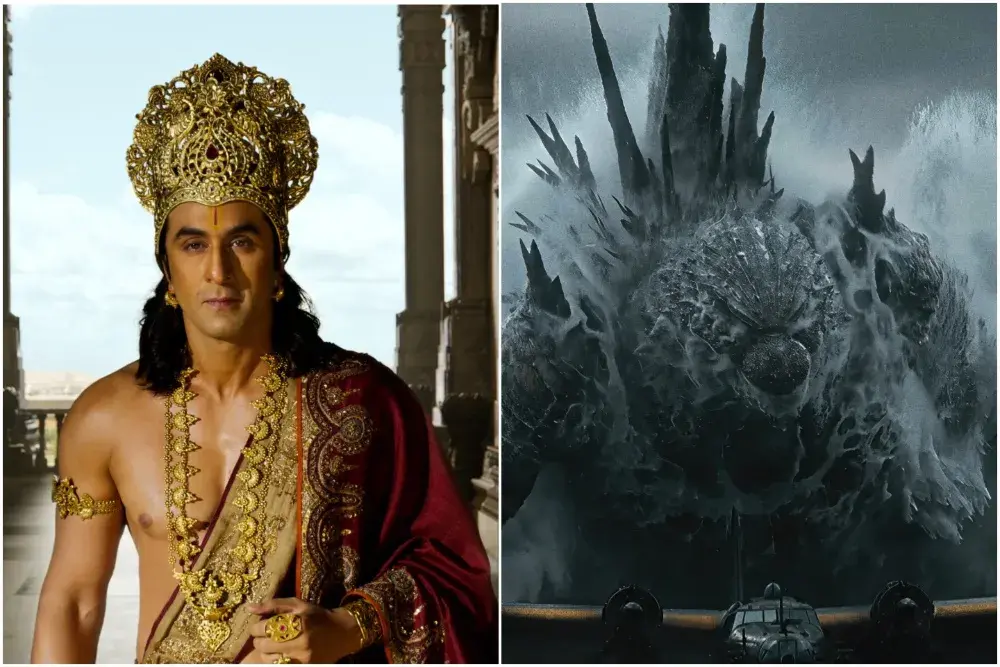 Ramayana made history as the first Indian film to top the box office in the UK, Ireland as Godzilla Minus Zero debuted at number three
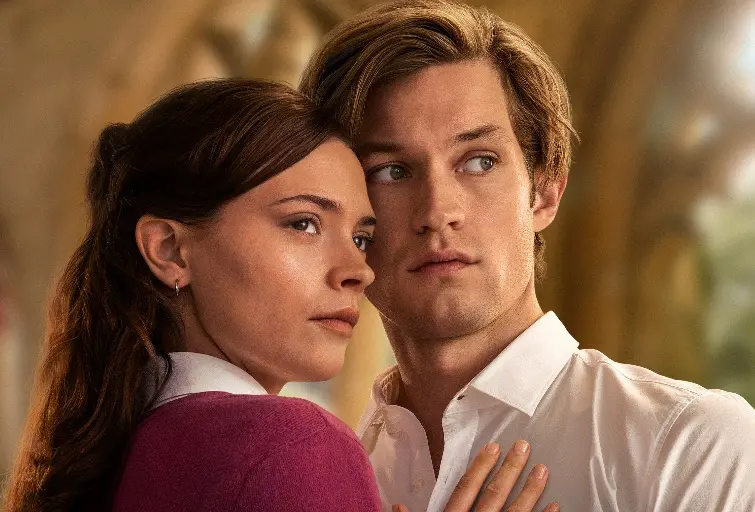 Maxton Hall: James Fights for Ruby in Final Season Trailer
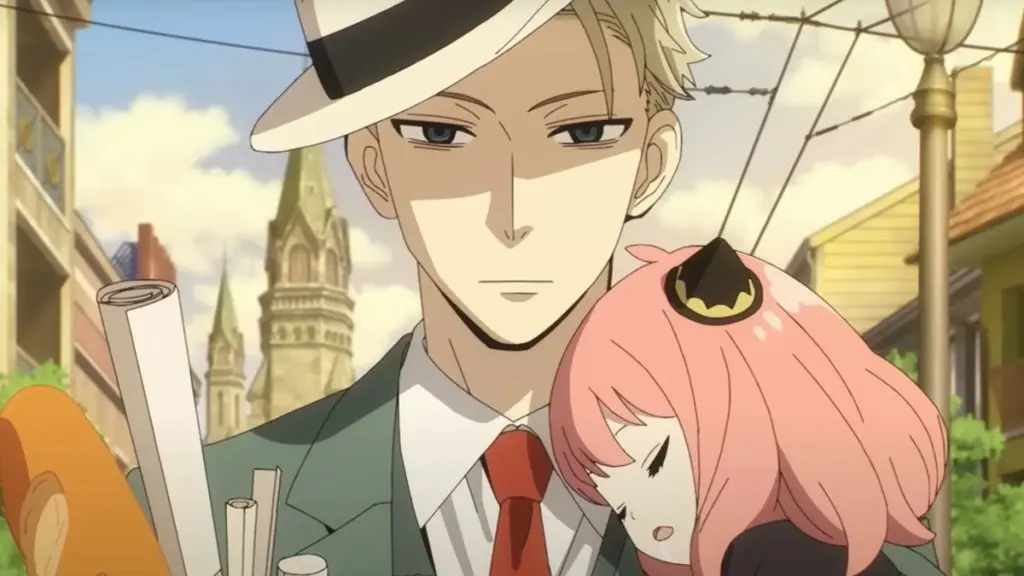 Spy x Family Set for Season Four and New Release Window
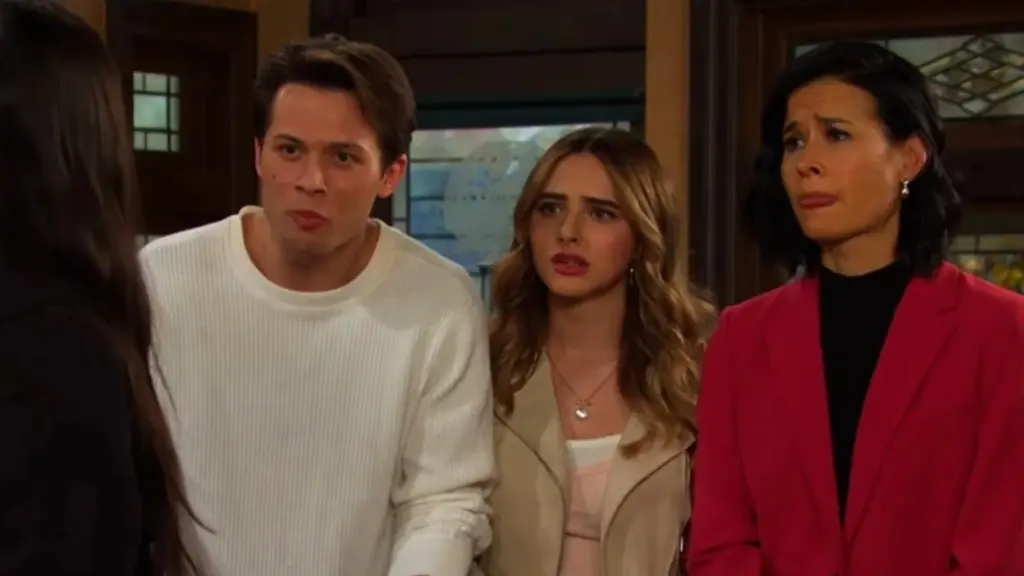 The days of our lives reveal who's coming and going this week of November 9-13
The network had originally announced the series as part of a broader strategy to diversify its content slate and tap into the growing appetite for horror‑driven narratives. Production had begun with a cast of well‑known actors and a production team that included veteran writers and directors from the DC universe. However, after reviewing early footage and audience metrics, the network concluded that the series would not meet its projected viewership targets. The cancellation was announced in a brief statement that cited „creative differences” and a shift in strategic priorities.
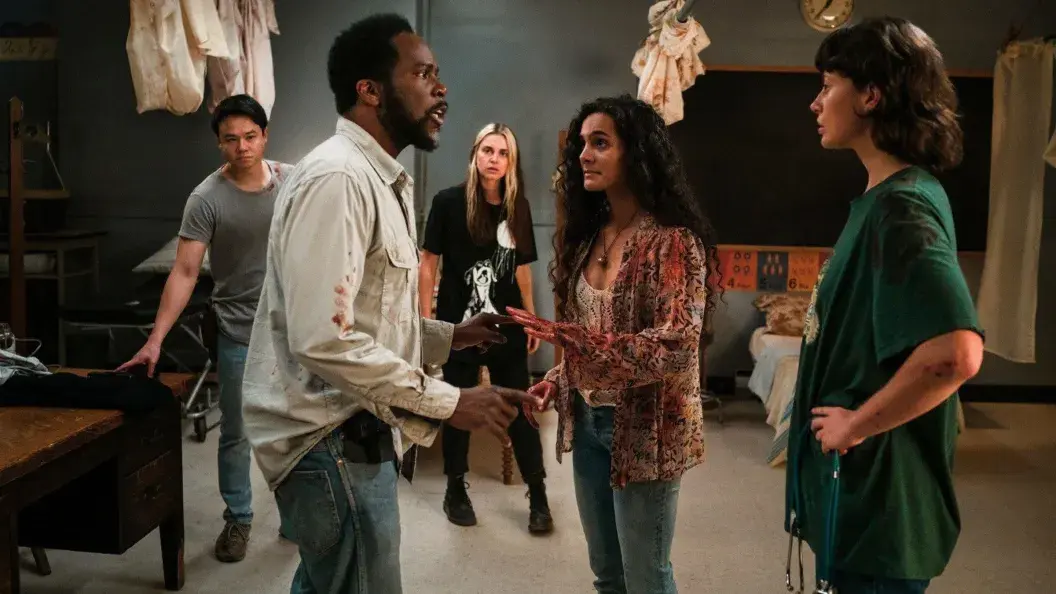
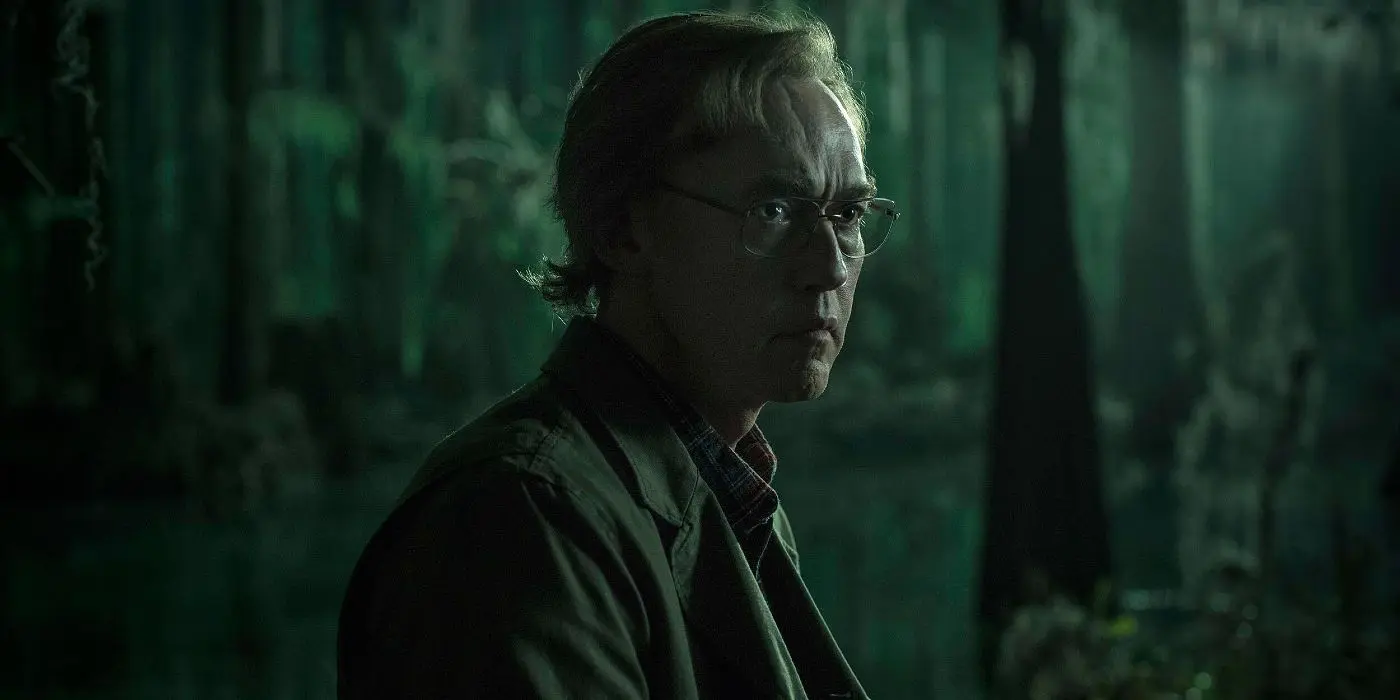
Swamp Thing’s success proved that horror could coexist with the DC brand when handled with care and respect for source material. The show’s creators, who had previously worked on „The Walking Dead” and „American Horror Story,” brought a nuanced approach to the creature’s mythology, blending ecological themes with psychological terror. The series received praise for its atmospheric tone and character development, and it earned a dedicated fanbase that followed the show through its two‑season run.
Why the Cancellation Matters – A Question of Brand Strategy
The positive reception of Swamp Thing encouraged the network to explore similar concepts, hoping to replicate that blend of horror and superhero lore. „Clayface” was the first step in this direction, offering a fresh take on a classic DC villain while maintaining a grounded, character‑driven narrative. The film’s success demonstrated that audiences were receptive to darker, more complex stories within the DC universe, setting the stage for the proposed horror series.
Why did the network abandon a project that seemed to fit its recent successes? Analysts suggest that the decision may stem from a reassessment of the brand’s core identity. DC has long balanced its superhero catalog with more experimental ventures, but the recent failures of high‑budget films and the lukewarm reception of certain television pilots have prompted a reevaluation of risk. The network may be choosing to focus resources on projects with clearer commercial prospects, such as high‑profile superhero movies and established animated series.
Additionally, the network’s internal metrics indicated that the early footage of the horror series did not generate the level of engagement expected from the network’s audience base. The network’s leadership may have concluded that the series would dilute the brand’s overall appeal, especially if it diverges too far from the superhero core that fans associate with DC.
The Future of DC’s Horror Ambitions
The cancellation does not signal the end of horror‑themed content for DC. The network has already announced a new supernatural thriller that will premiere on its streaming platform next year, featuring a different creative team and a distinct narrative approach. This new project aims to capture the same atmospheric tension that made Swamp Thing a hit while avoiding the pitfalls that led to the recent cancellation.
Fans who followed the canceled series can look forward to the upcoming thriller, which promises to blend DC’s mythos with contemporary horror tropes. The network’s commitment to diversifying its content slate remains clear, but it appears that the strategy will now prioritize projects with a stronger alignment to the brand’s core strengths and audience expectations.
Frequently Asked Questions
What was the original premise of the cancelled horror series? The series was intended to explore a new DC character with supernatural abilities, blending horror elements with the network’s superhero lore. It was set to span ten episodes, focusing on character development and atmospheric storytelling.
How does the cancellation affect DC’s overall content strategy? It signals a shift toward projects with higher commercial viability and clearer alignment with the brand’s core identity. The network will likely invest more in proven franchises and new concepts that demonstrate strong audience interest.
Will DC release any new horror projects in the near future? Yes, a new supernatural thriller is slated for release next year on the network’s streaming platform, featuring a different creative team and a fresh narrative approach that aims to capture the success of earlier horror‑driven DC content.