Survival Against Studio Odds
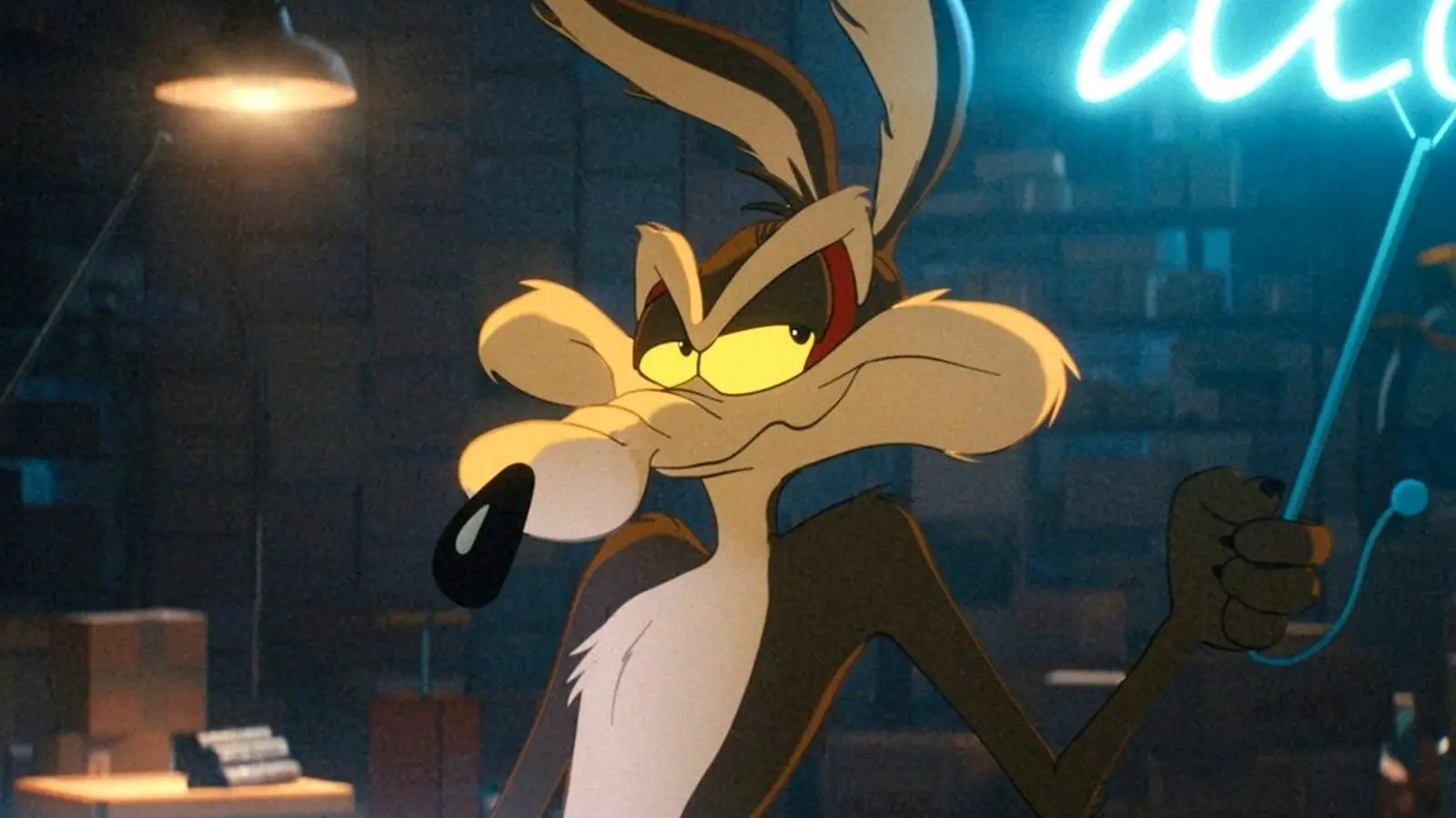
The animated film Coyote vs. Acmehas finally reached theaters after surviving a near-cancellation. Warner Bros. previously considered scrapping the project entirely to claim a tax write-off. Now released in March 2025, the movie’s performance offers critical insights into the franchise’s future. Fans have waited years for this legal battle between the Wile E. Coyote and the Acme Corporation to reach the big screen.
Culture picks
 New Shonen Jump Manga Fixes Long‑Standing Genre Flaw
 Clayface: DCU’s First R‑Rated Horror Film Set to Shock Gotham
 Prime Video Casts Rising Stars Esther McGregor and Emilio Sakraya as Violet and Xaden in New Romantasy Series
 MAMA Awards 2026 Set to Spotlight K‑Pop Powerhouses in Osaka
Warner Bros. initially planned to abandon the production process. Executives viewed the unfinished film as a financial liability rather than an asset. This strategy allowed the studio to offset costs against other profits through tax deductions. However, the decision was reversed, giving the film a second chance at distribution. The shift highlights internal debates over how studios manage long-gestating projects. It also reflects a broader trend where completed or nearly finished films are pushed toward release to avoid permanent losses. The journey from potential cancellation to theatrical debut underscores the unpredictable nature of Hollywood development hell.
What Do The Numbers Say About Franchise Viability?
The box office receipts for Coyote vs. Acmeserve as a primary indicator for future investment. Strong opening numbers would suggest that audiences remain engaged with classic cartoon characters. Conversely, weak returns might signal a need for different marketing strategies or character adaptations. The film’s success depends on balancing nostalgia with modern storytelling sensibilities. Viewers who grew up with the original shorts must feel connected to this new narrative. Additionally, the performance will influence whether Warner Bros. greenlights similar projects based on other iconic Looney Tunes properties.
Why was the movie almost cancelled? Warner Bros. sought to cancel the film to utilize it as a tax write-off. This accounting move helped reduce the studio’s overall taxable income during that period.
Frequently Asked Questions
When did the film finally release? The movie hit theaters in March 2025. This marked the end of a long development cycle that included periods of uncertainty regarding its fate.
How does this affect other Looney Tunes projects? Box office results will directly impact future funding decisions. High revenue supports new adaptations, while low revenue may pause similar initiatives.