
When a Movie Account Picks a Fight
The official Clayface account reshared a Halloween-themed post mocking Nathan Fielder’s documentary You Can See. This move immediately divided the fanbase. Many viewers criticized the timing and tone of the promotion. The film belongs to the DC Universe franchise. The post targeted Fielder’s hit work directly.
Culture picks
 Pluribus' Season 2 Filming Begins
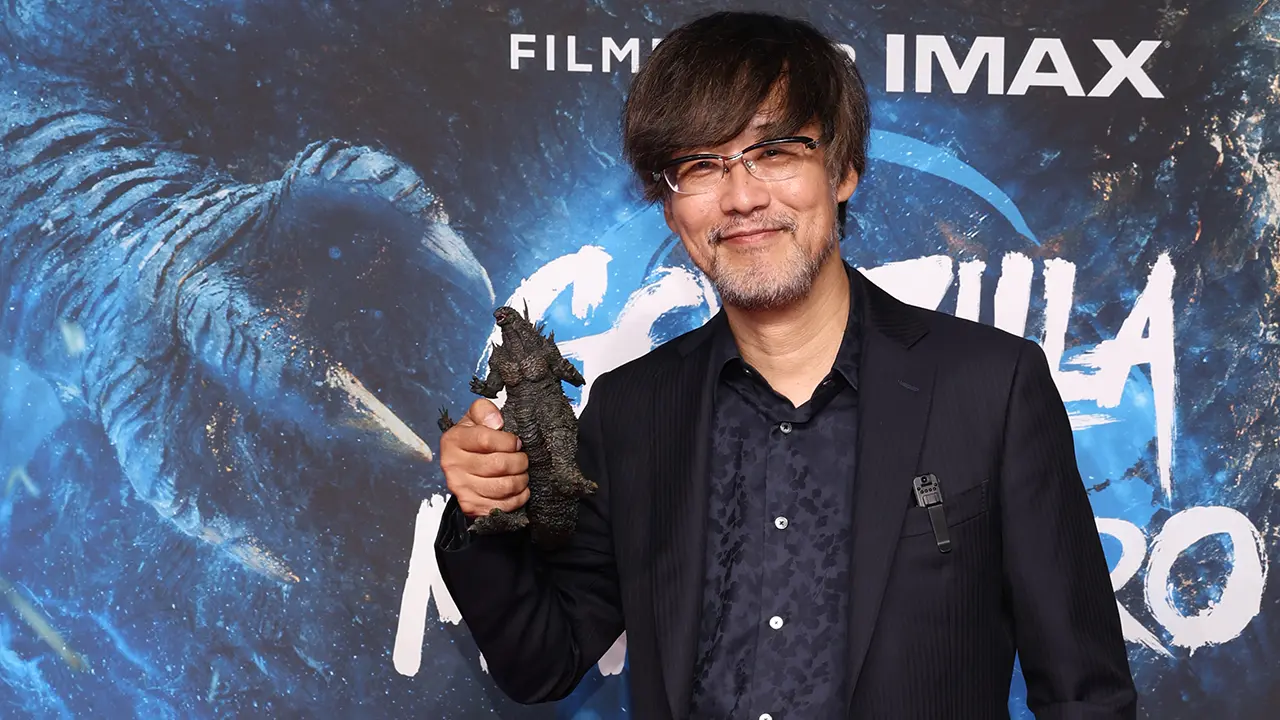 Godzilla Minus Zero director rejects the sequel trap
 Bautista Gains Muscle for God of War Role
 Hulu Drops Trailer for New Holiday Rom-Com Starring Lucy Hale and Ian Harding
The controversy centers on how the studio handles cross-promotion. Fans argued that mocking a popular documentary creator was risky. Nathan Fielder is known for his distinctive storytelling style. The Clayface team chose a Halloween angle to draw attention. Critics felt the joke fell flat with the target audience. Some fans defended the post as playful marketing. Others saw it as an unnecessary jab at a respected filmmaker. The debate quickly spread across social media platforms.
Is the Controversy Costing the Film?
The backlash highlights a broader trend in movie marketing. Studios now use social media to generate buzz. However, this strategy can backfire. Fans expect brands to align with their values. Mocking a well-known creator can create lasting resentment. The DCU team must now manage the damage. Future posts may need more careful review. The incident shows how quickly a single post can shape public perception.
Why did fans react so strongly to the post? Fans felt the joke targeted Nathan Fielder personally. Many view him as a creative risk-taker. The mocking tone clashed with the respectful tone usually expected between creative communities.
Frequently Asked Questions
What is the Clayface film about? Clayface is a DC Universe movie. It features a villain made of clay. The film aims for a dark, gritty tone. The Halloween post was meant to build pre-release excitement.
Will the studio change its social strategy? The backlash suggests the team may review its posting guidelines. Studios often adjust tactics after public criticism. The incident serves as a case study in digital marketing risks.