Why Do Unrealistic Movie Tropes Endure?
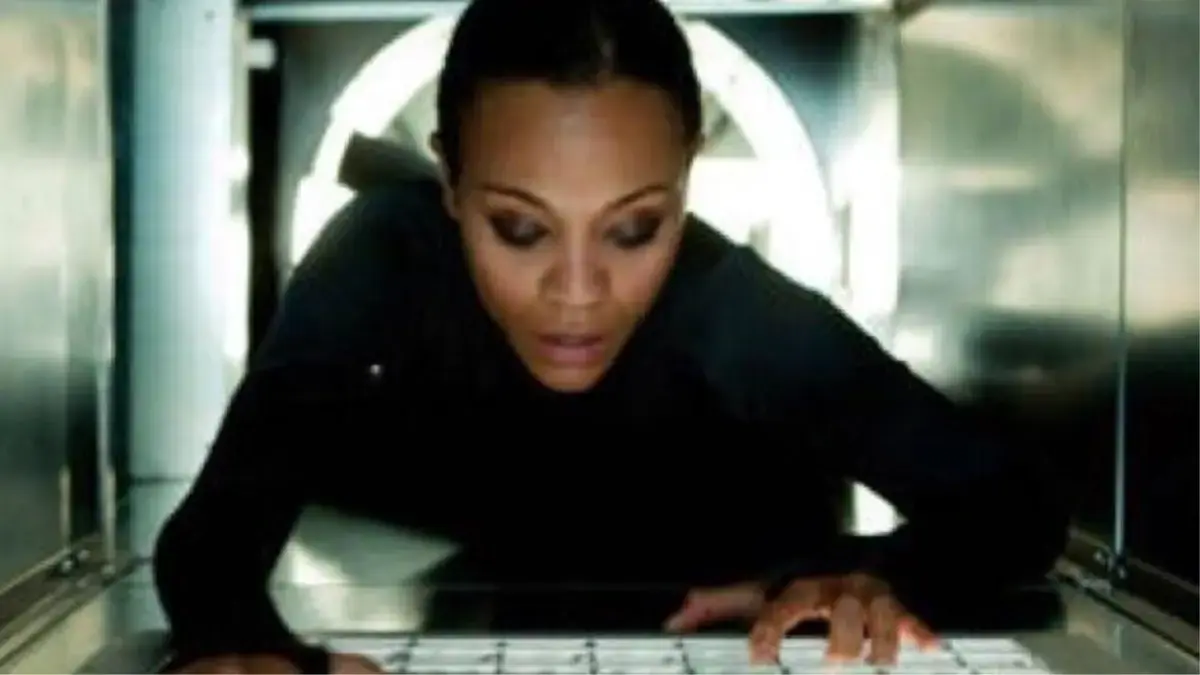
Filmmakers often take liberties with reality. Many movie clichés, however, have become so prevalent they are hard to ignore. These impossible scenarios appear in nearly every film, regardless of its genre. They create a disconnect between the cinematic world and everyday life.
Culture picks
 The Expanding Universe of Stranger Things After the Final Season
 A Dark Lesson in Greed Takes the Stage at Pasadena Playhouse
 Rolf de Heer to Lead Tokyo Film Festival Jury
 George Lucas Defends Controversial Star Wars Edits and CGI Choices
These recurring unrealistic situations are now a common fixture on screen. Audiences have grown accustomed to them, even while acknowledging their absurdity. It raises questions about creative storytelling versus authentic representation.
The enduring presence of these tropes suggests they serve a purpose. Perhaps they simplify narratives or heighten drama. They might also cater to audience expectations for certain types of entertainment. The goal is often to entertain, not to document.
Are Audiences Tired of These Clichés?
Consider the hero who always survives impossible odds. Or the perfect, spontaneous kiss in the rain. These moments, while charming, rarely reflect real-world experiences. They contribute to a shared cinematic language that prioritizes spectacle over realism.
While some viewers might find these tropes tiresome, many others embrace them. They are part of the escapism that movies offer. The suspension of disbelief is a key component of enjoying fiction. It allows for fantastical elements to be accepted.
However, a growing number of critics and viewers are calling for more originality. They seek stories that challenge conventional narratives. This push for greater authenticity could eventually lead to fewer overused cinematic devices. The balance between fantasy and believability remains a constant challenge for creators.
Frequently Asked Questions
What is a common example of an unrealistic movie cliché? A common example is the protagonist who always finds a parking spot directly in front of their destination, even in a busy city. This rarely happens in real life but saves screen time.
Why do filmmakers continue to use these unrealistic elements? Filmmakers often use these elements to advance the plot quickly, add dramatic flair, or simplify complex situations. They are tools to enhance the storytelling experience for the audience.
Do these clichés affect the quality of a film? The impact on film quality varies. While some clichés can make a film feel predictable or lazy, others are so ingrained in cinematic language that they are accepted as part of the genre's conventions.