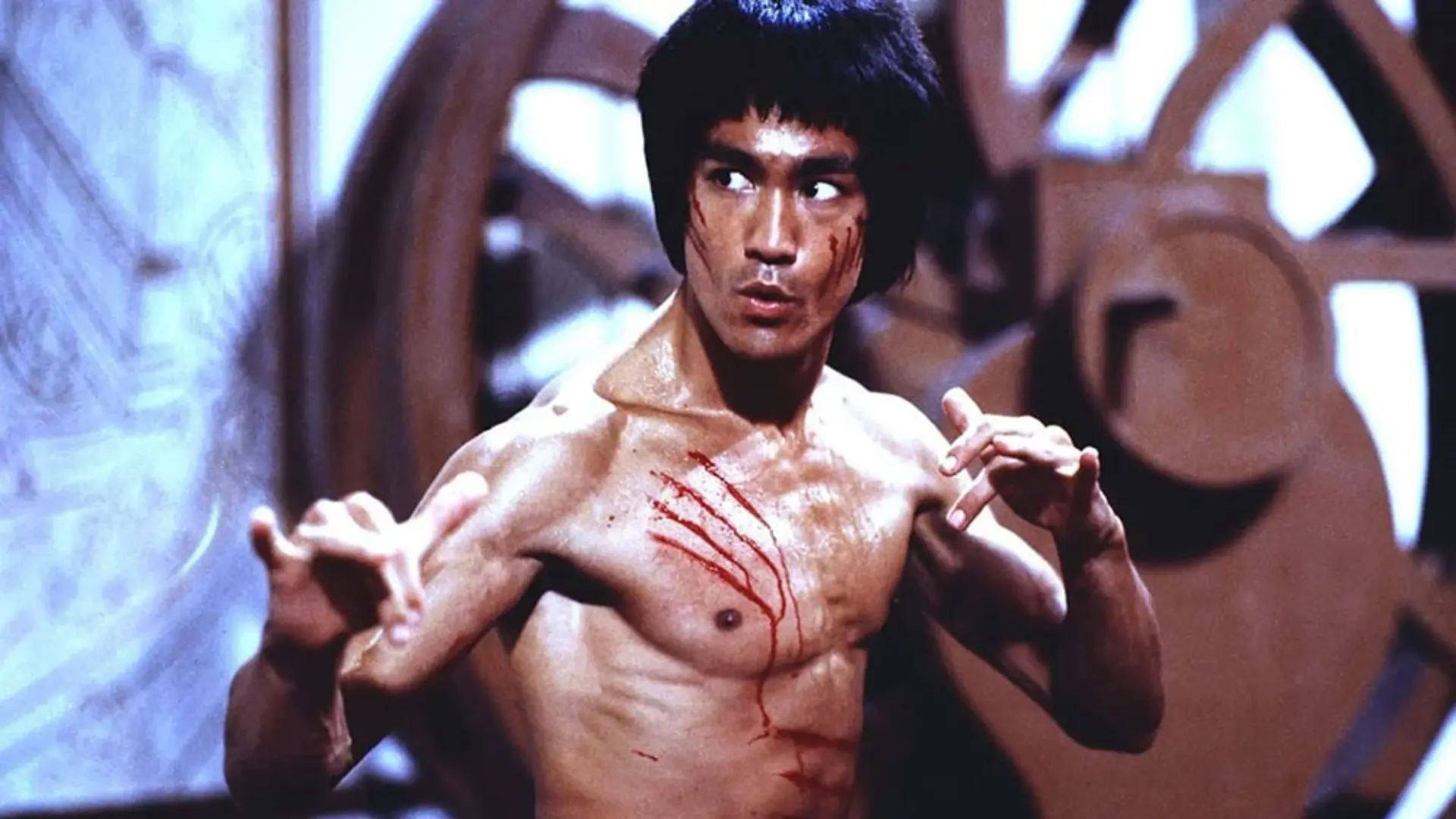
Masterpieces of Choreographic Precision
While Bruce Lee’s 1973 masterpiece often dominates discussions regarding martial arts cinema, the genre offers a vast landscape of technical brilliance and storytelling. Enthusiasts frequently cite Enter the Dragon as the definitive standard, yet a wealth of alternative films provides equally compelling choreography, cultural depth, and cinematic innovation for modern audiences.
Culture picks
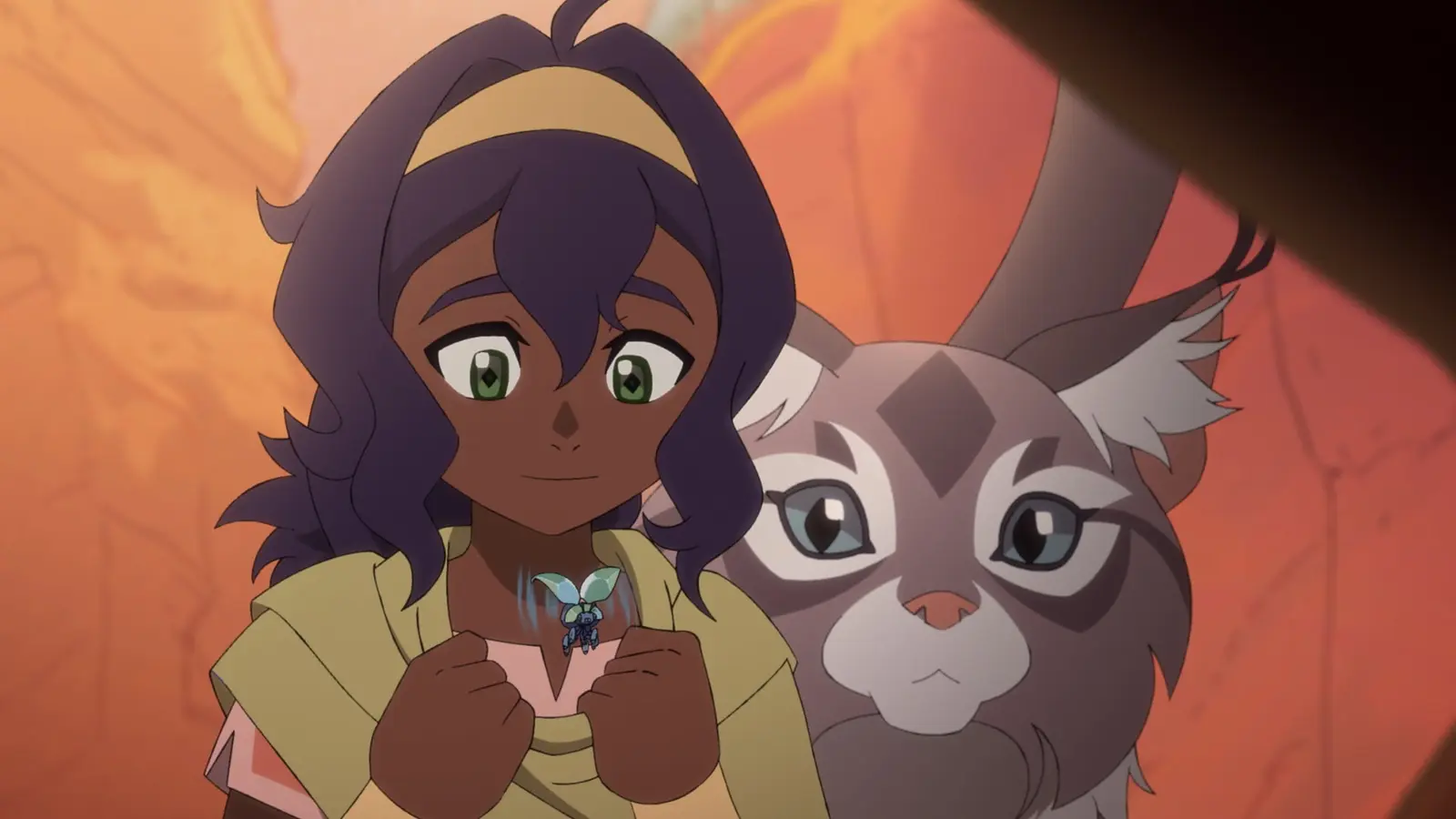 Avatar: Seven Havens Launches on Paramount+—What It Means for Viewers
 Warner Music Sues EssilorLuxottica Over Unlicensed Music Use in Ray‑Ban Ad Campaign
 GENER8ION and Yung Lean’s „Storm II” Breaks Into Billboard Hot 100
 Kacey Musgraves Responds to Political Commentary at Country Music Awards
The genre evolved significantly through the decades, moving from traditional Shaw Brothers epics to the gritty, high-stakes narratives of contemporary action cinema. Directors have consistently pushed the physical limits of their performers, blending intricate fight sequences with deep philosophical explorations of honor, discipline, and vengeance. These films remain vital for understanding the evolution of global action filmmaking.
Great martial arts cinema relies on more than just physical prowess. It requires a seamless marriage between camera movement and human kinetic energy. Films like The 36th Chamber of Shaolin redefined how audiences perceive training sequences, turning the arduous process of skill acquisition into a narrative centerpiece. By focusing on the internal journey of the protagonist, these movies elevate combat from mere violence to a form of visual poetry.
Why Do These Classics Still Matter Today?
Performers such as Jackie Chan and Jet Li further transformed the genre by incorporating humor and gravity-defying stunts. Their work demonstrates that the best martial arts films are those that prioritize character development alongside high-octane sequences. This balance ensures that the impact of every strike feels earned, grounding the spectacle in genuine emotional stakes that resonate long after the final credits roll.
The enduring appeal of these films lies in their universal themes. Whether exploring the complexities of family loyalty or the struggle for justice in corrupt societies, these stories transcend their original cultural origins. Modern directors continue to draw inspiration from these foundational texts, utilizing their pacing and visual language to inform today’s blockbuster action sequences.
Frequently Asked Questions
By looking beyond the most famous titles, viewers discover a richer history of cinema. These hidden gems provide a broader perspective on how different directors approach the human body as a narrative tool. As the industry continues to evolve, these essential works remain the bedrock upon which all modern combat-focused storytelling is built.
What makes these films different from standard action movies? These films prioritize the technical discipline and philosophy of the combatants over simple explosions. They focus on the mastery of movement as a narrative device.
Are these older films still enjoyable for modern audiences? Absolutely, as the choreography remains superior to many modern CGI-heavy productions. The raw athleticism and practical effects provide a visceral experience that holds up remarkably well.