Echoes of the 1954 Masterpiece
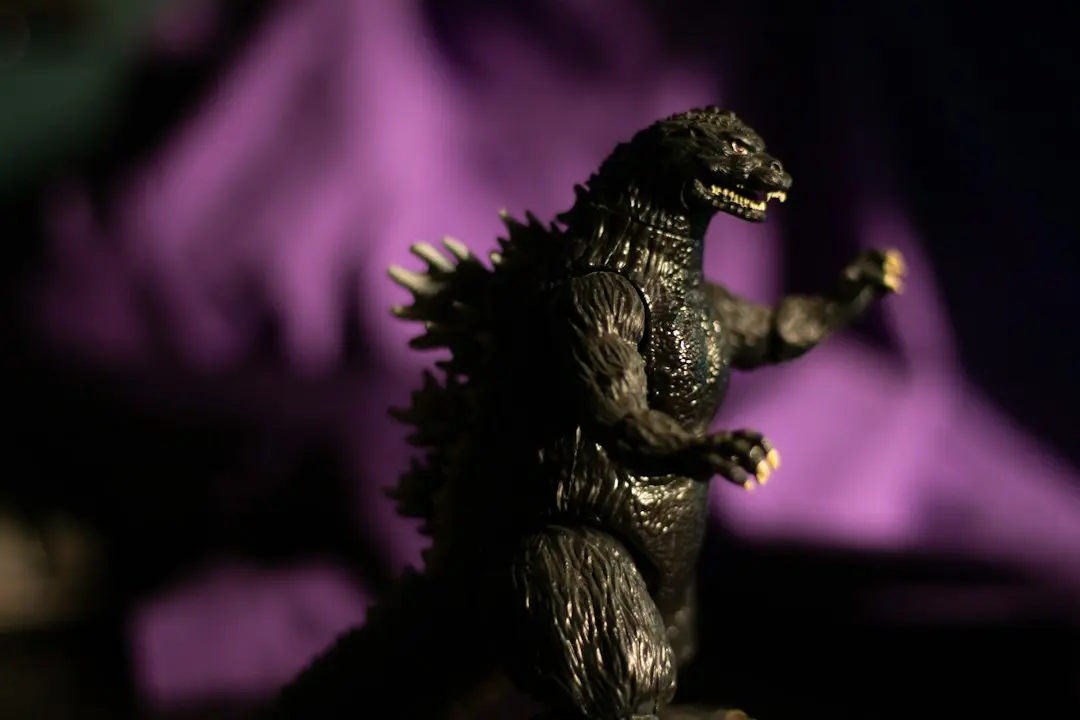
Director Takashi Yamazaki brings a somber, grounded perspective to the legendary monster in his latest feature, Godzilla Minus One. Debuting at the New York Film Festival, the film strips away modern spectacle to revisit the creature's origins. It serves as a haunting meditation on postwar trauma, echoing the gravity of the 1954 original.
Culture picks
 The Definitive Masterpiece of Modern Haunted House Cinema
 The Complete Roadmap for Future Star Wars Projects
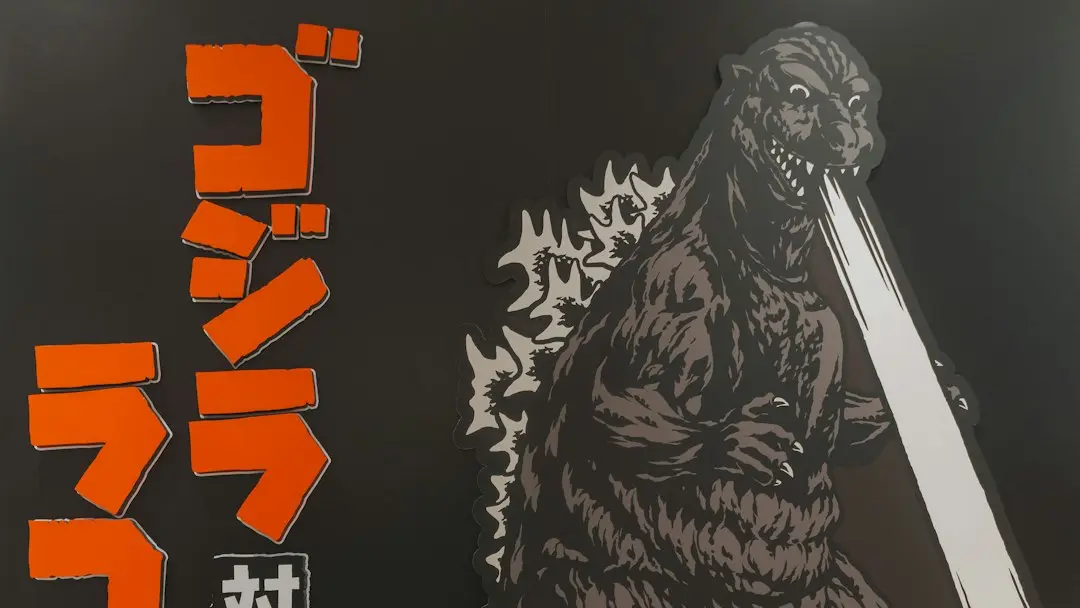 A Masterclass in Kaiju Cinema: The Latest Godzilla Achievement
 Five Classic Star Trek Episodes That Failed the Test of Time
The narrative shifts focus from global catastrophe to the personal struggles of survivors in a devastated Japan. By emphasizing human loss over mindless destruction, Yamazaki crafts a story that feels intimate and urgent. The film treats the giant creature not just as a spectacle, but as a visceral manifestation of national grief and scientific catastrophe.
The original 1954 film established a template where a giant lizard represented the terrifying consequences of nuclear proliferation. While many subsequent entries leaned into campy action or monster brawls, this new iteration returns to that darker, philosophical foundation. It acknowledges that the most effective horror often stems from the consequences of unchecked human ambition.
Can Modern Spectacle Retain Emotional Depth?
Yamazaki balances the technical requirements of a blockbuster with a character-driven script. The monster remains a terrifying force of nature, yet the audience is encouraged to care deeply about the people caught in its path. This approach honors the legacy of Ishirō Honda while carving out a distinct, modern identity.
The challenge for any contemporary monster movie is maintaining stakes when the protagonist is a skyscraper-sized beast. By grounding the narrative in the immediate aftermath of war, the film forces viewers to confront the fragility of rebuilding a society. It suggests that the true monster is not just the creature, but the lingering scars of history.
Frequently Asked Questions
Ultimately, the film succeeds by refusing to treat its titular character as a mere prop. It demands that the audience engage with the human cost of the chaos unfolding on screen. This thoughtful balance ensures the project stands out as a significant entry in the long-running franchise.
Does this film connect to previous modern entries? No, this is a standalone story that functions as a reimagining of the franchise's core themes. It operates independently of other cinematic universes.
Is the film primarily an action movie? While it features significant spectacle, the film prioritizes character development and emotional weight. It functions more as a historical drama with elements of horror.