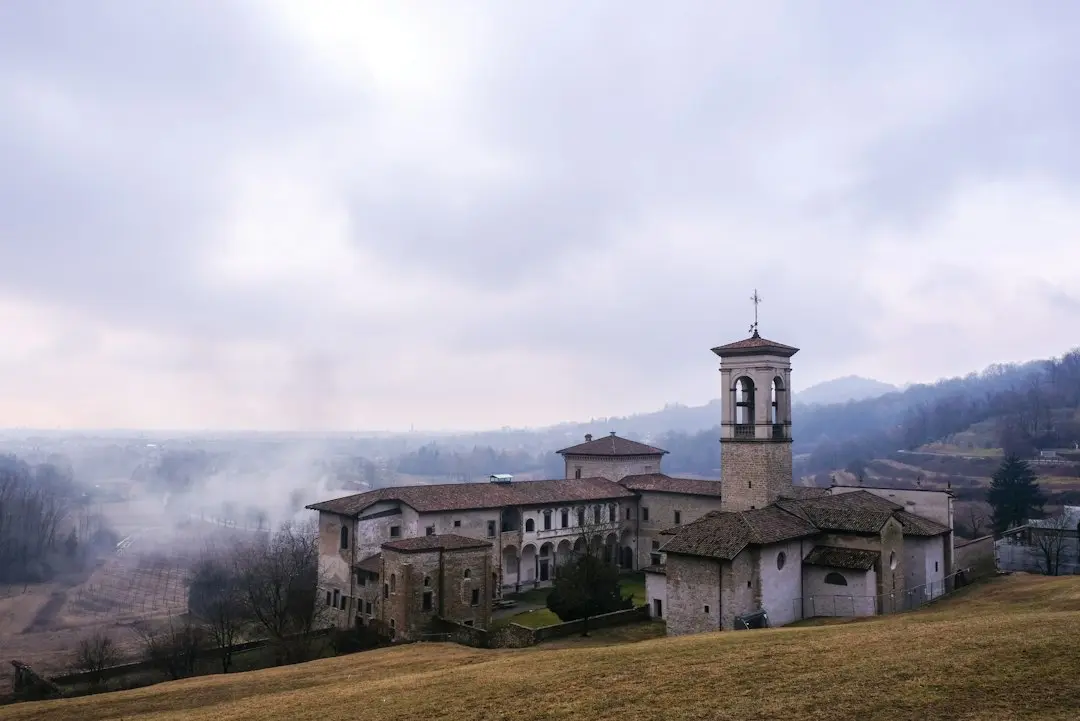
Rather than offering clear answers, the film embraces ambiguity
Apichatpong Weerasethakul’s longtime collaborator makes a compelling case for himself in his fiction debut with ‘9 Temples to Heaven’, a Thai spiritual road movie that veers into surreal territory. The film follows a monk’s journey across rural landscapes as he seeks enlightenment through visits to nine sacred temples. Blending quiet observation with dreamlike interludes, it explores faith, solitude, and the quiet magic of everyday devotion. The director uses long takes and natural sound to immerse viewers in the rhythm of pilgrimage, where moments of stillness are interrupted by sudden, unexplained visions. These surreal detours — a floating robe, a whispering statue — challenge the protagonist’s understanding of ritual and belief.
Culture picks
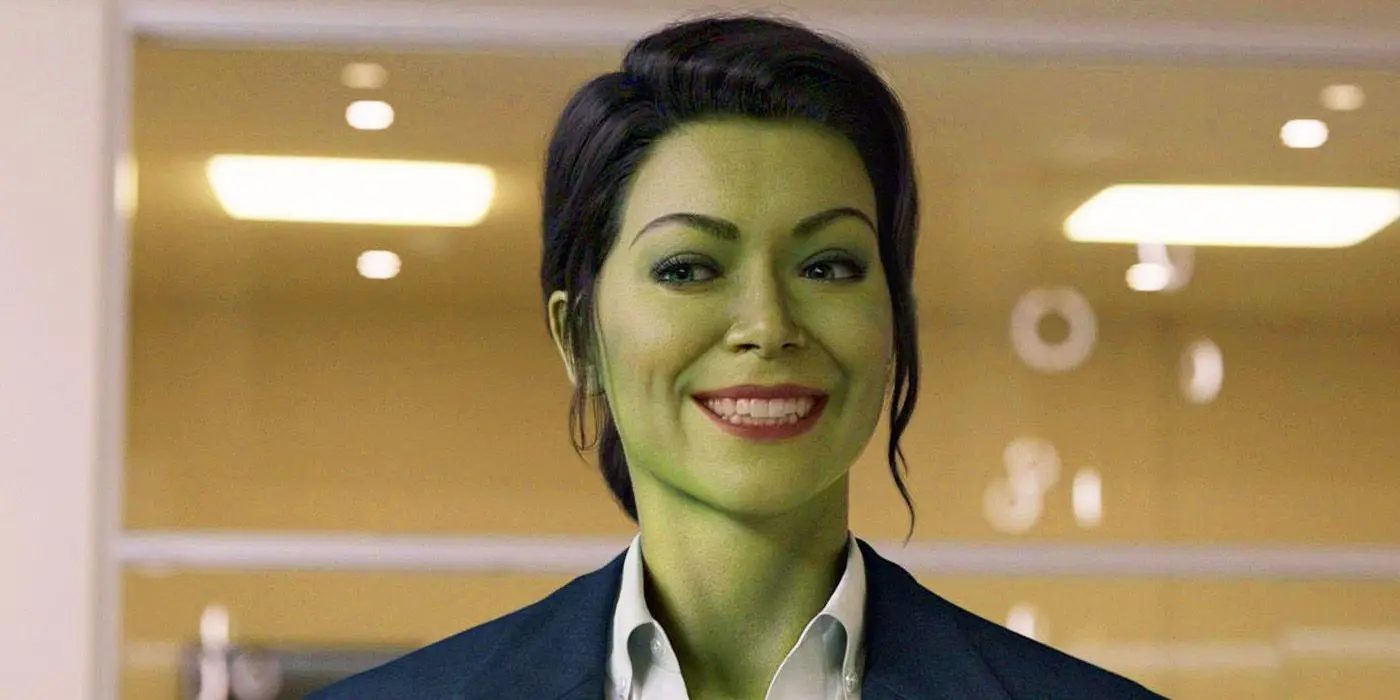 Marvel Announces She‑Hulk Return to Television After Four Years
 Street Fighter Launches New Era at New York Comic Con
 Matthew Lillard Opens Up About His Love-Hate Relationship With Scooby-Doo Films
 Other Mommy Review: Jessica Chastain's Doppelgänger Horror Falters Across the Board
Rather than offering clear answers, the film embraces ambiguity, inviting audiences to reflect on their own spiritual paths. How Does the Film Balance Reality and Vision? Weerasethakul’s collaborator avoids explaining the supernatural elements, treating them as organic extensions of the monk’s inner state. The cinematography lingers on weathered temple walls and empty roads, suggesting that holiness resides not in grand gestures but in persistent, humble movement. Sound design plays a key role, with distant chants and wind creating a meditative backdrop that blurs the line between the real and the imagined. What Does This Say About Modern Spirituality? By rejecting didactic storytelling, the film suggests that enlightenment is not a destination but a series of fleeting, personal encounters. The protagonist’s journey mirrors contemporary searches for meaning outside institutional religion, where intuition and experience outweigh doctrine.
Its quiet power lies in showing how spirituality can emerge in solitude, yet remain deeply connected to place and tradition. Frequently Asked Questions Is the film based on a true story? No, it is a fictional narrative inspired by real pilgrimage practices in Thailand and Buddhist traditions of temple circuits. Does the film require prior knowledge of Buddhism? Not necessarily; its themes of journey and inner reflection are accessible, though familiarity with Thai culture enhances appreciation of certain details. Will there be more films from this director? Yes, the filmmaker has expressed interest in continuing to explore spiritual themes through personal, observational storytelling.