Burton has cited the scene as a deliberate attempt to inject authentic fear
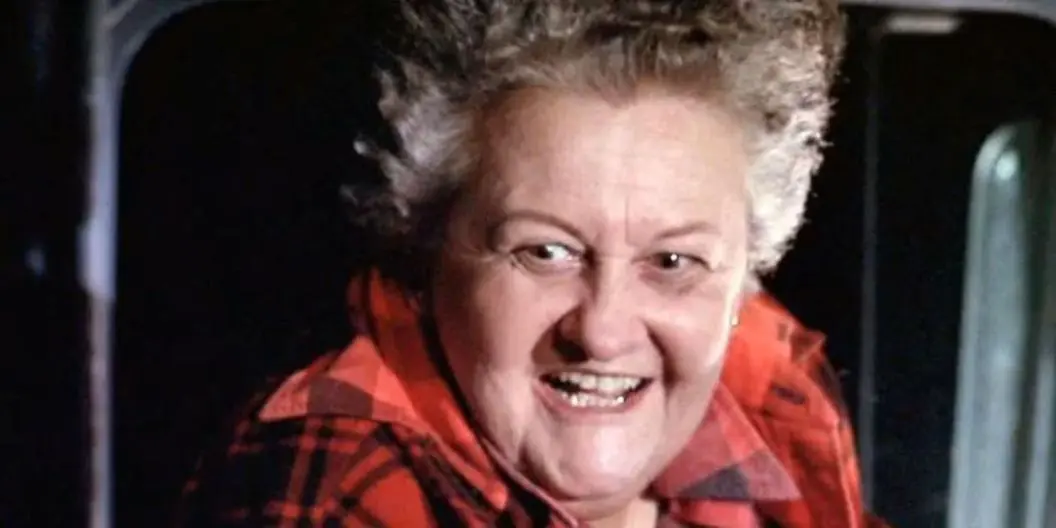
Tim Burton’s debut feature, Pee-wee’s Big Adventure, released in 1985, continues to unsettle audiences with one unforgettable moment: the encounter with Large Marge. More than four decades after its release, the claymation truck driver’s sudden transformation remains a benchmark in practical effects horror, showcasing Burton’s early mastery of blending whimsy with genuine dread. The scene, though brief, exemplifies the director’s signature style that would later define his career. The Large Marge sequence occurs when Pee-wee Herman accepts a ride from a seemingly kind trucker who, after sharing a cryptic warning about the dangers of the road, undergoes a grotesque, stop-motion metamorphosis into a bulging-eyed, screaming apparition. This moment, achieved through meticulous claymation work by Barry Bruce and Joel Hodgson, stands out not just for its shock value but for how it subverts expectations within an otherwise comedic road movie.
Culture picks
 Bad Bunny Secures First Emmy Award for Mid‑Game Performance
 The Lost Legends of the Star Wars Galaxy
 Jason Statham’s 2024 action thriller The Beekeeper now streams on Peacock
 Joel Kinnaman's New Action Film Takes Global Audiences by Storm
Burton has cited the scene as a deliberate attempt to inject authentic fear into a family-friendly narrative, a tonal tightrope walk that became a hallmark of his work. Why Practical Effects Still Haunt Viewers Today Unlike CGI-heavy modern horror, the Large Marge scene relies on physical models manipulated frame by frame, giving the transformation a tangible, unsettling realism that digital effects often lack. The jerky movements, combined with a distorted voice and sudden silence before the scream, create a primal unease that resonates across generations. Film historians note that this sequence anticipated Burton’s later collaborations with stop-motion artists in films like The Nightmare Before Christmas and Corpse Bride, where tactile artistry amplifies emotional impact.
The scene’s endurance speaks to Burton’s belief that fear is most effective
The scene’s endurance speaks to Burton’s belief that fear is most effective when rooted in something almost real. How Does a Claymation Truck Driver Define a Director’s Legacy? Despite being embedded in a comedy starring Paul Reubens, the Large Marge moment is frequently cited in retrospectives as the first clear expression of Burton’s gothic sensibility. It introduced recurring motifs in his work: the thin line between innocence and horror, the power of practical effects to evoke emotion, and the idea that monsters can emerge from the most ordinary places. Critics argue that without this early experiment in balancing tone, Burton’s later films—Beetlejuice, Edward Scissorhands, Sweeney Todd—might not have achieved their distinctive blend of charm and unease.
The scene remains a touchstone for filmmakers studying how to scare audiences without relying on gore or jump scares. Frequently Asked Questions What makes the Large Marge scene different from other horror moments in 1980s cinema? Its use of claymation within a PG-rated comedy created a unique contrast, making the horror feel more unexpected and psychologically disruptive than typical slasher or monster fare of the era. Did Tim Burton use similar techniques in his later films? Yes, Burton continued to favor practical effects and stop-motion in projects like Mars Attacks! and Frankenweenie, often collaborating with the same artists who worked on Pee-wee’s Big Adventure. Why does the scene still frighten viewers today? The combination of analog imperfection, sudden audio-visual distortion, and the violation of a safe, comedic context triggers a deep-seated discomfort that transcends changing special effects standards.