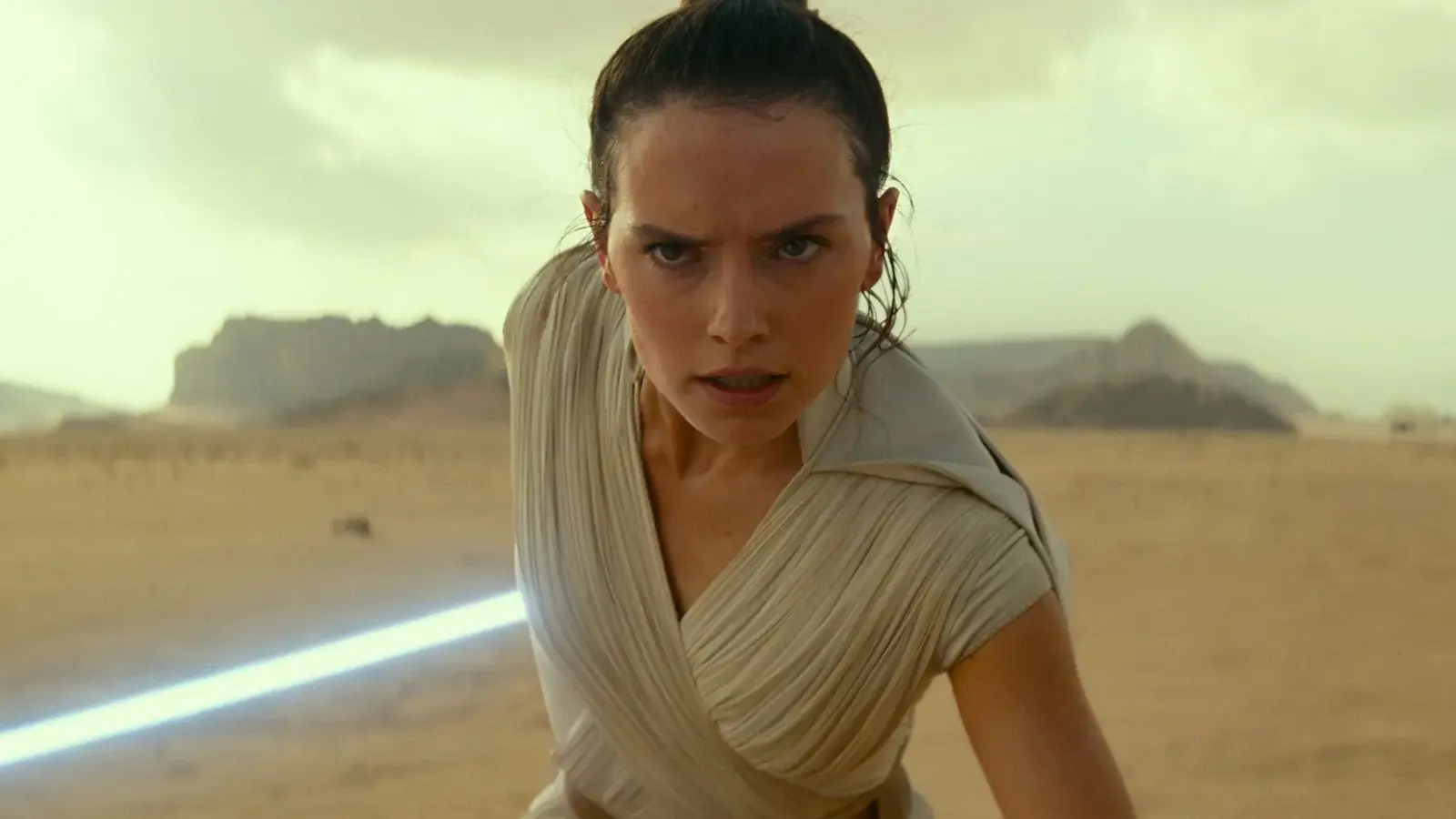
Her statement reflects a new understanding of the Force: one that is inclusive
Rey Skywalker stands in a desert landscape, lightsaber ignited, her expression fierce and focused. This image, captured in a pivotal moment from the Star Wars sequel trilogy, has become iconic among fans. The scene reflects her journey from scavenger to Jedi, embodying the legacy of the Skywalker name. Published in September 2026, the analysis revisits one of her most memorable quotes to understand her role as Luke Skywalker’s true heir. The quote in question—„I am all the Jedi”—resonates deeply because it signifies Rey’s acceptance of the Jedi legacy not as a bloodline inheritance, but as a responsibility earned through choice and action. Unlike Luke, who initially struggled with the weight of expectation and the failures of the past, Rey embraces the Jedi path with clarity and purpose.
Culture picks
 8 Comics and Webtoons Perfect for Dungeon Crawler Carl Fans
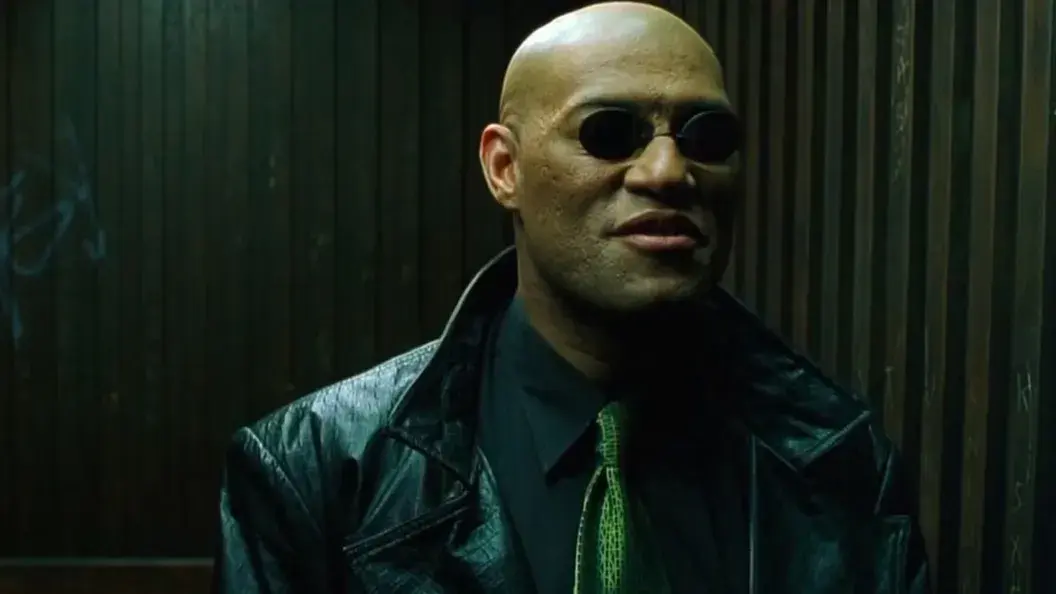 Laurence Fishburne: The Underrated Superhero Icon
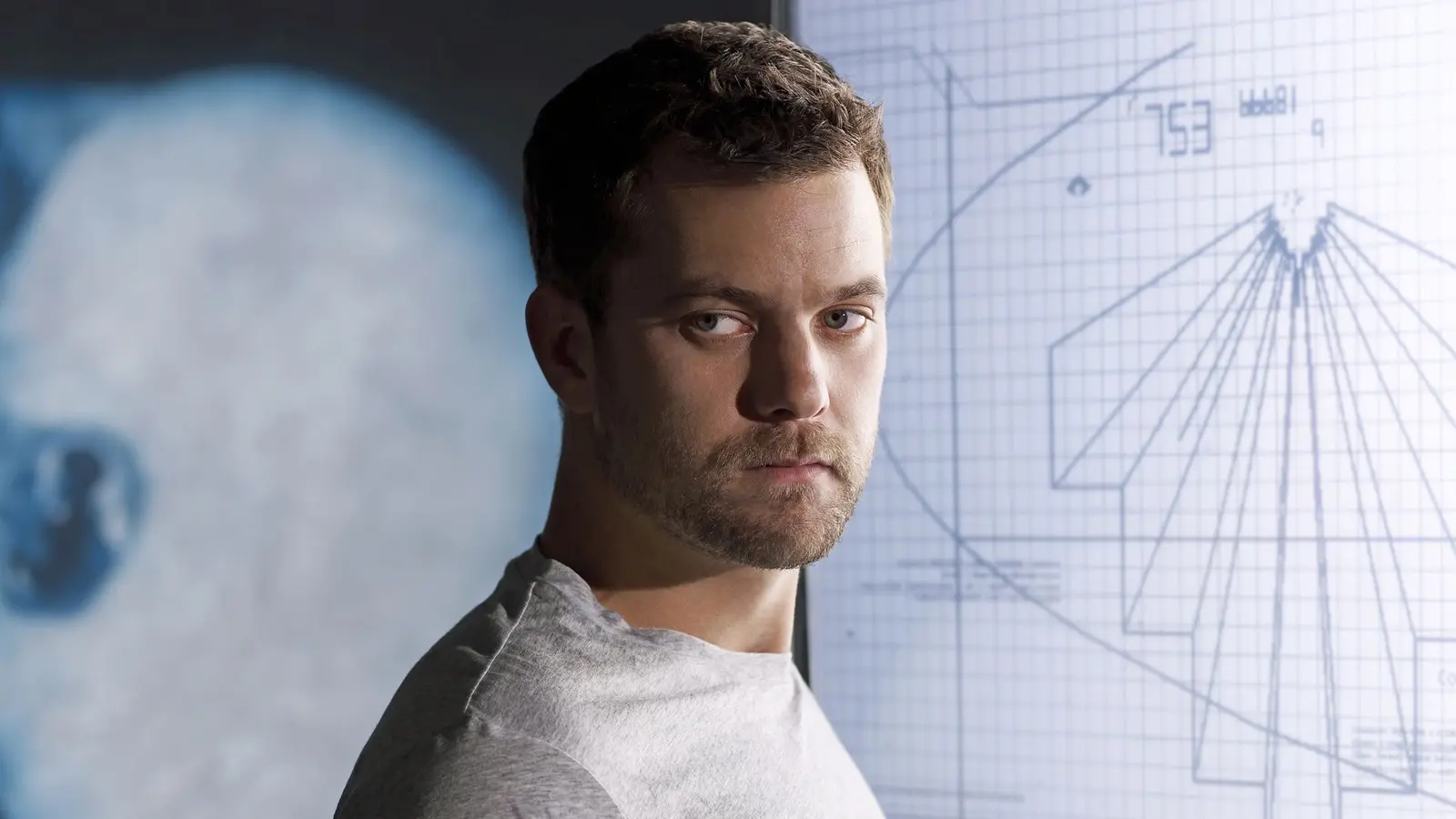 Joshua Jackson's Dawson's Creek Legacy
 Edgar Wright's departure from Ant-Man reshaped the film's direction and tone
Her statement reflects a new understanding of the Force: one that is inclusive, adaptive, and rooted in personal conviction rather than dogma. How Rey Redefines the Jedi Legacy for a New Era Rey’s journey differs from Luke’s in key ways. Where Luke sought guidance from Obi-Wan and Yoda, Rey pieced together her understanding from ancient texts, visions, and her own instincts. She did not inherit a lightsaber from a master; she built her own, symbolizing her autonomy. Her connection to the Force is not defined by lineage but by her willingness to confront darkness—both external and internal. This approach allows her to honor the past without being bound by its mistakes. What Does It Mean to Be the Last Jedi? The phrase „I am all the Jedi” has sparked debate among fans and scholars alike.
Some interpret it as a claim of supremacy, while others see it as a declaration
Some interpret it as a claim of supremacy, while others see it as a declaration of continuity. Rey does not position herself as a replacement for Luke, but as an evolution of what a Jedi can be. She carries the knowledge of those who came before, yet she is not limited by their failures. Her strength lies in her ability to forgive, to question, and to choose compassion over vengeance—a lesson Luke learned only after years of exile. Her actions in the final confrontation with Emperor Palpatine demonstrate this philosophy. Rather than strike him down in anger, she resists the temptation to embrace the dark side, even as he tries to goad her. Instead, she redirects his own lightning, turning his power against him—a move that requires not just skill, but profound inner balance.
Frequently Asked Questions Why is Rey considered a better successor than Luke by some fans?
Many fans view Rey as a more effective successor because she achieves what Luke struggled with: breaking the cycle of fear and failure that plagued the Jedi Order. She does not repeat the mistakes of the past but learns from them, forging a new path that emphasizes resilience and emotional intelligence. Does Rey’s claim to be „all the Jedi” contradict Star Wars lore? Not necessarily. While the Jedi were traditionally an order, Rey’s statement reflects a spiritual continuity rather than an institutional one. She embodies the ideals of the Jedi—peace, knowledge, and selflessness—making her a living testament to their enduring legacy, even if the Order as an institution has fallen. What does Rey’s story suggest about the future of the Force?
Her journey implies that the Force is not tied to bloodlines or ancient traditions alone, but is accessible to anyone who seeks it with sincerity.
This opens the door for a more diverse and inclusive understanding of what it means to be Force-sensitive, suggesting that the future of the Jedi may lie not in revival, but in reinvention.