
A Cynical Tactic or Valid Critique?
Veteran actress Jane Fonda has publicly defended actor Mark Ruffalo following recent accusations of antisemitism. These claims arose after Ruffalo criticized the proposed merger between Paramount and Warner Bros. Discovery. Fonda, who co-founded the Committee for the First Amendment, released a formal statement on Tuesday. She rejected the narrative that Ruffalo’s comments reflected bias against Jewish people. The actress described the accusations as a strategic move by corporate executives. Her intervention highlights the growing tension between Hollywood figures and major studio leadership. This dispute centers on the influence of media consolidation in the entertainment industry.
Culture picks
 Marvel Studios Announces New Series Set to Follow Avengers: Age of Ultron
 Want to Fight Book Bans? Here’s How to Take Meaningful Action All Year Long
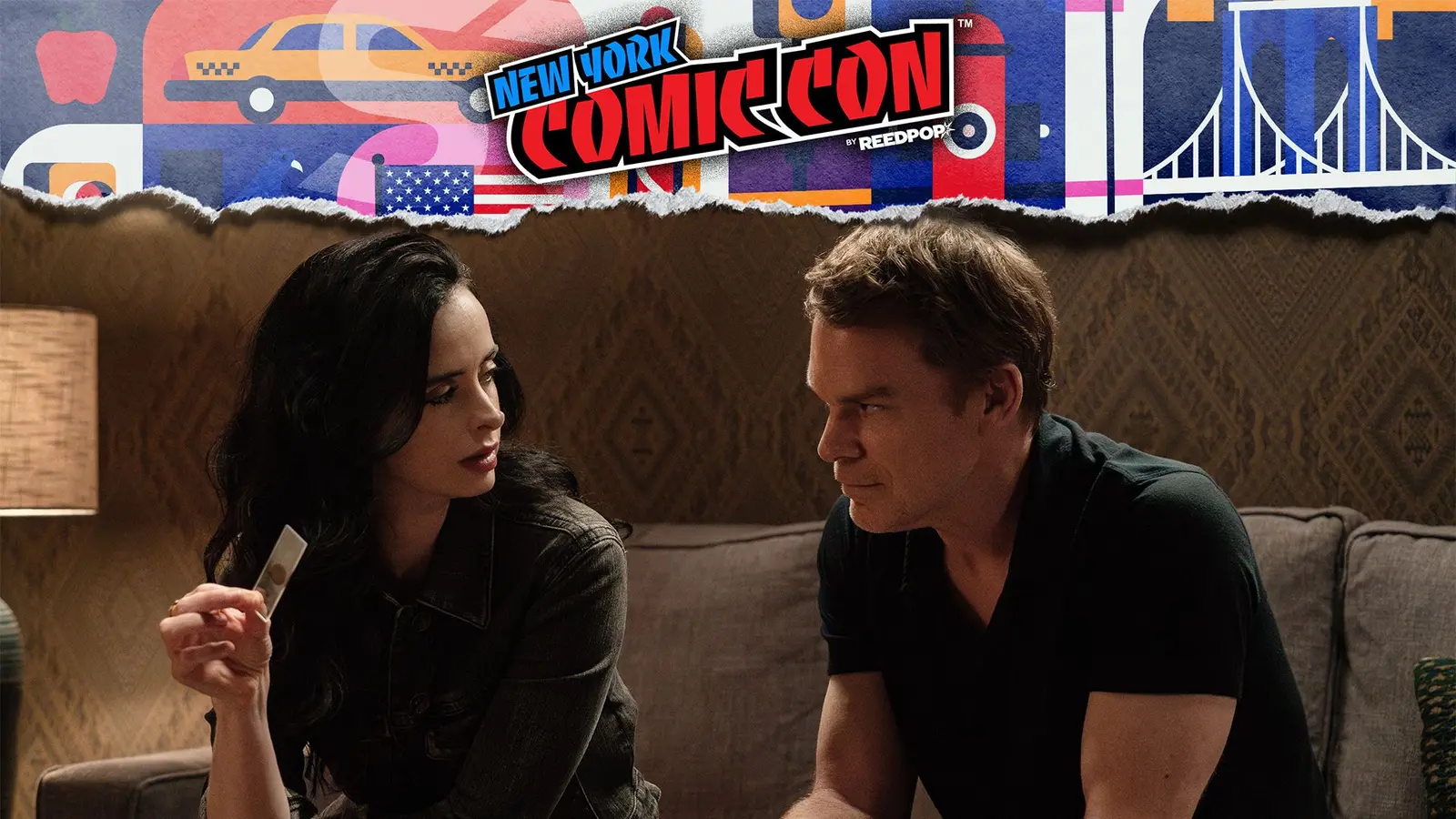 Dexter: Resurrection Season 2 Set to Return with Krysten Ritter’s Enthusiastic Support
 Nine Actors Who Brought Wednesday Addams to Life, Ranked
The controversy began when Ruffalo voiced concerns about the financial and structural implications of the Paramount-WBD deal. Critics within the industry argued that his specific language suggested an underlying prejudice. However, Fonda dismissed this interpretation as a calculated tactic. She labeled it a cynical attemptto distract from the core issues regarding the merger. By stepping into the fray, Fonda reinforced her long-standing role as a vocal advocate for artistic freedom. Her statement emphasized that questioning corporate power should not be conflated with personal bias. This defense aligns with broader movements within Hollywood seeking transparency in executive decisions.
What Does This Mean for Studio Mergers?
Fonda’s statement did not merely support Ruffalo; it challenged the methodology used to frame the debate. She argued that labeling a critic as antisemitic serves to silence dissenting voices. This approach, she suggested, allows companies to protect their interests while dismissing legitimate concerns. The Committee for the First Amendment, which Fonda helped establish, focuses on protecting speech rights in public discourse. Through this lens, the accusation becomes a tool for suppression rather than a genuine cultural critique. Ruffalo’s initial comments focused on the potential impact of the merger on creative control. He worried that combining two massive entities would reduce diversity in storytelling. Fonda’s defense validates these worries, suggesting they stem from professional observation rather than religious or ethnic bias.
The clash between prominent actors and studio executives signals a shift in how industry deals are perceived. When high-profile talent challenges a merger, the resulting backlash can complicate negotiations. Fonda’s involvement adds weight to the argument that the accusations were defensive. It suggests that leadership at Paramount may have felt threatened by the volume of public criticism. This incident underscores the difficulty of merging large media companies without facing public scrutiny. Stakeholders now look closely at how these unions will handle future controversies. The outcome could set a precedent for how talent interacts with corporate strategy in the coming years.
Why did Jane Fonda defend Mark Ruffalo? Fonda defended Ruffalo because she believed the accusations of antisemitism were unfair. She viewed the claims as a way to undermine his valid criticism of the Paramount-WBD merger.
Frequently Asked Questions
What organization issued the statement? The statement came from the Committee for the First Amendment. Fonda is a founder of this group, which advocates for free speech and expression.
What was the main point of contention? The dispute centered on whether Ruffalo’s comments about the merger implied antisemitic bias. Fonda argued that the criticism was about corporate structure, not personal prejudice.