The Mechanics of a Viral Hit
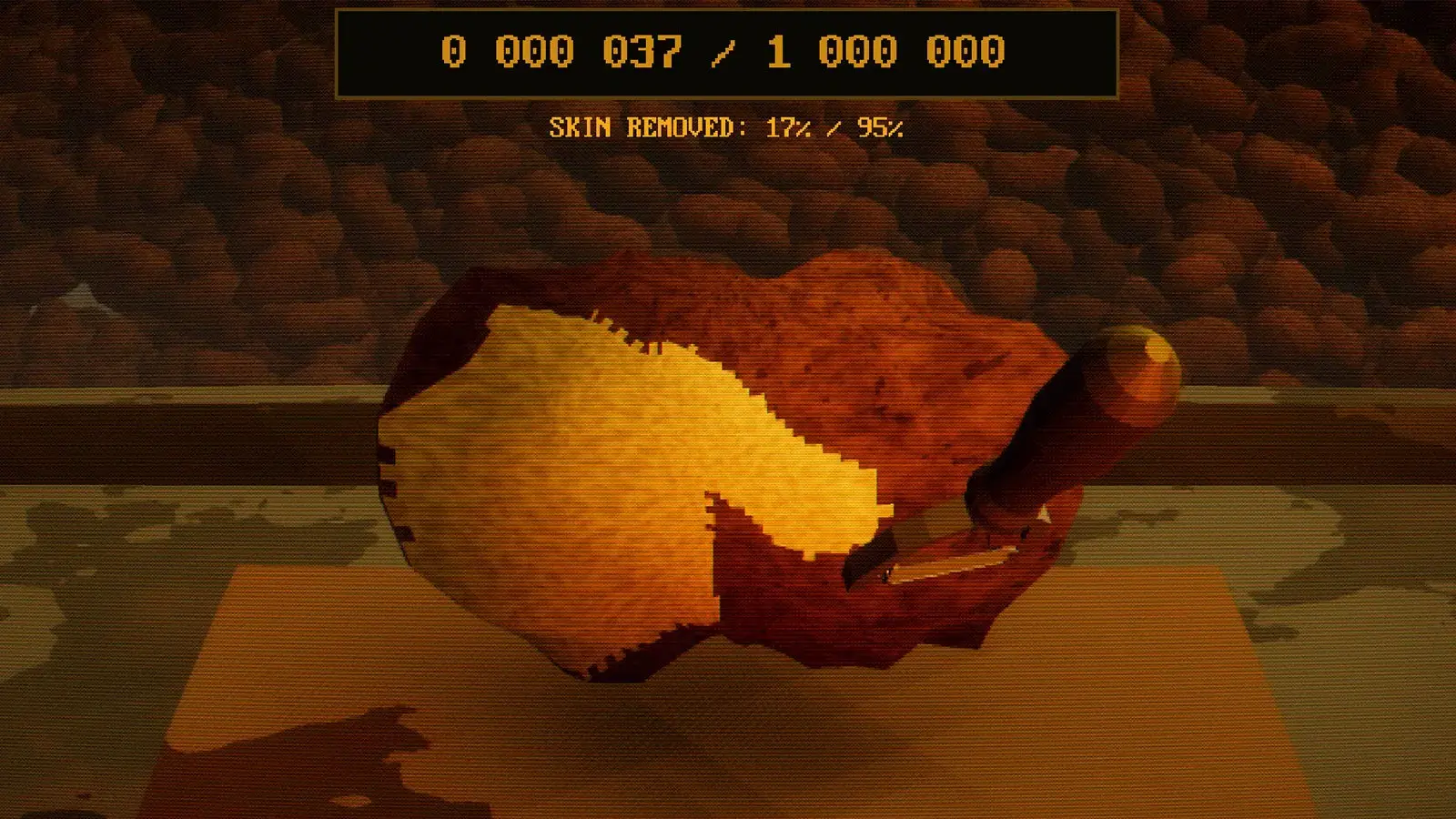
Independent game creator Rado Klasa has publicly accused a fellow developer of leveraging artificial intelligence to replicate his hit title. The dispute centers on two first-person, physics-based games that share an almost identical premise. Players in both titles use a knife to peel potatoes in a satisfying, tactile manner. Klasa argues that the new release, titled Potato Please, is not merely inspired by his work but is a direct copy created with the help of generative AI tools. This controversy has sparked heated debate within the indie gaming community about the role of machine learning in game development.
Culture picks
 8 Comics and Webtoons Perfect for Dungeon Crawler Carl Fans
 Laurence Fishburne: The Underrated Superhero Icon
 Joshua Jackson's Dawson's Creek Legacy
 Edgar Wright's departure from Ant-Man reshaped the film's direction and tone
The original game, 1,000,000 Potatoes, gained massive popularity for its simple yet addictive loop. The core mechanic involves precise knife movements to strip skin from potatoes without cutting into the flesh. This physics-driven interaction creates a sense of accomplishment that resonates with many players. Klasa notes that the competing title mirrors this specific gameplay loop almost perfectly. The visual style, user interface elements, and even the sound effects appear remarkably similar to the original. Critics point out that while inspiration is common in gaming, the level of detail shared between these two projects raises significant questions about originality. Klasa claims that the rival studio used AI to analyze and recreate the essential feel of his game, effectively stripping away the unique identity he spent months refining.
Is AI Copying or Creating?
The use of AI in this specific case highlights a growing tension in the industry. Developers often use AI for asset generation, code optimization, or procedural content creation. However, using it to mimic the feelof an existing successful title crosses a line for many creators. Klasa suggests that the competitor did not just borrow ideas but utilized AI to reverse-engineer the physical interactions. This approach allows for rapid prototyping that closely matches established standards. The community is divided on whether this constitutes theft or efficient iteration. Some argue that if the mechanics are functional, the method does not matter. Others believe that the soul of an indie game lies in its human-crafted imperfections and unique design choices.
What is the core gameplay of the disputed titles? Both games feature a first-person perspective where players use a knife to peel potatoes. The physics engine determines how the skin separates from the potato body. Success depends on maintaining the right angle and pressure during the slicing motion.
Frequently Asked Questions
Why is the AI aspect controversial in this case? Klasa argues that the rival developer used AI to replicate the specific tactile feedback of his game. This goes beyond standard asset creation and enters the realm of behavioral cloning. It suggests the new game was built by analyzing the original rather than designing from scratch.
How has the community reacted to the accusation? Reactions are mixed, with many supporting Klasa’s call for transparency. Some players are playing both games side-by-side to compare the differences. The debate continues to fuel discussions about fair practices in modern indie development.