Selecting Actors Who Live the Chaos
The latest film version of William Golding’s „Lord of the Flies” debuted at Cannes this June. Casting directors, cinematographer, and composer sat down with IndieWire to explain how their crafts gave the production a visceral edge. The team emphasized collaboration, authenticity, and a fresh visual language that honors the novel’s darkness.
Culture picks
 Top 10 Biggest Video Game Announcements from SGF 2026
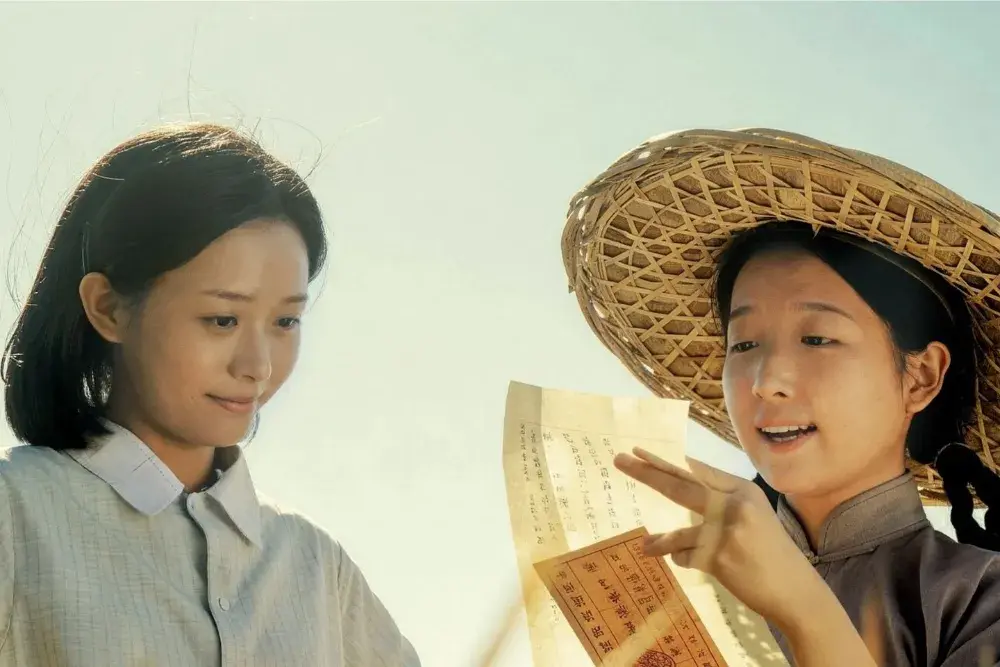 Family Drama “Dear You” Holds Box Office Crown as New Sci‑Fi “Masters of the Universe” Arrives
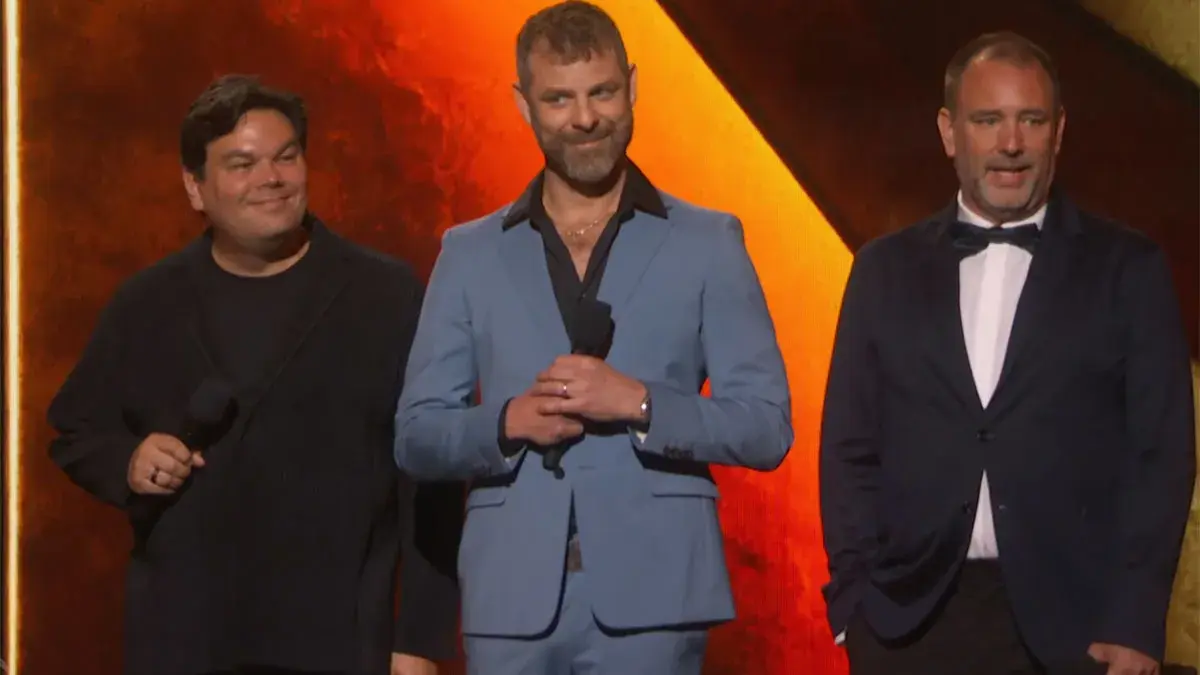 The Book of Mormon Original Cast Reunites at Tonys 2026
 Scott Rudin Wins Tony for Best Revival After Leaving Industry Amid Abuse Allegations
The adaptation was shot on a remote island in the South Pacific, where the crew faced unpredictable weather and limited infrastructure. Casting directors sought actors who could embody the primal instincts of stranded boys without relying on star power. Cinematographer J. Redza chose natural light and handheld lenses to capture the raw tension. Composer Maya Lin blended tribal percussion with dissonant strings to underscore the descent into chaos. Together, these choices aimed to immerse audiences in the characters’ fear and power struggles.
How Does the Visual Style Amplify the Narrative?
Casting directors explained that auditions focused on improvisation rather than scripted scenes. „We asked each actor to react to a sudden storm and watch how their bodies responded,” one director said. This method revealed which performers could convey fear, aggression, and fragile alliances. The final cast includes several newcomers whose raw energy matches the story’s intensity. Directors also prioritized diversity, ensuring the island’s micro‑society reflected a broader human spectrum.
Redza described his approach as „a study in shadows and texture.” He employed natural sunrise and sunset hues to mirror the boys’ shifting moral compass. Handheld cameras followed the group’s movements, creating an intimate, almost claustrophobic feel. In scenes of conflict, the lens often lingered on torn foliage, symbolizing the fragile veneer of civilization. This visual strategy, Redza noted, „forces viewers to experience the island as both sanctuary and prison.”
What Role Does the Score Play in Shaping Tension?
Composer Maya Lin crafted a score that evolves with the story’s descent. Early cues feature soft woodwinds, evoking the island’s untouched beauty. As the narrative darkens, percussive drums emerge, echoing tribal rituals and the boys’ growing savagery. Lin said the music „doesn’t just accompany the action; it becomes a character itself, whispering danger.” The score’s dissonant climax aligns with the iconic scene of the pig’s head, intensifying the horror.
The collaborative effort promises a film that feels both familiar and unsettlingly new. By aligning casting, cinematography, and music, the creators hope to attract both literary scholars and mainstream audiences. If the Cannes response holds, the film could spark renewed interest in classic adaptations that prioritize sensory immersion over glossy production.
How were the actors prepared for the intense environment? Before shooting, the cast underwent a two‑week immersion program that included survival workshops and group dynamics exercises to build authentic chemistry.
Frequently Asked Questions
Did the production face any logistical challenges on the island? Yes, unpredictable tides and limited power forced the crew to rely on portable generators and flexible shooting schedules, which ultimately enhanced the film’s gritty aesthetic.
Will the film stay true to Golding’s original themes? The director confirmed that while visual and auditory elements are heightened, the core themes of civilization versus savagery and moral ambiguity remain intact.